Category: Photography & Visual Style

Photo booth aesthetics, posing, lighting looks, film and vintage styles, and the visual trends shaping how guests appear in booth photos.

  • The “Anti-Bride” Aesthetic: Why Perfect Photos Are Out and “Blurry” Is In

    The “Anti-Bride” Aesthetic: Why Perfect Photos Are Out and “Blurry” Is In

    The era of hyper-curated, flawlessly filtered, and stiffly posed event photography is officially over. Driven primarily by Gen Z, a new cultural movement is challenging the very definition of a “perfect picture,” especially in the high-stakes world of weddings and celebrations. This shift isn’t just about a preference for film grain or a different color palette; it’s a fundamental rebellion against the commodification of memory. It’s the arrival of the “Anti-Bride” aesthetic, where the most cherished images are the ones that capture genuine, raw, unscripted energy…even if they are a little (or a lot) blurry. This is the modern remix of tradition, declaring that a photo’s authenticity outweighs its technical perfection every single time.

    For decades, the standard for wedding and event photography was sharpness, light, and symmetry. Photographers chased the “golden hour,” meticulously straightened dresses, and demanded guests stand still for pristine, high-resolution masterpieces. The resulting images were beautiful, yes, but often sterile…a polished, airbrushed rendition of a memory that felt more like an advertisement than a lived experience. This pursuit of the impossible, flawless moment has exhausted a generation that is acutely aware of the performance inherent in social media perfection. They are done with the illusion.

    The Anti-Bride aesthetic rejects this pressure to perform. It embraces the candid, the accidental, the messy truth of a celebration. Instead of flawless, they crave feeling. Instead of still, they demand action. This cultural craving has crystallized into the definitive photographic trend of the moment: “Blurred-Action” photography.

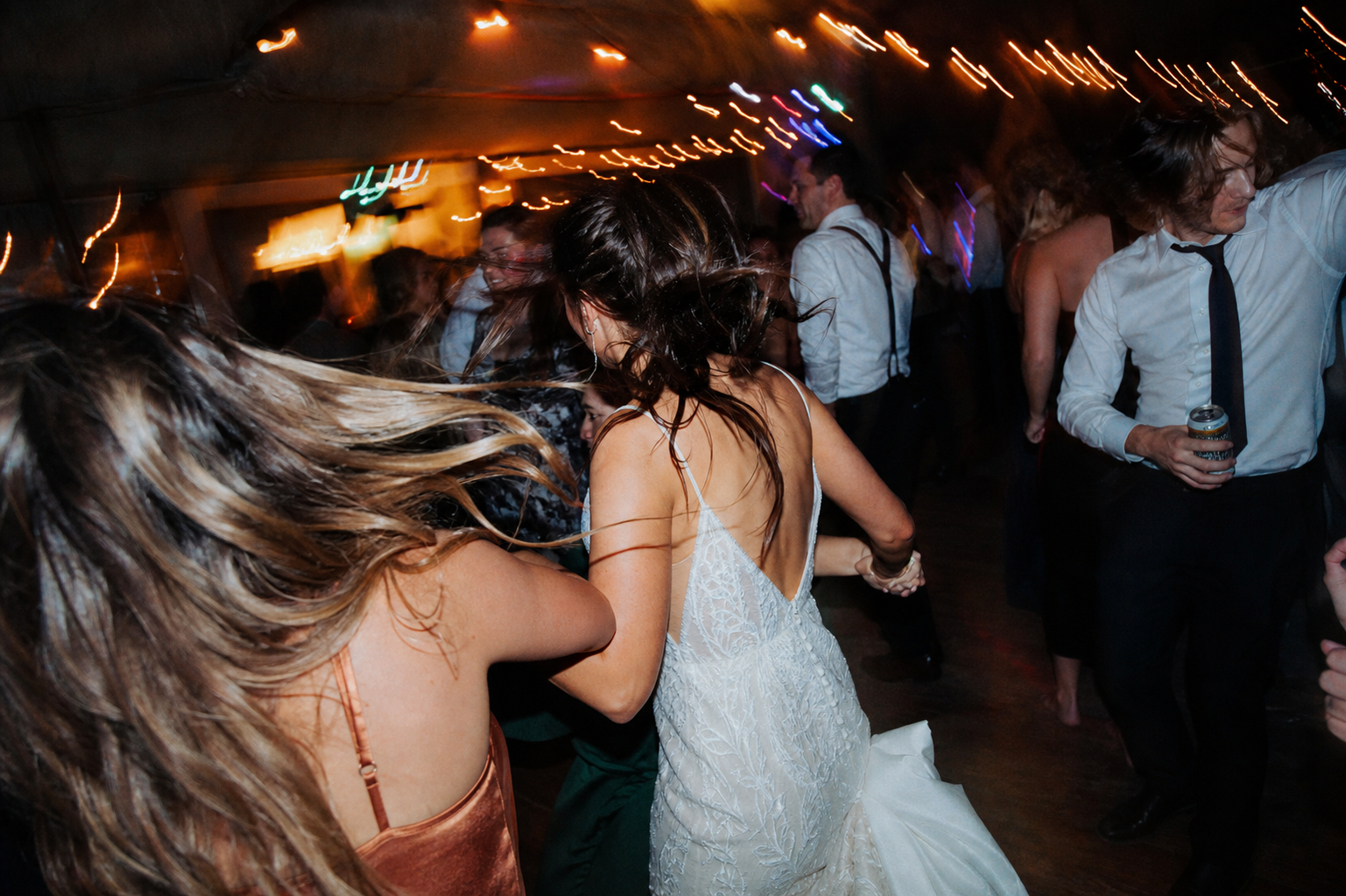
    What exactly is Blurred-Action photography? It’s the visual equivalent of a memory rush…that feeling of high-energy chaos, a spin on the dance floor, a genuine burst of laughter, or a quick movement across the room. Technically, it is the deliberate use of motion blur to convey speed and dynamism, making the image feel alive rather than frozen. In a Blurred-Action photo, the subject might be soft, the lights might streak, and the background might be a smear of color, but the story of the moment is crystal clear. It communicates: “This was fun. This was fast. This was real.”

    This style intentionally evokes the look of old, inexpensive point-and-shoot film cameras or the late-night flash photos from the early 2000s…the kind of spontaneous, high-contrast, often imperfect snapshots that were taken without any thought of social media approval. It’s raw, it’s rebellious, and it’s a direct counterpoint to the meticulously posed, sun-drenched shots that have clogged Instagram feeds for the last decade. The Anti-Bride and the celebration host who embraces this look wants their guests to move, dance, and celebrate freely, knowing that the camera’s job is not to stop the action, but to harness it.

    The key to mastering this dynamic look is realizing that your standard camera app is actively working against you. Modern smartphone cameras, including the iPhone’s native app, are programmed for one thing: to eliminate blur, automatically increasing shutter speed and smoothing movement to deliver a perfectly sharp image. To capture true Blurred-Action, you need to wrest back control and instruct the camera to slow down, allowing light and movement to streak across the sensor. This is where dedicated, professional-grade camera applications like ZillaBooth become essential. ZillaBooth is designed for creators who want to prioritize energy and atmosphere over mere technical accuracy. It gives the photographer the ability to “weaponize” motion.

    Here is how any user, from a seasoned photographer to a junior writer documenting an event, can utilize ZillaBooth’s features to capture movement and energy that is impossible to achieve with a standard camera app, perfectly embodying the spirit of the Anti-Bride aesthetic:1. The Essential Setting: Manual Shutter Speed ControlThe foundation of the Blurred-Action aesthetic is a slow shutter speed. Shutter speed determines how long the camera’s sensor is exposed to light. A fast shutter (e.g., 1/1000th of a second) freezes action; a slow shutter (e.g., 1/15th of a second) captures movement as a blur. ZillaBooth Pro unlocks this critical setting, which the native phone app locks down. – The Technique: Navigate to ZillaBooth’s manual controls and locate the Shutter Speed (often labeled as an ‘S’ or a time value). For moderate blur that still hints at the subject, try a shutter speed between 1/30 and 1/15 of a second. This range is excellent for capturing a fast spin on the dance floor or a subject walking quickly. For more dramatic, abstract blur, such as lights streaking into lines or a completely smeared background, experiment with speeds as slow as 1/8 or 1/4 of a second.
    – The Intent: By forcing the shutter open longer, you are literally telling the camera to record the duration of the action, not just a single instant. The goal is to see the subject’s path of motion within the frame.2. Focus on Panning: The Sharp-Blur ContrastTo create an image that feels incredibly dynamic but still has a clear point of focus, employ the panning technique…a classic photography trick made easier by ZillaBooth’s manual focus lock. Panning involves moving the camera with the subject while the shutter is open. – The Technique: Set a moderately slow shutter speed (1/30 to 1/60 is a good starting point). As your subject (a person walking, a dancer) moves past you, lock your focus on them using ZillaBooth’s manual focus lock feature. Then, move your phone to follow them smoothly as you press the shutter.
    – The Intent: The subject, because the camera is tracking their movement, will appear relatively sharp, but the background will be rendered as spectacular, horizontal streaks of color and light. This contrast creates an incredible sense of speed and forward momentum, isolating the energy of the subject against a blurred backdrop of the event.3. The Flash-Blur Combination (For Maximum Drama)Many photographers forget that the flash can also be used with a slow shutter speed, and this combination is a potent tool for the Blurred-Action aesthetic, especially in dimly lit venues. – The Technique: Set ZillaBooth to a slow shutter speed (e.g., 1/15) and manually force the flash ‘On’ (which ZillaBooth allows). When you take the photo, the flash will freeze the subject for an instant (creating a sharp ghost image) while the rest of the 1/15-second exposure records the subject’s movement after the flash fires.
    – The Intent: This technique, often called ‘rear-curtain sync’ in professional cameras, results in an image where the subject is distinct but the trails of movement follow behind them, suggesting they are moving out of the blurred energy, or captured mid-spin. This produces a dramatic, slightly surreal, and highly energetic party photo.4. Movement Priority Poses: Shoot the Transition, Not the StillThe Anti-Bride look is fundamentally about capturing movement over stiff poses. As a photographer or event documenter, your role is to encourage and anticipate this movement, not stop it. – The Subject: Tell people to do an action: spin, jump, hug, cheer, or walk down a flight of stairs quickly. Never ask them to stand still.
    – The Technique: With a slow shutter (1/30), deliberately take the photo as the action is happening…not before or after. Shoot the half-step, the mid-air jump, the moment the head is thrown back in laughter. This is when the camera’s slow shutter will maximize the motion blur, capturing the true physical expression of the energy. A photo of a couple walking towards the camera at 1/15 of a second will result in soft, smeared faces and streaking foregrounds…capturing the feeling of a grand, sweeping entrance better than any perfectly sharp shot ever could.5. Embrace the Grain and Edit for VibeOnce the image is captured with ZillaBooth’s manual controls, the final step is to emphasize the raw, analogue-like feel. – The Technique: ZillaBooth and many post-processing apps allow for the addition of film grain or noise. Don’t smooth the image; add intentional noise to give the high-energy, digitized film look of the late 90s.
    – The Intent: The final image should look like an artifact…a treasured snapshot that couldn’t possibly be a highly-edited, commercial photograph. The grain enhances the raw, unpolished honesty that the Anti-Bride aesthetic champions.The shift toward Blurred-Action photography is more than just a passing style; it’s a cultural declaration. It’s a rebellion against the pressure to be perfect and a celebration of authentic, unrepeatable moments of joy. Gen Z isn’t throwing out tradition; they are remixing it, insisting that a wedding or major celebration should be documented as it feels…fast, fun, and a little chaotic…rather than how a magazine or social media feed dictates it should look.

    By using ZillaBooth to take back the power of manual shutter control, any user can move past the limitations of the default camera app. You’re not just creating a blurry photo; you’re creating a story. You are moving from documenting a pose to capturing a movement, from recording a smile to immortalizing a moment of pure, unadulterated energy. Step away from the stifling perfection and embrace the beautiful, dynamic, and wonderfully imperfect chaos of the Anti-Bride’s real-life celebration. Use the blur to make your memories feel more real.

  • The “Vintage” Filter: Why We Hate It (And Why We Love Raw)

    The “Vintage” Filter: Why We Hate It (And Why We Love Raw)

    The modern aesthetic revolution is defined by one fundamental truth: we are filter-fatigued. The heavy-handed “vintage” filters of the early 2010s…sepia washes, aggressive vignetting, and manufactured scratches…have been soundly rejected, especially by Gen Z, who crave authenticity. They don’t want a digital representation of the past; they want the true characteristics of film photography. This distinction is everything. A filter adds a layer of artifice; true film characteristics are a function of light, chemistry, and optics. They are imperfections that tell a real story.

    To replicate the coveted film look naturally in your ZillaBooth shots, you must stop thinking in terms of post-production layers and start thinking like a film photographer managing a constrained, chemical medium. The key is in manipulating light and contrast before you press the shutter.1. Embrace Imperfect Lighting and Underexposure:
    Film has a much more limited dynamic range than a modern digital sensor. When shooting, a film photographer had to choose what to sacrifice: highlights or shadows. The result is often a ‘moody’ look with deep, crushed blacks and perhaps slightly blown-out highlights. To mimic this: – Low-Key Setup: In ZillaBooth, intentionally use lighting that is slightly too dim for the scene, forcing the digital sensor to struggle and creating dramatic, inky shadows.
    Manual Exposure Adjustment: Manually underexpose the shot by about -0.5 to -1 stop. This prevents the sensor from automatically lifting the shadows, which is what gives digital images their “clean” but often sterile look. By underexposing, you create a rich, heavy tonal range reminiscent of properly printed film that wasn’t trying to be perfectly balanced.2. The Warmth of Aged Emulsion:
    Many people associate “vintage” with a warm, slightly reddish tint. This is not a sepia filter; it’s the natural result of certain film stocks, print paper, or chemical shifts over time. – Manual White Balance: Ignore the auto white balance. Manually shift your ZillaBooth white balance to a warmer Kelvin temperature (e.g., 5500K-6000K for a daylight-balanced shoot that wants a subtle, warm shift). This will naturally bathe the entire scene in a soft, golden cast that is far more nuanced and integrated than any overlaid filter. The subtle color shift feels organic and interacts realistically with the existing light sources in the shot.3. Soft Diffusion and Lens Glow:
    The lenses on old, inexpensive film cameras often weren’t perfectly sharp and lacked the sophisticated coatings of modern digital lenses. This resulted in a slight softness and a characteristic “glow” around bright highlights. – Simple Diffusion: For a natural glow, place a single layer of a very sheer material (like a thin stocking or a piece of plastic wrap) carefully over your ZillaBooth lens. This acts as an organic light diffuser, slightly softening the focus and creating a beautiful, subtle ‘bloom’ around light sources. This is a practical, in-camera effect that digital filters attempt to mimic poorly.
    Avoid Over-Sharpening: Turn off any in-camera sharpening features to maintain that smooth, slightly fuzzy quality that film is known for.By focusing on these in-camera lighting, exposure, and lensing techniques within ZillaBooth, you are not applying a fake effect; you are engineering a high-quality digital image that inherently possesses the raw, imperfect, and beautiful characteristics that make true film photography timeless. It’s about light management, not filter application.

  • The 2×2 Grid: Why the Classic Layout Never Dies

    The 2×2 Grid: Why the Classic Layout Never Dies

    The human brain is wired for story. We seek structure, we crave progression, and we find satisfaction in a complete arc, no matter how small. This fundamental truth is the secret sauce behind the enduring success of the 2×2 photo grid…the layout that sits at the very heart of the ZillaBooth experience. It’s more than just a template; it’s a canvas for a four-act play, a psychological framework that transforms spontaneous laughter into a carefully constructed, unforgettable micro-narrative.

    Why does the 2×2 format feel so right, so classic, and so consistently engaging? The answer lies in its perfect balance of constraint and freedom. By restricting users to just four frames, the 2×2 grid forces a sense of deliberate, though often unconscious, storytelling. It asks you, and your friends, to engage in a rapid-fire sequence of emotional shifts that capture a dynamic moment rather than a static pose. It’s the difference between a single portrait and a complete short film.

    The Psychology of the Four-Shot Sequence

    The magic of the 2×2 is the inherent rhythm it establishes, a rhythm that guides users through a natural psychological progression of expression. The sequence is not random; it’s a journey from initial self-consciousness to uninhibited joy, a quick, safe space to shed social filters.

    Act I: The Setup (Pose 1: The Smile)
    The first frame is the moment of calibration. The red light blinks, the flash is imminent, and users typically default to their “camera-ready” face. This is the pose designed for public consumption, the one you might use for a professional headshot or a polite social media post. As suggested, Pose 1 is almost always a “Smile.” It’s the initial, slightly formal, and conscious acknowledgment of the camera. Psychologically, this pose serves as the setup. It establishes the characters (the people in the booth) and the setting (the start of the experience). It’s the baseline from which all subsequent spontaneity will be measured. It says, “We are here, and we are ready.” It is the moment where the guard is highest, and the expression is most curated.

    Act II: The Transition (Pose 2: The Idea)
    The second shot is critical. Having established the baseline, the internal pressure to “do something different” mounts, and the creative collaboration begins. This is where the first idea is tested. Perhaps it’s a quick head tilt, a funny hand gesture, or the introduction of a prop. This pose marks the transition from formality to engagement. It’s often the shot of collaboration…a glance shared, a whisper exchanged, or a synchronized movement that shows the group is beginning to loosen up and play off each other. The constraint of the timer accelerates this process; there’s no time for deliberation, only instinctive reaction. This shot is generally less polished than Pose 1 but is still somewhat intentional.

    Act III: The Peak (Pose 3: The Wacky)
    The third frame is the emotional and expressive climax of the 2×2 narrative. By this point, the initial stiffness is gone. The laughter from the silliness of Pose 2 often bleeds directly into this shot, resulting in genuine, unforced expressions. This is the point of no return…the moment when the conscious effort to “look good” is completely abandoned in favor of pure, unadulterated fun. It’s often the wackiest pose…a shout, a surprised face, an over-the-top expression of joy or mock terror. Psychologically, the rapid succession of flashes has acted like a mini-meditation, pushing the rational mind aside and allowing the subconscious, playful self to emerge. It’s a shot of catharsis, the release of pent-up inhibition that the entire booth experience is designed to facilitate.

    Act IV: The Punchline (Pose 4: The Silly)
    The final frame, the “Silly” pose, is the resolution, the punchline that completes the arc. It serves as a bookend to the formal Smile of Pose 1. The contrast between the two is the entire story. If Pose 1 was the polite introduction, Pose 4 is the ridiculous, intimate farewell. Often, this pose is a reflection of the group’s final, exhausted burst of collective humor. It might be a collective slump, a final exaggerated cross-eye, or the ultimate non-sequitur…a totally random, unexpected gesture. The transition from Pose 1 (Smile/Controlled) to Pose 4 (Silly/Uncontrolled) is the entire narrative tension and release. This shot locks in the memory of the experience as one that started well and ended with a bang of unforgettable silliness. It ensures that the final take-away is one of genuine, shared happiness.

    The Geometry of Enduring Design

    The 2×2 grid also works because of its inherent visual stability. In design, symmetry and structure are profoundly comforting. The perfect square format, with its four equal quadrants, is inherently balanced and aesthetically pleasing. * Balance: The four shots offer immediate visual symmetry, making the final strip easy to scan, share, and appreciate.
    * Containment: The grid acts as a clear frame for the mini-story, ensuring that the four disparate moments are unified as a single, coherent whole.
    * Readability: Unlike a single long strip of four vertical photos, the 2×2 provides a compact, square artifact that maximizes visual information in a small space, perfect for printing, sharing online, or tucking into a wallet.The cultural resonance of the 2×2 also plays a major part. While many modern photo booths default to long strips, the 2×2 square often evokes the vintage, passport-style photos of a bygone era. It has a slightly more “editorial” feel, like a contact sheet or a storyboard, lending an air of importance to the captured moments. It is a nod to the past, modernized for the instant sharing of the present.

    ZillaBooth’s Commitment to Narrative

    For ZillaBooth, the 2×2 grid is non-negotiable…it is the company’s core mechanical and philosophical difference. We understand that in a world saturated with digital photos, what people truly value is not just a picture, but an experience that yields a story. The 2×2 layout is the primary tool for encouraging that story. We don’t just sell technology; we facilitate the creation of those four-frame narratives.

    By building our interface and timing around this format, ZillaBooth intentionally engineers moments of genuine human connection. The rapid pace and the limited number of frames are designed to bypass the ‘perfect pose’ instinct that dominates smartphone photography. In a ZillaBooth, you don’t have time to review, delete, and retake a hundred shots. You have four chances to capture the arc of the moment, and that creative constraint is the source of the magic. It ensures that the resulting artifact is authentic, slightly chaotic, and utterly unique to the people in the frame.

    The 2×2 grid is a masterclass in behavioral design. It uses a simple, geometric structure to elicit a complex, yet predictable, emotional journey. It takes users from a self-aware “Smile” to a celebratory “Silly” pose, and in doing so, it captures the complete, beautiful spectrum of a few seconds of human interaction. This is why the classic layout never dies: it perfectly mirrors our fundamental need to tell a story and to experience a full range of emotion, all contained within the neat, perfect boundaries of four little squares. It’s an exercise in spontaneity, a document of joy, and the most compelling storytelling format we have.

  • Direct Flash is Back: How to Nail the “Paparazzi Aesthetic” with Your iPhone

    Direct Flash is Back: How to Nail the “Paparazzi Aesthetic” with Your iPhone

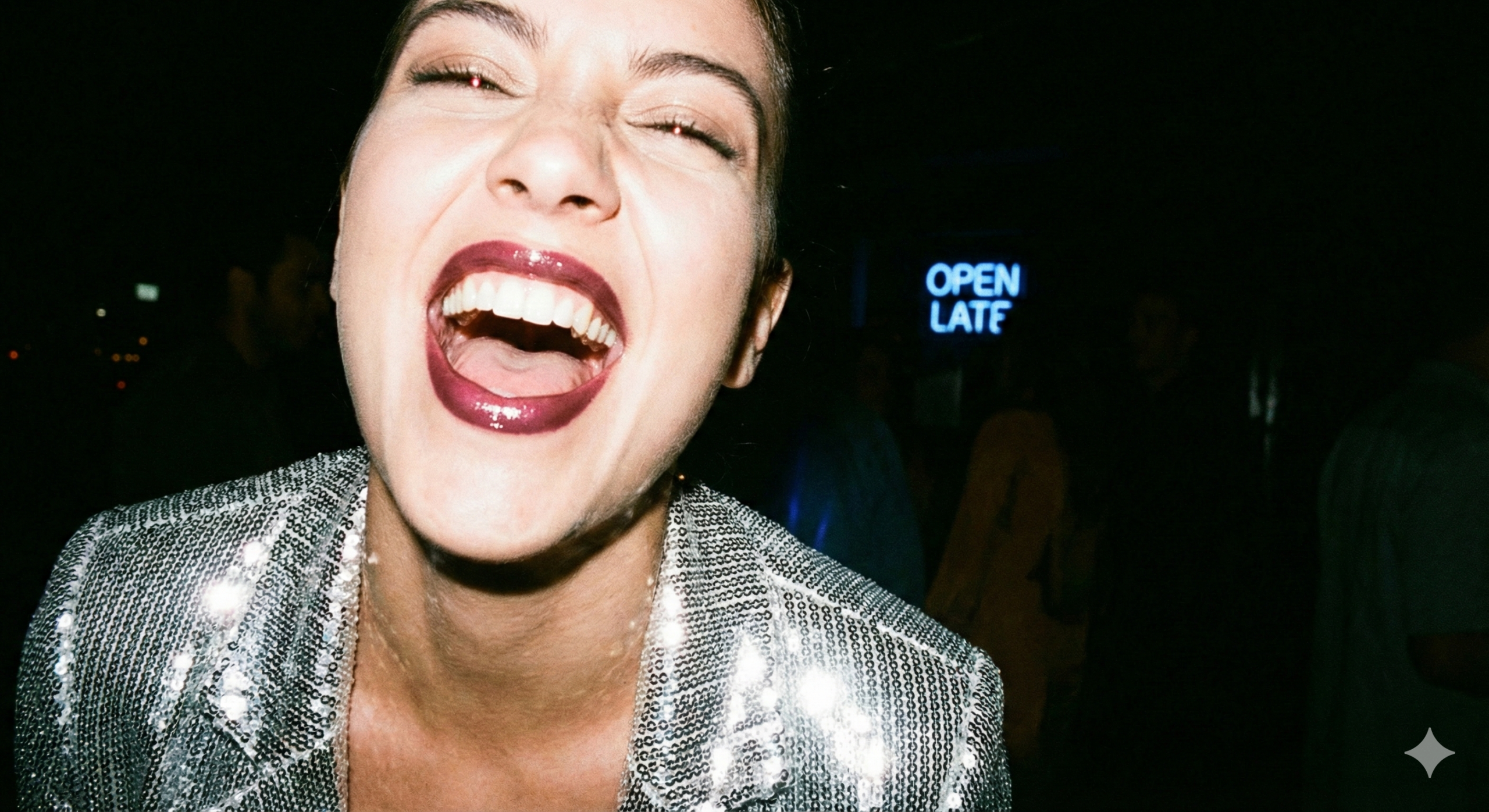
    The return of the harsh, unfiltered flash is one of the most surprising and dominant photography trends of 2026. After years of chasing soft, natural light, carefully editing out shadows, and defaulting to our phone’s automatic low-light settings, we’ve collectively thrown out the rule book and embraced the high-contrast, often unflattering aesthetic of the direct flash photograph. It’s not just a passing fad; it’s a full cultural moment, and if you haven’t yet mastered the look, it’s time to learn how to weaponize your phone’s flash to achieve the celebrated “paparazzi aesthetic.”

    The ‘Paparazzi Aesthetic’ Explained

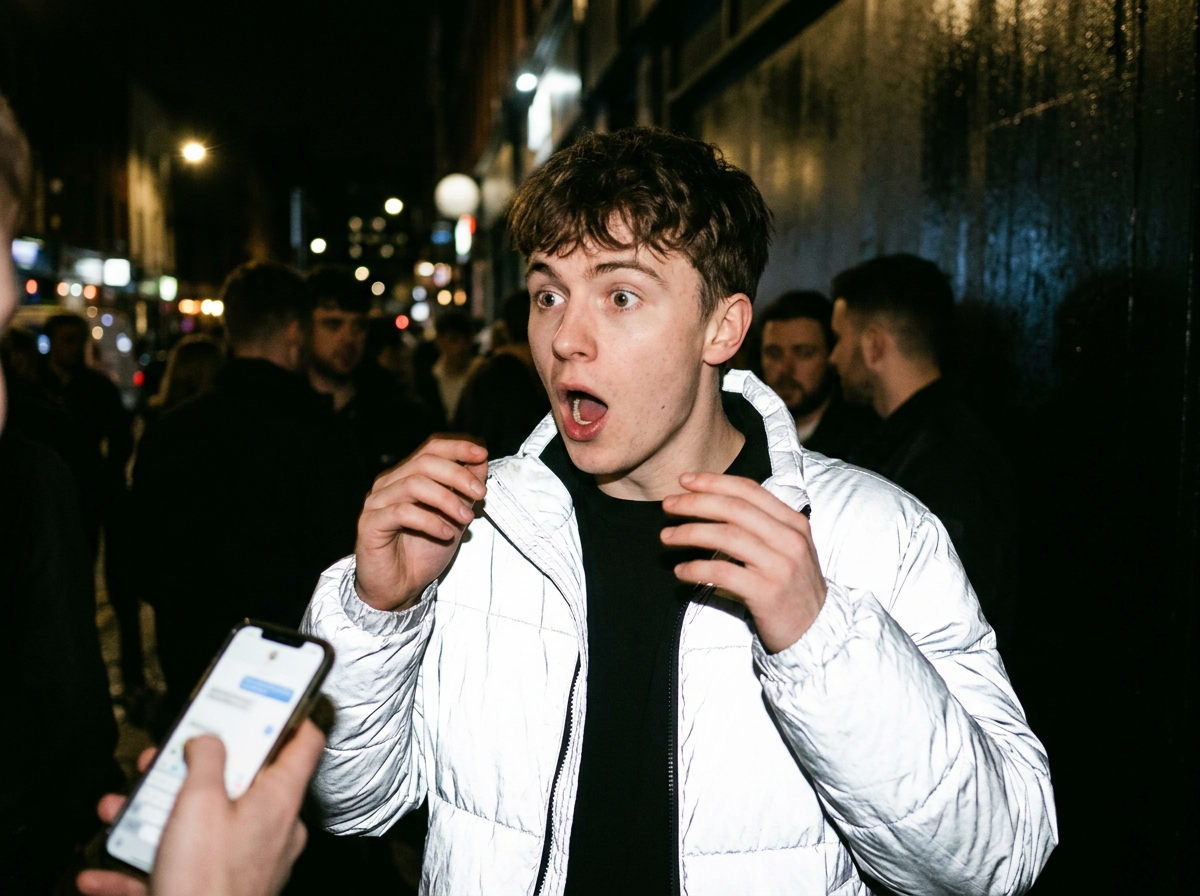
    Why is this formerly dreaded look suddenly everywhere? The appeal of the direct flash is rooted deeply in nostalgia and a contemporary craving for authenticity. It evokes a very specific time and place: the late 1990s and early 2000s, an era when inexpensive point-and-shoot digital cameras and disposable film cameras reigned supreme. These devices were known for a simple, non-diffused, front-facing flash that cast deep, unmistakable shadows, often blew out skin tones, and created dramatic highlights.

    When we look at a direct flash photo today, we aren’t just seeing a picture; we’re experiencing a piece of cultural history. It’s the look of celebrity street style from tabloid magazines, grainy red carpet shots, and late-night party photos taken in dimly lit clubs. It carries a sense of grit, an unfiltered, raw energy that contrasts sharply with the meticulously curated, sun-drenched perfection that has dominated social media for the past decade. It’s the visual equivalent of lo-fi music…imperfect, slightly rebellious, and immediately evocative.

    In a digital landscape saturated with highly polished, AI-assisted images, the harshness of direct flash offers a counterpoint. It screams “This was taken right now and no one had time to adjust the lighting.” It feels real, spontaneous, and unposed, even when the subject is perfectly styled. This high-contrast, almost brutal honesty is what makes the aesthetic so compelling to a generation tired of digital artifice. The shadows are part of the story, the blown-out highlights are a badge of authenticity, and the intense focus on the subject creates an undeniable sense of drama, placing the viewer right in the middle of a high-energy, secretive moment.

    Tutorial: Mastering the Look with Your iPhone and ZillaBooth Pro

    While your iPhone’s standard camera app is incredibly smart and tries to prevent the harsh look you’re after, replicating the “paparazzi aesthetic” requires forcing the camera to behave like a primitive point-and-shoot. The key is manual control over the flash, which is where a dedicated professional camera app like ZillaBooth Pro becomes essential.

    Step 1: Download and Open ZillaBooth Pro
    If you haven’t already, download the ZillaBooth Pro application. This app gives you granular control over your iPhone’s camera settings, including the often-locked flash function that the native camera app manages automatically.

    Step 2: Locate the Flash Control
    Once in the ZillaBooth Pro interface, look for the flash icon…usually a small lightning bolt. In the standard iPhone app, this is often set to ‘Auto’ or ‘Off.’ Within ZillaBooth Pro, you’ll see three primary settings for the flash: Auto, On, and Off.

    Step 3: Activate Manual “Flash On”
    This is the crucial step that differentiates a standard photo from an aesthetic one. Set the flash control to Manual “Flash On”. This forces the flash to fire at its maximum intensity every single time you press the shutter, regardless of how bright the scene actually is. This is the secret sauce for achieving the aggressively lit, high-contrast effect. You want the flash to overpower the ambient light…even if there is plenty of natural light…which is what creates those signature deep, black shadows and the dramatic look on your subject’s face or outfit. The lack of diffusion is key; the iPhone’s tiny flash is perfect for this, as it acts like the unrefined light source of a classic point-and-shoot.

    Step 4: Select Your Subject and Background
    The paparazzi aesthetic works best when there is a strong contrast between the subject and the background. * The Subject: The flash will highlight texture, makeup, and fabric dramatically. Encourage your subject to look directly at the camera for the classic, direct celebrity confrontation look, or let them move naturally in a chaotic setting to maximize the perceived spontaneity.
    * The Background: Look for settings with deep shadows or busy, interesting textures, like a dark brick wall, a crowded bar, or a street scene at night. The harsh flash will powerfully cut your subject out of the darkness and push the background into deep shadow, enhancing the drama and sense of isolation common in this aesthetic.Step 5: Adjust Exposure and Focus (Optional, but Recommended for Maximum Effect)
    Even with the flash forced on, you can fine-tune the drama using ZillaBooth Pro’s manual controls. * Exposure: While the flash is active, try slightly underexposing the shot using ZillaBooth Pro’s manual exposure slider. This will make the shadows even deeper and the highlights of the flash pop even more aggressively, reinforcing the “spotlight” effect.
    * Focus: Use the manual focus control to ensure your subject is razor-sharp. The extreme contrast created by the direct flash demands perfect focus to maintain the image’s overall impact.Step 6: Shoot and Review
    Take the shot. The result should be a high-contrast image with a distinct, vintage-digital feel. Pay attention to the shadows…they should be harsh, dark, and clearly defined behind your subject. Look for the reflective qualities in eyes, jewelry, or glossy fabrics, which should gleam intensely under the direct, undiffused light.

    Pro Tips for Paparazzi Perfection

    To elevate your direct flash game beyond a simple snapshot and into a refined piece of editorial-style content, keep these professional tips in mind:1. Embrace the Red Eye: Unlike conventional photography where red-eye is a flaw to be corrected, in the paparazzi aesthetic, it can be a feature. Don’t worry about editing it out. It adds to the raw, uncontrolled, and nostalgic feel of a genuinely spontaneous late-night flash photo.

    1. Focus on Texture: Direct flash is unforgiving, but that’s its strength. It aggressively magnifies texture. Shoot subjects wearing sequins, vinyl, metallic finishes, or heavy glitter. The intense light will bounce off these materials, creating an explosive, dynamic effect that elevates the drama and adds an almost cinematic quality to the shot.

    2. Get Close: The closer you are to your subject, the more intense and dramatic the flash effect will be. Due to the physics of light, the inverse square law means the light from your phone’s small flash will fall off rapidly; this means your subject will be brilliantly illuminated while everything even a few feet behind them will dissolve into shadow. This enhances the “spotlight” or “caught in the act” effect.

    3. Shoot in Broad Daylight (The Ultimate Power Move): Don’t reserve the flash just for dark environments. For the most aggressively contrasting and fashion-forward look, use the forced flash during the day. This technique, sometimes called “fill flash” (though here it’s more of an “overpower flash”), creates a surreal, hyper-real look where the sunlight and the flash compete, resulting in ultra-deep black shadows and perfectly lit faces…a signature style of editorial fashion photography from the early 2000s that gives the image a sense of heightened reality.

    4. Black and White Conversion: While shooting in color, consider a high-contrast black and white conversion afterward. The tonal separation created by the direct flash translates beautifully into dramatic monochrome, often mimicking the look of classic tabloid photography that had to be printed quickly and cheaply.The direct flash trend isn’t about taking better photos in the traditional, technically perfect sense; it’s about taking photos with more personality and more story. It’s a statement against the polished, perfect grid, a rebellion in favor of the real, the raw, and the dramatically lit. By manually forcing the flash with ZillaBooth Pro, you’re not just taking a picture…you’re capturing a mood, a moment, and a potent hit of digital nostalgia that feels right on time for today’s visual culture. Step out of the soft light and into the shadows, and let your phone’s flash be the source of your next great, imperfectly perfect shot.

  • The “Mall Mall” Aesthetic: 90s Nostalgia

    The “Mall Mall” Aesthetic: 90s Nostalgia

    The Vibe Check: Why the 90s Mall is Back

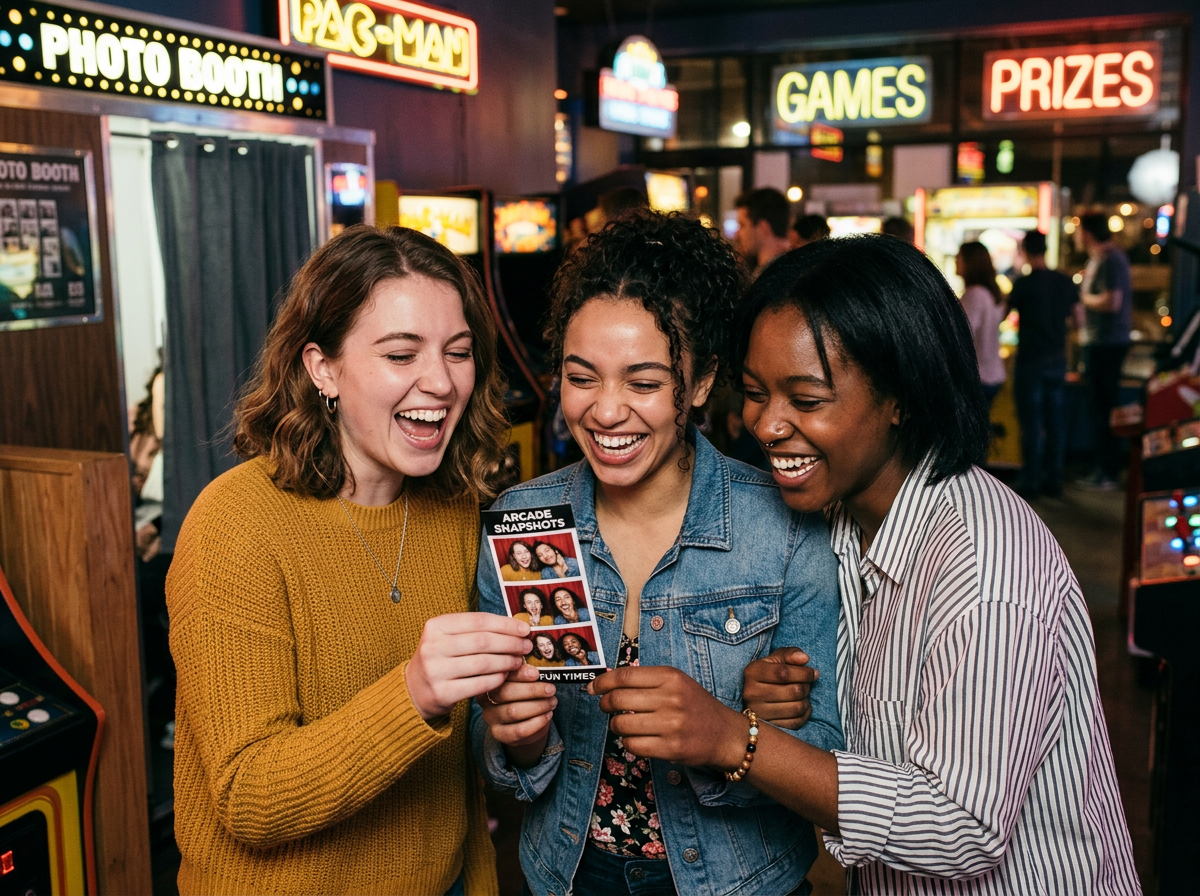
    The late 1990s mall was more than just a place to shop; it was the air-conditioned, neon-lit social epicenter for an entire generation. It was the smell of soft pretzels mixing with cheap cologne, the thumping soundtrack of pop-punk, and the satisfying clack of chunky platform sneakers on the tiled floor. This is the feeling the “Mall Mall” aesthetic captures…a deliberate, stylized flashback to that golden era of casual consumerism and teenage autonomy. In a world saturated with highly curated, minimalist feeds, the maximalist, slightly chaotic, and utterly human energy of the 90s mall photo booth is hitting differently. We’re craving the low-stakes, high-fun authenticity of a time before smartphones, when photo booths were the only place you could get a truly instant, physical memory with your friends. This trend isn’t just about fashion; it’s about recreating a feeling of freedom, an “after school” vibe where the only thing on the agenda was hanging out and making a memory. It’s a nostalgic rebellion against the curated perfection of today, and it starts with your outfit and ends with the perfect 2×2 grid.

    Styling for the “Mall Mall” Vibe

    To fully embody this aesthetic, your clothing needs to scream “just got off the bus and have three hours to kill.” It’s less about high fashion and more about mixing textures, embracing bold colors, and piling on accessories from your favorite mall kiosk.1. Denim, Everywhere: Forget form-fitting silhouettes; the foundation of this look is relaxed, light-wash, and probably a little baggy. The denim of the 90s had a specific weight and wash that felt effortlessly cool.

      * The Overalls: The easiest entry point. Wear them with one strap unhooked...it was the universal symbol for casual cool...and a brightly colored tee underneath. Cuffed hems are a must.<br />
      * High-Rise Mom or Carpenter Jeans: Look for a fit that is loose through the hip and leg. Cuffed at the ankle is essential to show off a pair of classic white crew socks and your chosen footwear. These pants are all about comfort and function, perfect for sitting on a bench for hours.<br />
      * Denim Jackets: Oversized, faded, and potentially covered in patches or enamel pins. For the perfect slouch, throw it over one shoulder or tie it around your waist. The faded wash is critical; it should look like it’s been through a thousand washes.
    
    1. Neon Pop: The 90s didn’t do subtle, especially under the fluorescent lights of the food court. Layering neon pieces brings that classic, synthetic mall lighting to life.
      • Turtlenecks and T-Shirts: Use neon green, hot pink, or electric blue tees or turtlenecks under your denim or mesh tops. The key is strategic layering. A bright mock-neck under a chunky cardigan or a neon stripe peeking out from under a graphic tee provides that necessary pop.
      • Windbreakers and Anoraks: These are essential outer layers, even when it’s not windy. Choose one with bold, geometric color blocking. The crinkly texture adds another layer to the aesthetic. Roll the sleeves up to the elbow for maximum attitude.
    2. Chunky Footwear is Non-Negotiable: You need shoes built for pacing the mall for hours.
      • Platform Sneakers: The undisputed champion of the 90s mall floor. Think thick white soles, a slightly beat-up look, and perhaps a Velcro strap. Brands with an athletic or skate heritage are perfect. They literally elevate your style.
      • Combat Boots: The grunge edge to the aesthetic. Pair them with floral mini-dresses or skirts for a softer contrast. The lacing should look slightly undone.
      • Jelly Sandals: For a more playful, early-90s look, or colorful athletic slides with branded socks. The key is visible, bold footwear.
    3. Accessorize Like It’s 1999: This is where you finalize the look and add personality. The accessories of the “Mall Mall” aesthetic are often plastic, playful, and layered on.
      • Scrunchies: Mandatory. Use a velvet scrunchie in a high ponytail, a messy bun, or piled up on your wrist. The bigger the bow or flower, the better.
      • Mini Backpacks: The smaller and more impractical, the better. Bonus points if it’s metallic, velvet, or clear plastic. It’s for carrying your Lip Smackers and quarters for the arcade.
      • Chokers: Specifically the black velvet band or the stretchy, plastic “tattoo” variety that everyone bought at the same kiosk. Layer them with a long, thin necklace featuring a yin-yang or a sun/moon pendant.
      • Lip Gloss and Hair Clips: Not just makeup, but critical accessories. The shinier the lip gloss (bonus for flavored), the more on-brand. Snap or butterfly clips should be liberally applied to frame the face.The ZillaBooth 2×2 Grid: Replicating the Photo Booth Moment

    The physical photo booth…that cramped, curtained-off machine…was the original social media. It was where you captured true friendship and immediate, unedited joy. The key feature was the strip of four sequential, tightly framed images. This is where the ZillaBooth app, with its specific 2×2 grid feature, becomes the perfect digital vehicle for the “Mall Mall” aesthetic. It simulates the constraints and spontaneity of the original.1. Frame It Tight: The magic of the photo booth was the close crop. To nail the look, you must fill the frame.

      * Get Close: The 2x2 grid format naturally demands you fill the frame. Gather your friends tightly, shoulders touching and faces near the lens. Your expression should dominate the individual squares.<br />
      * Use the ZillaBooth Timer: The actual photo booth worked on a timed delay, often catching people mid-pose or with a spontaneous, slightly surprised reaction. Use the app's delay function so you can't see the exact moment the photo snaps, guaranteeing a more candid, less posed expression.
    
    1. Master the Four Poses: The 2×2 grid is a micro-story in four parts. Plan your progression to capture the true mall energy: a moment of shared, uninhibited fun.
      • Pose 1: The Serious Stare. Start by looking directly into the camera with a neutral, slightly moody expression. A head tilt is optional. This sets up the tension, mimicking the typical “let’s look cool” first shot.
      • Pose 2: The Sudden Silly. The first spontaneous burst of energy. Maybe a tongue-out, a ridiculous hand gesture, a sudden peace sign, or a fake gasp. This breaks the mood and injects the casual fun.
      • Pose 3: The Friendship Cuddle. Get even closer, lean heads together, maybe a playful pinch of the cheek, or a dramatic hand-on-hip pose. This is the warmth and intimacy of the “after school” hangout, a testament to your bond.
      • Pose 4: The Shared Laugh. The perfect finale. Something in the middle squares made everyone genuinely crack up. This shot captures the uninhibited, authentic laughter that defines the whole era.
    2. Lighting and Contrast: The booth photos were never technically perfect. They were often washed out, slightly too dark, or had weird color shifts. This imperfection is the goal.
      • Flash is Your Friend: The single most important step. Turn on the ZillaBooth flash function to mimic the booth’s harsh, direct, and non-diffused light source. This will flatten the image, create distinct, deep shadows behind you, and bring out the texture in your denim and the shine of your accessories…just like the original.
      • Vintage Presets: Use a low-saturation filter to give the photo a slightly faded, film-like quality. The original prints weren’t high-definition, and yours shouldn’t be either. Aim for a slightly green or magenta tint around the edges, adding to the synthetic glow.The “Mall Mall” aesthetic is a rebellion against the pressure to be perfectly polished online. It’s a return to an era where fun was analog, fashion was loud, and your greatest concern was whether you had enough quarters for a soft drink and the arcade. By combining the unmistakable style cues of 90s denim and neon with the specific, unpolished, and sequential framing of the ZillaBooth 2×2 grid, you don’t just take a photo…you capture a pure, concentrated hit of after-school nostalgia. It’s more than a trend; it’s a love letter to the last great era of genuine teenage hangouts, perfectly packaged for a new generation.
  • The Psychology of the Curtain: Why We Act Differently in Booths

    The Psychology of the Curtain: Why We Act Differently in Booths

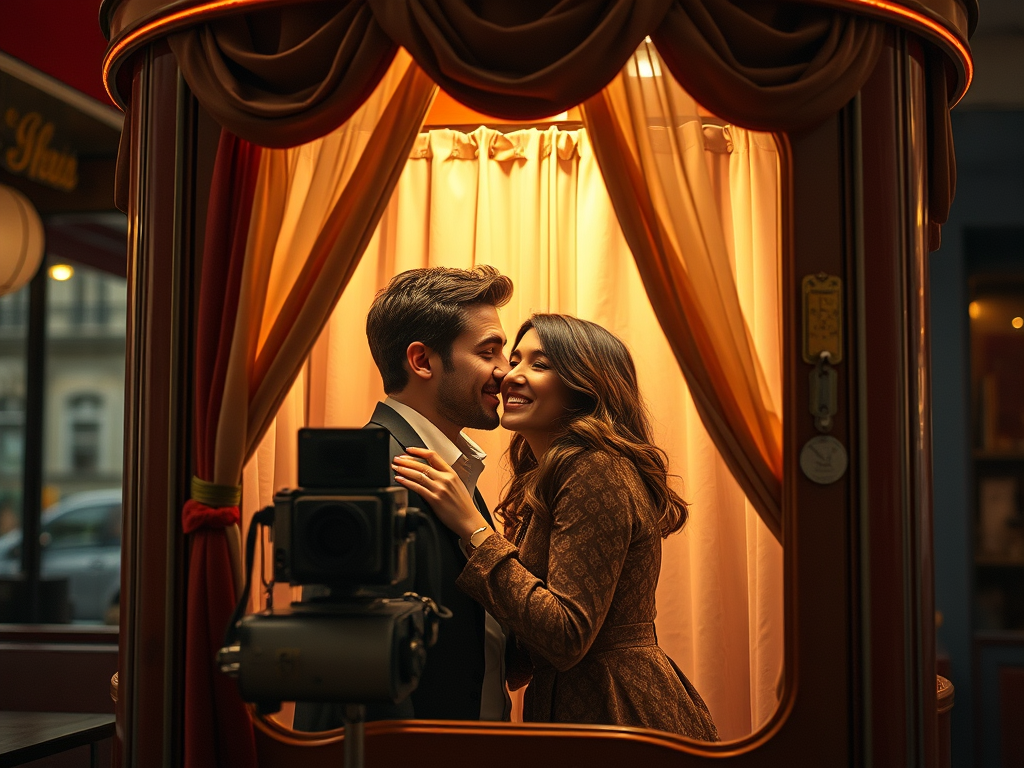
    It’s a peculiar phenomenon, one almost universally experienced: the moment you step across the threshold into a small, enclosed space, your demeanor changes. Whether it was the classic strip-photo machine of the 1950s or the sleek, modern digital enclosure at a contemporary event, the photo booth has always served as a tiny, psychological theater where the rules of public decorum are momentarily suspended. Why is it that inside this temporary box, surrounded by vinyl or canvas, we feel permission to be goofy, to pose outrageously, to let loose with an unfiltered laugh that would feel awkward anywhere else? The answer lies in the deep-seated psychology of the barrier…the curtain…and the profound sense of privacy it guarantees.

    The earliest photo booths were fundamentally machines built around an act of disappearance. The heavy velvet or vinyl curtain was more than just a light seal; it was an impenetrable, temporary wall against the outside world. Stepping behind it was a deliberate, ceremonial act of separation. Once the curtain fell closed, the individual or group vanished from public view, entering a space of radical, albeit brief, autonomy. This physical act of exclusion is the psychological root of the phenomenon described in the prompt: it gives people license to “let their guard down.”

    In psychological terms, this is a controlled moment of deindividuation. In a large crowd, deindividuation can lead to regrettable behavior because the individual identity is lost. But in the photo booth, the effect is inverted. By removing the individual from the social contract of the public space, the small enclosure allows a positive, momentary loss of self-consciousness. You are no longer subject to the immediate, judging gaze of the audience outside the booth. This removal of external surveillance is what frees people to shed the carefully constructed mask they wear in public and express their genuine, often playful, personality. The camera, a machine without judgment or memory, becomes an accomplice rather than an observer. The curtain tells the brain: “What happens in the booth, stays in the booth.”

    This sense of a private sanctuary stands in stark opposition to the modern age of perpetual performance. Today, particularly at major social events, the camera is an instrument of the public domain. Every action, every outfit, and every reaction is potentially curated, captured, and instantly broadcast to a vast, invisible audience on social media. The shift from private memory to public content has introduced a pervasive sense of self-monitoring. We become acutely aware that the photos being taken are not just for us; they are for the ‘feed,’ for the metrics, for the thousands of passive followers we will never meet.

    This pressure is the enemy of authenticity. When a couple poses for a wedding photographer, for example, the image is often immaculate, perfectly lit, and composed to tell a specific, idealized story. But that image is also a performance. The photographer is an active participant in the staging, directing the pose, adjusting the angle, and maintaining an intimate, watchful eye. While the resulting photograph is beautiful, it captures a moment that is inherently aware of being captured. The self-consciousness of being watched…a mild form of the well-known Hawthorne effect…means the subject is acting for the camera, not simply reacting to the moment. The photographer, by their very presence, is a constant reminder of the public’s anticipated consumption of the image. They are the human embodiment of the external gaze.

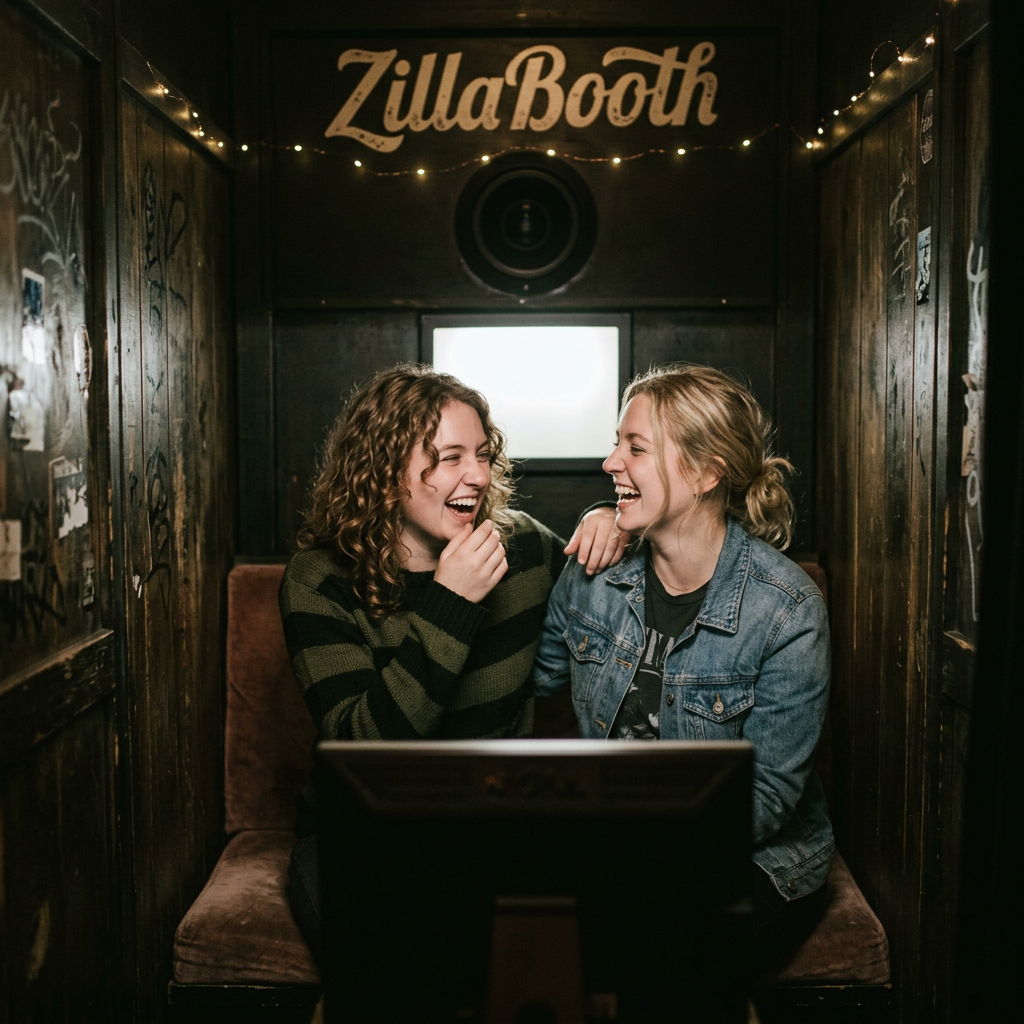
    This is where the genius of modern, unattended photo technology, exemplified by ZillaBooth, comes into sharp focus. The traditional photo booth’s power came from its physical curtain; ZillaBooth’s power comes from its unattended, privacy-first design, which serves as the psychological equivalent of that barrier.

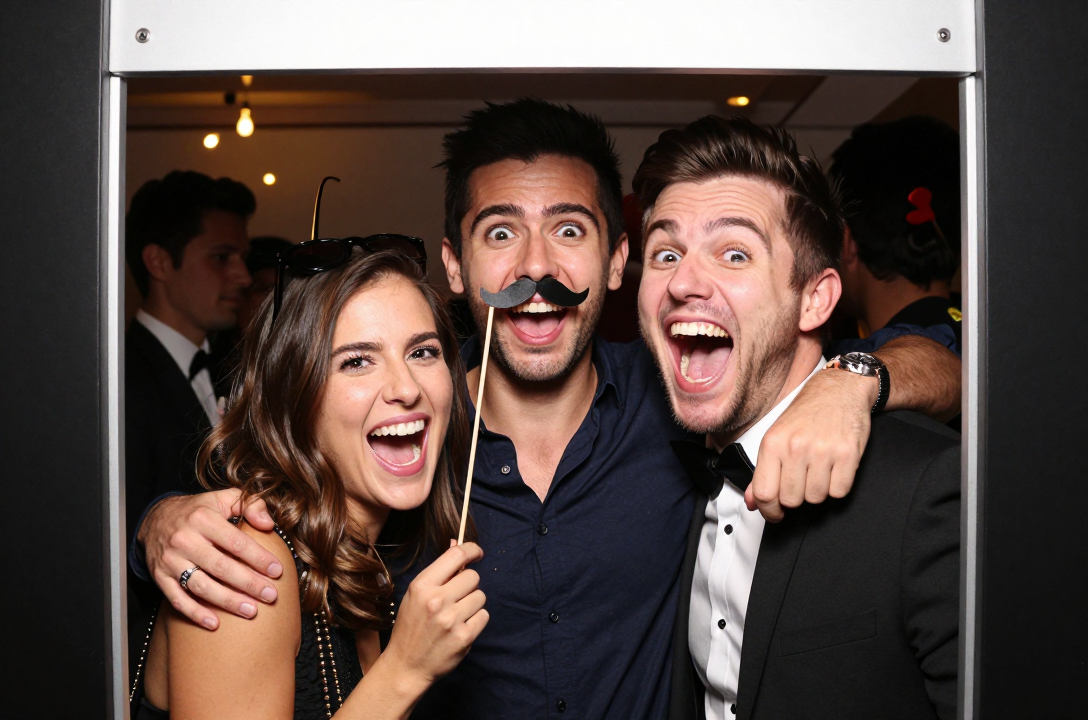
    ZillaBooth is not a prop or an accessory for the photographer; it is a discrete experience. The most critical factor is the absence of the human operator. In a traditional setting, even a casual photographer or booth attendant introduces a layer of public accountability. That person is another eye, a potential critic, and a proxy for the wider social audience. When a group steps into the ZillaBooth, they are not posing for anyone; they are posing with each other. The booth becomes a silent, automated confidante. The pressure is instantly off.

    The design emphasizes that the action inside the booth is a self-contained unit of fun. There is no instant, public-facing sharing mechanism; the focus is solely on the immediate, internal dynamic of the group. The sense of being unwatched, even when fully aware a camera is flashing, is what restores the psychological condition of the original, curtained space. The subject is freed from the social burden of producing content and allowed to simply produce memory.

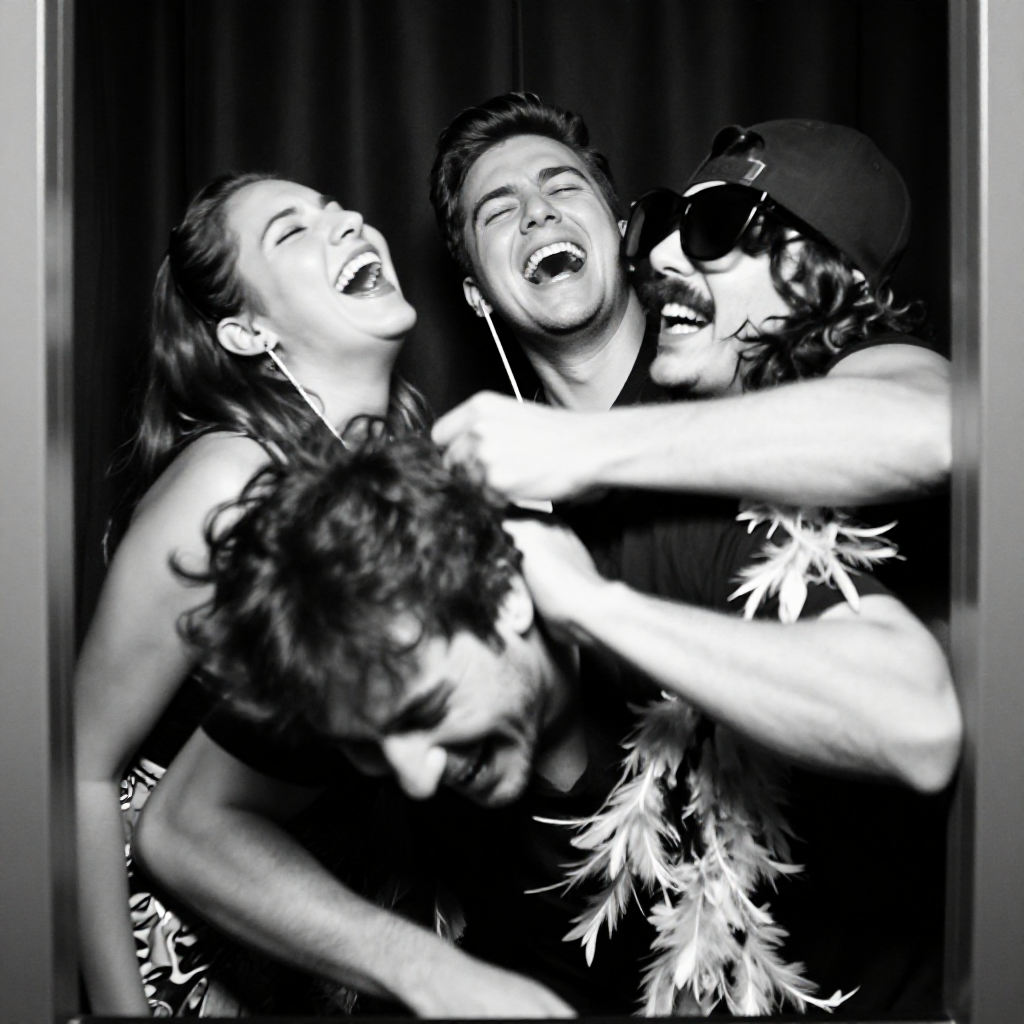
    This is why the resulting images are invariably “goofier” and more “natural.” Goofiness is not an action you can successfully stage; it is the spontaneous overflow of genuine, uninhibited joy. It is a moment of shared, unselfconscious absurdity that only erupts when the participants feel completely secure and unjudged. The photographs capture the real, chaotic, and often hilarious essence of friendship and relationship dynamics.

    Consider the typical photo booth strip:1. Frame One: Initial self-conscious pose, often a bit stiff.
    2. Frame Two: The subjects realize they are truly alone, and the first hint of a real smile appears.
    3. Frame Three: The group dynamic takes over, prompting a genuinely funny pose or a spontaneous, shared laugh.
    4. Frame Four: Complete, joyous absurdity…a wild gesture, a silly face, an image that is deeply personal and truly captures a moment of connection.The transition from Frame One to Frame Four is the journey from performance to authenticity, facilitated entirely by the psychological safety of the private, unattended space. A photographer is often asked to capture the ideal version of the event; the photo booth captures the real version.

    This contrast is crucial for the discerning host or event planner. While professional photography captures the grandeur and the aesthetics, ZillaBooth captures the soul and the intimacy. The professional photographer is tasked with documenting the curated narrative; the unattended booth is allowed to document the spontaneous truth. The images produced are not merely complementary; they are two sides of the same psychological coin. One is the public face; the other is the private, shared joke.

    Ultimately, the power of the booth is the power of a temporary, communal blind spot. In a world saturated by surveillance…from CCTV to the omnipresent smartphone camera…the photo booth offers a small, defiant sanctuary. It is a declaration that for four quick flashes, you are exempt from the requirements of the stage. The attendant is gone, the social media link is severed, and the outside world is muted. All that remains is the interaction between the people in the frame.

    ZillaBooth’s successful recreation of the “Psychology of the Curtain” is not about nostalgia; it is about addressing a very modern need. It acknowledges that true, uninhibited connection is best captured when the subjects forget the camera exists, and the best way to make them forget the camera is to ensure they are only conscious of the company they keep. By removing the watchful, judging eye of the human operator and the immediate, judging audience of the internet, ZillaBooth facilitates the kind of natural, goofy, and profoundly human moments that become not just great photos, but true, unblemished private memories. It is where the human guard comes down, and the true picture emerges.

  • Messy Flatlays & Chaos: The New “Detail Shot”

    Messy Flatlays & Chaos: The New “Detail Shot”

    The era of the meticulously curated, perfectly lit, and utterly pristine flatlay is officially over. For years, the gold standard for any event recap or professional detail shot involved a sterile table setting, a pair of artfully arranged shoes, or a champagne flute positioned just-so to catch the perfect glint of sunlight. It was beautiful, yes, but it was also predictable, emotionally inert, and ultimately, a lie.

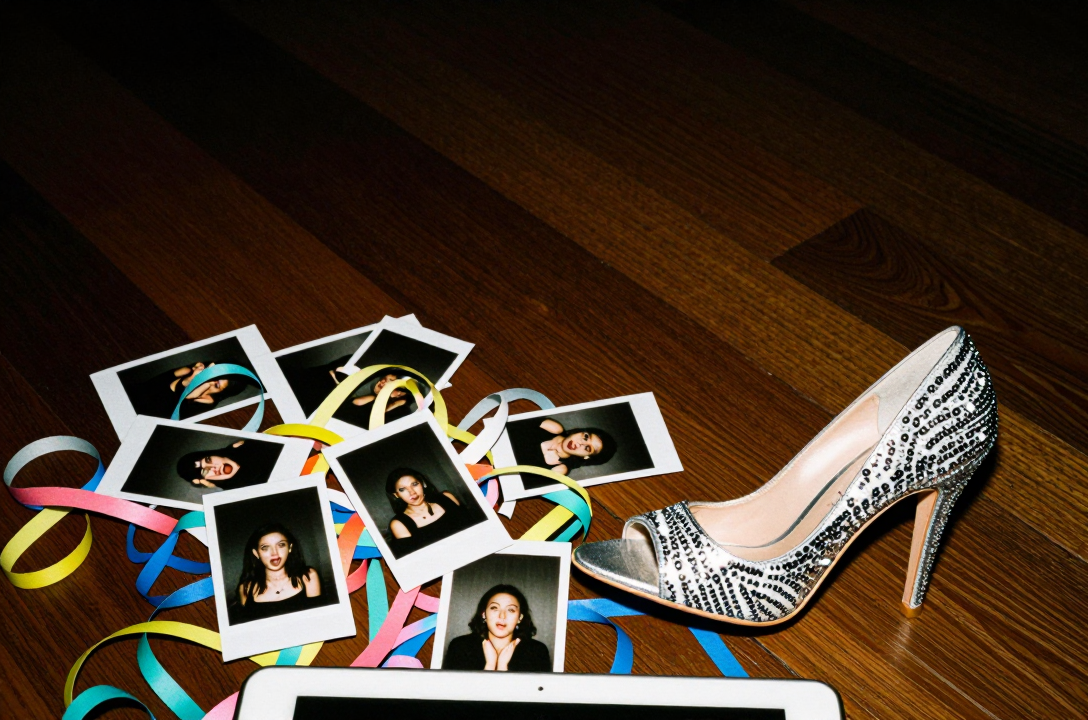
    Today, the most compelling visual stories of any great celebration are found not in the ‘before’ but in the glorious, messy ‘aftermath.’ We’re not talking about staging a prop to look slightly dishevelled; we’re talking about documenting the genuine, glorious chaos that is the indelible evidence of a party that truly succeeded. This is the new detail shot, and it is a powerful statement of authenticity that your followers and your clients are craving. It’s the half-eaten slice of cake abandoned on a cocktail napkin because the DJ dropped a banger and the guest ran to the dance floor. It’s the pile of discarded photo booth props, the scattering of confetti, and the shoes that were kicked off hours ago. These aren’t just pictures of debris; they are the visual transcripts of unadulterated joy.

    The Aesthetics of Aftermath: Why Mess is the Message

    Why has this shift occurred? Simple: audience fatigue. We’ve all scrolled past thousands of identical, hyper-edited images. They lack grit, vulnerability, and the sense of a real, lived moment. The messy detail shot, conversely, offers an instant injection of reality. It’s a raw, spontaneous energy that speaks volumes. When a photographer captures a perfectly untouched space, it says “We were here.” When you capture the beautiful debris, it shouts “WE HAD A BLAST HERE.”

    This aesthetic is deeply rooted in a contemporary craving for authenticity over perfection. The small, scattered elements…a smudge of lipstick on a glass, a crumpled thank-you note, the wilted flowers from a table centerpiece…become powerful storytelling devices. They are artifacts of a memory in progress. They possess a lo-fi, almost accidental quality that contrasts sharply with the high-production sheen of standard event photography. This contrast is what makes them arresting and magnetic. The chaos is a badge of honour, signaling to the viewer that the energy of the night was simply too good for anyone to stop and tidy up. To master this look is to stop documenting the staging and start documenting the story.

    The Game-Changer: Weaponizing the iPad Photo Booth

    Now, let’s talk about the secret weapon for capturing this beautiful disorder: your iPad photo booth. Typically, the booth is a stationary fixture, a magnet for smiling faces. But late in the evening, when the room is dark and the party is peaking or winding down, it needs to become a mobile, handheld instrument of photojournalism.

    The traditional detail photographer with a huge DSLR can often look out of place, breaking the spell of the late-night vibe. But the familiar, simple profile of an iPad is non-intrusive. It blends in, allowing you to capture moments that feel truly candid.

    This is the key instruction: encourage and train your users…whether they are junior staff or clients…to take the iPad booth off its stand. The goal is to liberate the camera and turn it into a dedicated tool for capturing the night’s aftermath. This should be an authorized move reserved for the final hour of the event when the dance floor is spent, the caterers are clearing out, and the lights are low. The iPad’s inherent limitations in low light, when combined with its internal flash (which you should force to fire if possible, or rely solely on ambient light), perfectly replicate that desirable, high-contrast, grainy, early-2000s disposable camera look.

    Tutorial: Capturing the Chaotic Debris in Grid Format

    Once you’ve liberated the booth, the most crucial tool in your composition arsenal is the Grid Format. You must always shoot with the 3×3 grid display activated on the screen. The grid provides a simple, structured method for organizing visual chaos, ensuring that your messy photo still reads as an intentional, aesthetically pleasing image, not just a haphazard snapshot. The grid is what turns clutter into composition.

    Step 1: Go Mobile and Hunt for Evidence
    Around 30 minutes before the end of the event, or after the main action has passed, remove the iPad from its stand. Move through the event space like an archaeologist. Ignore people for a moment; you are looking for evidence of their revelry. * The Half-Eaten Cake: Don’t focus on the remaining pristine slice. Zoom in on the area where the first slice was messily carved out. Look for the fork, the smear of frosting, the crumbs scattered on the linen.
    * Dance Floor Relics: A fallen tie, a single shoe, a discarded funny hat, or a handful of tangled streamers. Focus on a grouping of three or more items.
    * The Bar Aftermath: Piles of used cocktail napkins, a few abandoned glasses with condensation rings, a twist of lime rind, and a spilled drop of red wine.
    * The Booth’s Own Debris: A pile of photo booth printouts scattered haphazardly on a table, perhaps with a stray glass on top of them. This is the ultimate meta-shot.Step 2: Compose Using the Rule of Thirds
    The 3×3 grid should be your guiding principle. Instead of centering the mess, you must use the grid lines and their four intersection points (the ‘power points’) to compose the shot. * Subject Placement: Identify the single most interesting or telling element…the ‘hero’ of the mess (e.g., the bright red lipstick stain, the glint of a lost earring). Place this element directly on one of the four intersection points. This gives the photo an immediate focal point that anchors the surrounding chaos.
    * Framing the Debris: Use the grid lines to establish borders. For example, you can line up the edge of a table or a long, fallen streamer along one of the horizontal or vertical grid lines. This imposes intentional structure on the random elements.
    * Negative Space: A common mistake is filling the entire frame with clutter. To make the messy detail shot work, you need to use a clean section of the floor, a dark corner of a wall, or a solid tablecloth as negative space. Use one or two of the grid sections to contain the mess, leaving the remaining sections as purposeful negative space. This highlights the chaos, giving it room to breathe. For example, frame a pile of confetti in the bottom right corner (one grid square), allowing the empty, shadowed floor to take up the rest of the shot.Step 3: Embrace the Low-Light Grain and Flash
    Do not be afraid of the noise or graininess that comes from shooting late at night with low, ambient light. This is an essential part of the aesthetic. It adds texture and drama. If the venue lighting is too low to capture anything legible, turn the iPad’s flash on (manual on, not auto). The harsh, undiffused light from the iPad’s small flash will cast deep, dramatic shadows and blow out highlights on reflective surfaces (like sequins or metal), which is exactly the high-contrast, rebellious look we are after. This direct light aggressively isolates the debris, cutting it out from the shadowy background and emphasizing the drama.

    Why Grid Format is Essential to Chaotic Photography

    In traditional photography, the Rule of Thirds is used to place important elements in a balanced, visually pleasing way. In chaotic photography, the grid does something more powerful: it legitimizes the mess. Without the grid, the photo looks accidental…just a picture of trash. With the grid, the viewer understands that the mess has been chosen and framed. * Balancing Visual Weight: A pile of abandoned glow sticks might be visually ‘heavy.’ You can balance this weight by placing it in the bottom third of the frame, leaving the upper two-thirds for a clean, darker background like an empty wall. The grid helps you measure this balance instantly.
    * Leading the Eye: Scattered objects like streamers, spilled powder, or tracks on the dance floor can be used as leading lines. Align these natural lines of debris with a grid line to direct the viewer’s eye toward the main point of interest (the intersection point).
    * Creating Tension: Placing a solitary, significant object (like a single, lost key) in the center of one of the empty grid sections, surrounded by the mess, creates a powerful sense of isolation and dramatic tension.The Impact on Your Brand Story

    The final messy detail shots, composed using the grid format and captured with the inherent drama of late-night light, are the ultimate testimonial. They don’t just show that an event was beautiful; they prove it was alive.

    This new aesthetic shifts the narrative of your event photos from a cold portfolio of perfect styling to a warm, genuine scrapbook of shared experience. These are the images that get saved, shared, and talked about. They are relatable, honest, and far more memorable than any staged flatlay.

    The photo booth, liberated from its stand, becomes the ultimate storyteller, a documentary filmmaker capturing the authentic, unscripted moments that define the success of an event. Stop cleaning up your photos. Start embracing the glorious, beautifully composed chaos. Take your iPad off the stand, turn on that grid, and document the party’s beautiful, brilliant surrender.

  • Film Photography Vibes: Why We Still Love the “Grain”

    Film Photography Vibes: Why We Still Love the “Grain”

    In an era dominated by instantaneous, high-resolution, and algorithmically perfect digital images, a surprising and deeply satisfying trend has taken hold: the resurgence of film photography. It’s more than a mere aesthetic choice; it’s a cultural counterpoint to the relentless pursuit of digital perfection. We have reached peak clarity. Our smartphone cameras, powered by computational wizardry, correct for every flaw, banish every shadow, and smooth every texture. And yet, what we truly crave are the imperfections…the light leaks, the accidental blur, the soft colors, and, most importantly, the inimitable texture of the “grain.” This craving is not just for the look of film, but for the feeling of it, and a new generation of users is discovering that the power of a tangible visual keepsake is far greater than that of a file saved in the cloud.

    The comeback of film is intrinsically linked to nostalgia…specifically, the nostalgia for a time when photography was deliberate, limited, and resulted in a physical object. A roll of film was finite. Each click of the shutter carried a cost and a risk. You wouldn’t know what you had until it was developed. This deliberate, slow, and physical process is the antithesis of modern digital photography, where we shoot hundreds of photos and immediately delete ninety-five of them, never truly bonding with the few we keep. The “grain”…that beautiful, organic texture resulting from silver halide crystals on film…is the fingerprint of that analog process. It signals authenticity, imperfection, and a moment captured without the heavy hand of over-editing. It is an aesthetic of trust: trust in the moment, trust in the light, and trust in the process.

    But the film phenomenon runs deeper than just texture and color palettes. It’s about the form in which these memories are kept. When we think of vintage photography, we picture stacks of Polaroids, shoeboxes of printed 4x6s, or even slides. These objects have weight, a scent, and a distinct physical presence. They can be held, shared, and rediscovered years later. In this space of profound digital fatigue, where our photos are trapped in an endless, undifferentiated stream on a phone’s camera roll, the desire for a physical, defined, and shareable format has become a dominant psychological need. We want keepsakes, not data.

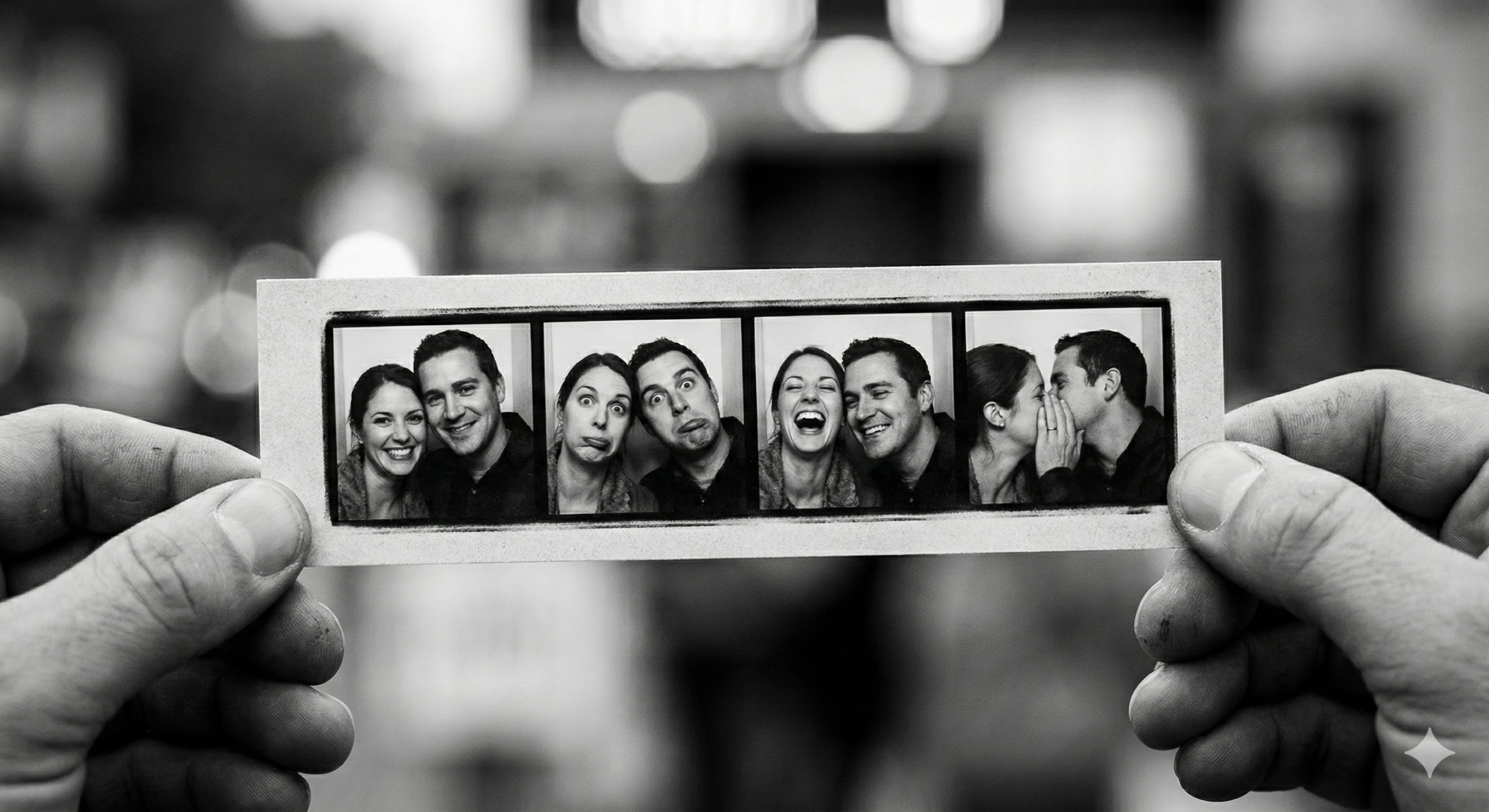
    This is where the venerable photo booth and its classic 1×4 film strip format re-enters the conversation, not just as a novelty, but as a powerfully resonant memory vessel. The photo strip is perhaps the ultimate example of a “tangible visual keepsake.” It is a cultural icon. Think about it: four small, square images, arranged vertically, connected by the chemical-stained border of the strip. Each image is a mini-narrative…a progression of goofy faces, shared kisses, or spontaneous bursts of laughter. The strip itself is slender, easily pocketed, tacked onto a corkboard, or slipped into a wallet. It is inherently personal, collectible, and utterly resistant to the tyranny of the digital feed. The magic of the photo strip is that it forces a moment of performance and finality. You get four shots, and that’s it.

    The genius of ZillaBooth Pro is its recognition of this cultural demand, translating the spirit and physical constraints of the classic analog photo booth into a powerful, accessible modern tool. The key element is its signature 1×4 strip layout. By deliberately structuring the digital output into this instantly recognizable format, ZillaBooth Pro doesn’t just mimic the look of a physical strip; it satisfies the psychological craving for that defined, tangible keepsake.

    When a user selects the 1×4 strip layout in ZillaBooth Pro, they are not just selecting a template; they are opting into a curated experience that replicates the scarcity and progression of the analog process. The app guides the user through four distinct, sequential captures. This process encourages spontaneity and performance in a way a single digital shot never could. The images are meant to tell a story: the first shot is often the most controlled, the final two are the most expressive and relaxed.

    Crucially, the ZillaBooth Pro output is designed for both digital sharing and, more importantly, for physical printing. A traditional digital image file is an undefined, boundless entity. A ZillaBooth Pro 1×4 strip file, however, is a pre-formatted, printable object. When printed, the strip emerges as a perfect, standardized visual artifact, ready to be pinned up, given away, or archived. This direct translation from screen to object is the core of its appeal. It bypasses the complexity of a regular photo printer, eliminating questions about cropping, size, and aspect ratio. You hit print, and you have your tangible keepsake. This streamlined process is essential for bridging the gap between digital ease and analog desire.

    Furthermore, ZillaBooth Pro enhances the nostalgic experience by layering in film-emulating effects that work perfectly within the high-contrast photo booth context. Users can apply filters that introduce realistic digital “grain,” subtle vignettes, and color shifts that mimic the aging or imperfect chemical development of film stock. The application often incorporates the classic high-contrast black and white look…a staple of vintage photo booths…which inherently enhances the dramatic, raw, and spontaneous feeling associated with physical media. When these grain and color filters are combined with the rigid structure of the 1×4 layout, the final product feels less like a photo and more like a cherished piece of history, instantly created.

    The ZillaBooth Pro’s focus on the 1×4 strip is a brilliant move that addresses the limitations of the modern digital landscape. In the vast, infinite scroll of a social media feed, a single photo is easily lost. But a photo strip…especially one featuring the iconic texture and visual progression of the ZillaBooth Pro output…demands attention. It is a visual blockquote, a curated micro-gallery of a moment, and its distinct shape makes it a statement piece. It’s an instant signifier of fun, retro charm, and intentional memory-making.

    For many, the app’s value lies in its ability to recapture the communal, shared experience of the photo booth. We are drawn to film because it is a shared experience. You take photos with friends, you wait for the final strip, and you instantly divide the tangible memory between you. ZillaBooth Pro allows for this same dynamic interaction: friends gather, pose, and see their four-shot story unfold, culminating in a printout that is immediately split and treasured. It transforms a solo digital activity back into a group performance, forging stronger emotional links to the resulting images.

    In conclusion, the passion for film photography and the enduring appeal of the “grain” is not a fleeting trend but a significant shift toward value, substance, and tangibility in our digital lives. ZillaBooth Pro has successfully tapped into this desire by recognizing that the format is just as important as the content. By standardizing the output to the nostalgic, powerful 1×4 strip, and overlaying it with authentic film-like textures, ZillaBooth Pro is not simply a camera application. It is a modern engine for generating “tangible visual keepsakes.” It offers users a deliberate, curated, and wonderfully nostalgic way to capture, print, and cherish the moments that matter, rescuing our memories from the infinite, undifferentiated abyss of the digital camera roll and giving them the physical weight and personality they deserve. The grain, in this context, is more than just an effect…it’s the beautiful, imperfect signal that this memory is real, it’s ours, and it’s meant to be held.

  • The Science of the Strip: Why 4 Photos?

    The Science of the Strip: Why 4 Photos?

    The most common tools for visual storytelling…from the cinematic masterpiece to the humble social media carousel…often rely on a complex, multi-layered structure. We’re taught about the three-act play, the twelve-step hero’s journey, or the endless scroll of a feed. Yet, one of the most powerful, oldest, and universally understood visual narrative formats operates on a deceptively simple number: four.

    Think about the classic photo booth strip. Four small squares, captured in quick succession. Think about the most iconic newspaper comic strips, which almost universally adhere to four panels. Think about the emerging dominance of the four-image Instagram carousel or the quad-split video on platforms like TikTok, forcing a miniature narrative to play out in a constrained space. Why does this specific structure, this quartet of frames, hold such a profound and magnetic appeal? The answer lies not just in visual design, but in the elemental structure of storytelling itself. Four is the precise number of steps required to execute a complete, satisfying narrative arc: Introduction, Action, Climax, and Resolution. It is the narrative minimum, a perfect, self-contained loop that ensures emotional engagement and instant comprehension. Master this four-frame science, and you master the art of the miniature epic.Frame One: The Introduction (The Setup)

    The purpose of the first frame is simple: establish context. This is the “Once upon a time” of the strip. It must clearly define the setting, the subject, and the initial state of the story. The viewer needs to know who we are looking at and where they are. This frame sets the tone and the baseline from which all subsequent drama will deviate.

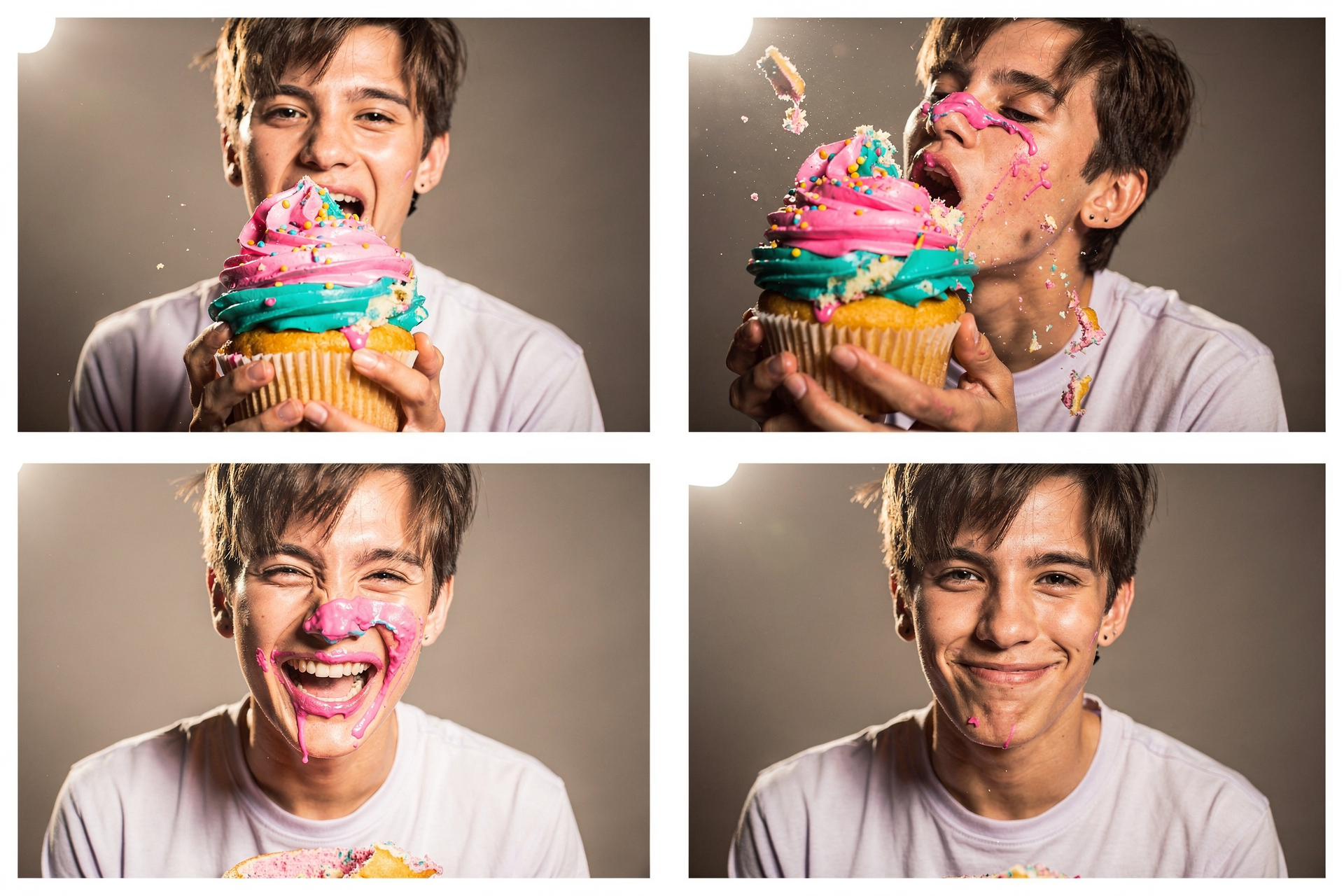
    Visually, this frame should prioritize clarity and space. It is often a wider shot, or a composition that clearly illustrates the environment. If your subject is a person, Frame One is their baseline expression…calm, expectant, or perhaps slightly bored. This establishes a “normal” state. For example, in a photo strip about eating a giant ice cream cone, Frame One is the subject standing with the perfectly intact, untouched cone, a look of pure anticipation on their face. The viewer’s mind immediately files this away: “Okay, this is the beginning. This is how things stand before the change.” Without this necessary initial setup, the next frames…the action…will lack the contrast required to feel like a story. The first frame is the anchor; it gives weight to the movement that is about to follow. It manages expectations and subtly promises that the next three frames will deliver a shift from this initial stasis. It is the quiet before the storm, the still moment that makes the subsequent movement kinetic. Its success is measured by how effectively it lays the foundational layer of reality for the story to be built upon.Frame Two: The Action (The Rising Tension)

    The second frame is where the story truly begins to move. Having established the “who” and “where,” Frame Two introduces the “what.” This is the catalyst, the complication, or the movement toward a goal. This frame creates tension because it is a direct deviation from the established norm of Frame One. The visual shift should be undeniable.

    In the narrative arc, this is the rising action. It’s the moment the character begins the task, or the problem makes itself known. Returning to the ice cream example, Frame Two is the moment the subject takes the first, massive bite, or perhaps the moment the cone begins to melt slightly, dripping over their hand. This is not the point of maximum drama, but the point of escalating drama. It’s the commitment shot. The expression on the subject’s face often shifts here…from anticipation to engagement, effort, or perhaps mild concern. Frame Two is crucial because it ensures the story isn’t just a collection of moments; it’s a process. It moves the subject from a passive state (being with the ice cream) to an active state (interacting with the ice cream). For a comic strip, this is the dialogue panel that reveals the conflict. For a fashion strip, this might be the moment a model begins a dramatic turn or interaction with a prop. It must confirm the promise of movement made by Frame One and set the stage for the inevitable climax. The visual language here is all about momentum, indicating that things are progressing and building toward an inescapable conclusion, heightening the sense of forward propulsion.Frame Three: The Climax (The Peak Moment)

    The third frame is the narrative apex…the reason the strip exists. This is the moment of maximum release, the punchline, the peak emotion, or the critical event. If the viewer remembers only one frame, it should be Frame Three. In the traditional three-act structure, the climax occurs at the end of Act Two or the beginning of Act Three. By placing it in the third of four frames, the structure acknowledges the narrative necessity of a brief, final conclusion.

    Visually, Frame Three should be the most dramatic, highest-energy, or most impactful image. In the photo booth, this is often the most exaggerated pose: the eyes crossed, the dramatic laugh, the sudden hug, or the full-face expression of delight or distress. Following our ice cream narrative, Frame Three is the glorious, messy peak: the cone has collapsed, the ice cream is smeared all over their face, and the subject is reacting with either pure, ecstatic joy or frustrated, messy surrender. The composition often benefits from being a tight, close-up shot, focusing exclusively on the intense reaction or the dramatic result of the action initiated in Frame Two. The chaos, the emotion, the visual noise…it all peaks here. Frame Three is the explosive release of the tension built across the first two frames. It is the moment where the story’s core thesis…the struggle, the joy, the transformation…is delivered with maximum force. Without a powerful Frame Three, the entire strip falls flat, lacking the necessary payoff that the setup frames promised. It must be visually and emotionally the loudest beat in the sequence.Frame Four: The Resolution (The Aftermath)

    The final frame serves to gently lower the viewer back to reality and provide closure. This is the “happily ever after” or, more often, the “lesson learned.” It is the moment of reflection and conclusion, ensuring the narrative loop is fully closed. After the high energy of the climax, Frame Four offers a necessary emotional and visual cool-down.

    Its visual aesthetic is often a return to calm, mirroring Frame One but with a crucial difference: the subject or scene has been fundamentally changed by the action. For the ice cream strip, Frame Four is the aftermath. The ice cream is gone (or mostly gone). The subject is looking tired but satisfied, perhaps wiping their face, or simply offering a knowing, post-chaos smile to the camera. It’s a moment of reflection and consequence. It doesn’t need to be high energy; its power comes from its quiet acknowledgment of what just occurred. Frame Four provides the necessary emotional safety for the viewer, letting them know the adventure is over. It validates the climax. The strip might end with a punchline, a knowing glance, or a return to the initial pose but with a subtle new detail…a smudge on the cheek, a changed backdrop, or a lingering expression of contentment. This final frame is what elevates the sequence from a mere series of snapshots into a coherent story, allowing the viewer to process the narrative and internalize the emotional journey. It’s the final punctuation mark…the period at the end of a perfectly formed sentence.The Science of the Quartet: Practical Application

    Understanding the four-frame narrative arc is incredibly useful for any content creator working in constrained media. The success of this structure lies in its forced economy. Since you only have four chances, every single frame must carry maximum narrative load.

    1. The Pacing is Non-Negotiable:
    You cannot linger in the introduction (Frame 1) or the action (Frame 2). These must be brief, crisp setups. Similarly, the climax must be instantaneous. This forced brevity is why the four-frame strip feels so dynamic. It’s a hyper-compressed drama, designed for an attention economy where speed of comprehension is paramount. The viewer must grasp the whole story in less than five seconds.

    2. Visual Contrast is Key:
    The transition between frames must be visually clear to signal the change in narrative stage. – Frame 1 to Frame 2: Change in posture or introduction of a new element (e.g., subject moves from sitting to standing).
    – Frame 2 to Frame 3: The most dramatic contrast. Often a change from an action-in-progress to the ultimate, messy result (e.g., from pouring liquid to spilling liquid).
    – Frame 3 to Frame 4: A distinct drop in energy. A move from a tight close-up back to a medium shot, or from an exaggerated expression back to a muted, reflective one.3. Medium Agnostic Magic:
    This principle works across all mediums that rely on sequential imagery: – Photography: A social media photo dump should be organized to follow this structure. The first photo sets the scene (the venue), the second introduces the activity (the dancing), the third is the chaotic peak (the group selfie with confetti), and the fourth is the reflective morning-after shot (the coffee).
    – Graphic Design/Presentation: When explaining a concept, use the four-frame structure: Frame 1…Problem Statement, Frame 2…Proposed Solution, Frame 3…The Result (Data/Outcome), Frame 4…Conclusion/Next Steps. This ensures maximum clarity and narrative drive in professional communication.
    – Video: Even in a short video, the first second should be the Introduction, the next two seconds the Action, the fourth second the Climax, and the final second the Resolution. The narrative integrity of a short clip is fundamentally dependent on hitting these four beats quickly and clearly.The enduring power of the four-frame strip is a testament to the fact that complexity is not required for depth. It proves that the most relatable stories are often the most concise. By forcing a creator to distill their story down to its four essential pillars…the establishment of the world, the introduction of the struggle, the moment of ultimate impact, and the final breath of conclusion…the structure eliminates all narrative fat, leaving behind a sequence of pure, unadulterated storytelling. It is a powerful constraint, but one that yields the most satisfying and perfectly paced miniature epic every single time. It is, quite simply, the most efficient narrative engine ever designed. The universality of this arc, from ancient friezes to modern digital strips, confirms its position as the ultimate guide to instant, powerful communication. When you only have a moment to connect with an audience, four frames are not a limitation…they are the perfect, infallible law of narrative physics. The magic is not in adding more, but in knowing precisely what to include in the perfect, powerful quartet.

  • The “Old School” Disposable Camera Trend (Without the Development Cost)

    The “Old School” Disposable Camera Trend (Without the Development Cost)

    The return of the harsh, unfiltered flash is one of the most surprising and dominant photography trends of 2026. After years of chasing soft, natural light, carefully editing out shadows, and defaulting to our phone’s automatic low-light settings, we’ve collectively thrown out the rule book and embraced the high-contrast, often unflattering aesthetic of the direct flash photograph. It’s not just a passing fad; it’s a full cultural moment rooted deeply in nostalgia for the late 1990s and early 2000s, an era when inexpensive point-and-shoot digital cameras and the classic disposable film cameras reigned supreme.

    What the modern photographer is craving is the “off-the-cuff” feel…that raw, sequential aesthetic born from a device that required zero technical expertise and gave you exactly what you got. It’s the look of spontaneity, a visual diary of real life captured without the digital artifice of filters, airbrushing, or meticulous staging. The disposable camera, with its non-diffused, front-facing flash, was the master of this style, casting deep, unmistakable shadows, often blowing out skin tones, and creating dramatic, high-contrast highlights. It’s a vibe that screams “This was taken right now and no one had time to adjust the lighting.” It feels real, spontaneous, and unposed.

    This aesthetic is the visual equivalent of lo-fi music…imperfect, slightly rebellious, and immediately evocative. It’s the raw energy that contrasts sharply with the meticulously curated, sun-drenched perfection that has dominated social media for the past decade. The shadows are part of the story, the blown-out highlights are a badge of authenticity, and the intense focus on the subject creates an undeniable sense of drama.The Expensive Wait for Authenticity

    So why not just buy an actual disposable camera? The truth is, while the aesthetic is cool, the classic “old school” method comes with major pain points that simply don’t fit into our instantaneous digital world. First, there’s the cost. Disposables are not cheap, and the film and developing fees quickly add up, turning a fun trend into an expensive habit. Second, and perhaps the biggest hurdle: the wait. You have to finish the roll, drop it off, and wait anywhere from a few days to a week to see your pictures. That delay kills the immediacy of a moment, frustrating a generation used to instant feedback. You might realize your flash wasn’t working, or the moment was totally missed, but only after your memories have been held hostage in a lab for a week. The environmental cost of single-use plastic and chemical development is also a growing concern for many.

    This is where ZillaBooth enters the chat. We understand you want the look…that raw, sequential aesthetic…without the week-long wait, the cost per photo, or the environmental guilt. ZillaBooth is the ultimate digital equivalent of the classic disposable camera, giving you the power to capture that raw, high-contrast aesthetic instantly on your iPhone. It’s about leveraging your phone’s camera to behave exactly like a primitive, flash-forward-only point-and-shoot, but with the instant gratification of a modern device.Mastering the Look with ZillaBooth Pro

    Replicating the “disposable camera aesthetic” requires forcing your phone’s incredibly smart camera to override its automatic settings and behave in a simple, almost brutal way. The key lies in manual control over the flash, which is where a dedicated professional camera app like ZillaBooth Pro becomes essential. Your iPhone’s standard camera app is designed to prevent the harsh, high-contrast look you’re actually after, so we need to step outside of its controlled environment.

    The core mechanism of the aesthetic is the Direct Flash…a technique that creates the same high-contrast, dramatic look found in those late ’90s/early ’00s shots. This style is often referred to as the ‘Paparazzi Aesthetic’ because it mimics the intense, unfiltered look of celebrity street style from tabloid magazines and grainy, late-night party photos taken in dimly lit clubs.

    Here is the tutorial for mastering the high-contrast aesthetic with ZillaBooth Pro:

    Step 1: Download and Open ZillaBooth Pro

    The journey begins with the application itself. If you haven’t already, download the ZillaBooth Pro application. This app is the gateway to granular control over your iPhone’s camera settings, crucially including the flash function that the native camera app manages automatically to avoid the desired harsh effect.

    Step 2: Locate the Flash Control and Go Manual

    Once inside the ZillaBooth Pro interface, locate the flash icon…usually a small lightning bolt. In the standard iPhone app, this is often set to ‘Auto’ or ‘Off.’ Within ZillaBooth Pro, you’ll see primary settings for the flash: Auto, On, and Off. This is the crucial moment: set the flash control to Manual “Flash On”.

    This single action is the secret sauce. It forces the flash to fire at its maximum intensity every single time you press the shutter, regardless of how bright the scene actually is. You want the flash to overpower the ambient light…even if there is plenty of natural light…which is what creates those signature deep, black shadows and the dramatic, spotlight look on your subject. The lack of diffusion is key; the iPhone’s tiny flash is perfect for this, as it acts like the unrefined light source of a classic point-and-shoot disposable.

    Step 3: Select Your Subject and Background for Maximum Drama

    The aesthetic works best when there is a strong, dramatic contrast between the subject and the background. * The Subject: The direct flash will highlight texture, makeup, and fabric dramatically. Encourage your subject to look directly at the camera for the classic, direct confrontation look, or let them move naturally in a chaotic setting to maximize the perceived spontaneity.
    * The Background: Look for settings with deep shadows or busy, interesting textures, like a dark brick wall, a crowded bar, or a street scene at night. The harsh flash will powerfully cut your subject out of the darkness and push the background into deep shadow, enhancing the drama and sense of isolation common in this aesthetic.Step 4: Adjust Exposure (The Aggressive Underexposure Move)

    Even with the flash forced on, you can fine-tune the drama using ZillaBooth Pro’s manual controls. While the flash is active, try slightly underexposing the shot using ZillaBooth Pro’s manual exposure slider. This will make the shadows even deeper and the highlights of the flash pop even more aggressively, reinforcing the “spotlight” effect that defines the disposable aesthetic. For maximum effect, also use the manual focus control to ensure your subject is razor-sharp. The extreme contrast created by the direct flash demands perfect focus to maintain the image’s overall impact.

    Step 5: Shoot and Review Instantly

    Take the shot. The result should be a high-contrast image with a distinct, vintage-digital feel. Pay attention to the shadows…they should be harsh, dark, and clearly defined behind your subject. Look for the reflective qualities in eyes, jewelry, or glossy fabrics, which should gleam intensely under the direct, undiffused light. Best of all? You see it immediately. No waiting, no cost, no waste.Pro Tips for Digital Disposable Perfection

    To elevate your digital disposable game beyond a simple snapshot and into a refined piece of editorial-style content, keep these professional tips in mind:1. Embrace the Red Eye: Unlike conventional photography where red-eye is a flaw to be corrected, in this aesthetic, it can be a feature. Don’t worry about editing it out. It adds to the raw, uncontrolled, and nostalgic feel of a genuinely spontaneous late-night flash photo.

    1. Focus on Texture: Direct flash is unforgiving, but that’s its strength. It aggressively magnifies texture. Shoot subjects wearing sequins, vinyl, metallic finishes, or heavy glitter. The intense light will bounce off these materials, creating an explosive, dynamic effect that elevates the drama and adds an almost cinematic quality to the shot.

    2. Get Close: The Inverse Square Law is Your Friend: The closer you are to your subject, the more intense and dramatic the flash effect will be. Due to the physics of light, the inverse square law means the light from your phone’s small flash will fall off rapidly; this means your subject will be brilliantly illuminated while everything even a few feet behind them will dissolve into shadow. This enhances the “spotlight” or “caught in the act” effect which is the hallmark of the spontaneous aesthetic.

    3. Shoot in Broad Daylight (The Ultimate Power Move): Don’t reserve the flash just for dark environments. For the most aggressively contrasting and fashion-forward look, use the forced flash during the day. This technique, sometimes called “fill flash” (though here it’s more of an “overpower flash”), creates a surreal, hyper-real look where the sunlight and the flash compete, resulting in ultra-deep black shadows and perfectly lit faces…a signature style of editorial fashion photography from the early 2000s that gives the image a sense of heightened reality.

    4. Black and White Conversion: While shooting in color, consider a high-contrast black and white conversion afterward. The tonal separation created by the direct flash translates beautifully into dramatic monochrome, often mimicking the look of classic tabloid photography that had to be printed quickly and cheaply.The disposable camera trend isn’t about taking better photos in the traditional, technically perfect sense; it’s about taking photos with more personality and more story. It’s a statement against the polished, perfect grid, a rebellion in favor of the real, the raw, and the dramatically lit. ZillaBooth allows you to access this potent hit of digital nostalgia instantly and consistently, giving you the classic, sequential, and raw aesthetic you crave without the week-long wait or the development cost. Step out of the soft light and into the shadows, and let ZillaBooth be the source of your next great, imperfectly perfect shot.

  • The Amelie Effect: Romanticizing the Photo Booth

    The Amelie Effect: Romanticizing the Photo Booth

    In a world dominated by meticulously curated Instagram feeds and high-resolution, professionally-lit portraits, there remains a persistent, almost rebellious allure to the old-fashioned photo booth. It is a portal, a small, velvet-curtained confessional that offers an instant of genuine, unfiltered intimacy. For couples, it’s not just about taking a picture; it’s about sharing a sealed, spontaneous micro-memory. This unique, cinematic quality of the photo booth is what we call The Amelie Effect, a phenomenon rooted in the whimsical, deeply romantic mystery of the 2001 French masterpiece, Le Fabuleux Destin d’Amélie Poulain.

    The film Amélie, directed by Jean-Pierre Jeunet, did more than just popularize Paris; it elevated the ordinary into the magical, and its most potent symbol of hidden connection and destiny is the photo booth, or autofoto machine. The story’s central mystery…Amélie’s quest to return a childhood trinket box to its rightful owner…sets the stage for her larger mission as a secret agent of happiness. But the photo booth provides the emotional architecture for her own destiny, binding her fate to the charmingly awkward photo booth repairman, Nino Quincampoix.

    In one of the film’s most crucial subplots, Nino collects the discarded, often mangled, passport photos that people tear up and toss away near the photo booth. He compiles them into a strange, wonderful album…a catalog of urban anonymity, fleeting emotions, and fragmented identities. The most perplexing inclusion is a recurring image of a man in a wide-brimmed hat whose face is always obscured, a man who consistently re-appears in the booth only to immediately discard his fresh photo strip. This figure becomes a mystery for Amélie to solve, a breadcrumb trail of fate that leads her closer to Nino.

    The genius of this narrative device…what the celebrated Autofoto article has explored in depth regarding the photo booth’s cultural legacy…is its connection between automatic photography and profound mystery. The photo booth is an impartial witness. It captures the moment of truth before self-consciousness kicks in, often catching people in a state of raw, unposed sincerity or, conversely, in the deliberate act of performing an identity. The resulting photo strip is an artifact, a piece of evidence from a sealed-off moment in time, destined for either a government document or, in Nino’s case, a strange museum of lost souls. Amélie, in her intricate plan to lure Nino, utilizes this very property: the forced, immediate capture of the self, transforming the mundane machine into a tool of high-stakes, romantic espionage.

    The inherent romance of the photo booth flows directly from this mystery and spontaneity. Unlike a selfie taken on a smartphone, which is subject to endless retakes and immediate digital curation, the photo booth demands commitment. Once the curtain is drawn and the flash sequence begins, you are locked into a narrative of four to six frames. This constraint creates an intense, shared pressure for a couple, leading to moments of genuine connection: a forced giggle, an accidental bump of the head, a sudden, surprising kiss just as the flash fires. It’s a shared secret, a performance only for each other and the camera lens.

    The small, enclosed space amplifies intimacy. The world outside disappears, replaced by the sound of the developing machine and the bright, momentary blast of the flash. This is why the photo booth strip becomes a superior souvenir of a date…it is tangible proof of a contained, perfect moment of shared vulnerability. The print itself, often slightly flawed, chemically developed, and physically present, acts as a physical anchor for the memory, unlike the fleeting and infinite stream of digital images.

    For modern couples seeking to capture this raw, romantic, and slightly mysterious Amelie Effect, the challenge is to replicate that sense of confinement and spontaneity in the digital age. This is where a professional photo booth app like ZillaBooth becomes the essential tool, bridging the gap between the film’s analog magic and the convenience of a smartphone. ZillaBooth allows you to take manual control of the shooting sequence, replicating the classic photo booth experience, only with professional-grade quality and creative control.

    Here are detailed tips for staging a romantic couples’ photo shoot using the ZillaBooth application to capture The Amelie Effect.

    Tip 1: Recreate the Confessional.
    The first step is to simulate the physical confinement of a traditional booth. Instead of just holding your phone, find a small, defined space. If you’re at home, drape a blanket over two chairs to create a small “tent.” If you’re out, squeeze into a narrow doorway or stand tightly against a textured wall. The goal is forced proximity. Get your bodies as close as possible, chest-to-chest, head-to-head. The more cramped you are, the more genuine the spontaneous giggles and shared breaths will be, which are the hallmarks of a truly romantic photo booth strip. The camera (your phone running ZillaBooth) should be fixed on a tripod or propped up at a height that requires you both to look slightly up or straight ahead, mirroring the fixed lens of a classic machine.

    Tip 2: The Mystery Prop and Atmosphere.
    The Amélie effect is all about adding a layer of charming complexity. Bring a single, simple prop that tells a small, non-obvious story. This could be a single shared scarf, a pair of vintage sunglasses, or a half-eaten dessert on a spoon. This prop gives you a shared focus beyond the camera and adds a touch of mystery to the final strip…a silent question mark that only the two of you understand. Before starting ZillaBooth, set the mood with music…classic French jazz, perhaps, or a low-key, romantic instrumental track…to help you forget the camera is there.

    Tip 3: Mastering the ZillaBooth Countdown and Sequence.
    The ZillaBooth app is key because it allows you to set a fixed delay and a multi-shot sequence, removing the impulse to check the photo after every frame. * The Delay: Set ZillaBooth’s timer for a 5-second initial delay. This time is crucial. It’s the moment where the internal monologue (‘Are we ready? How do I look?’) is replaced by genuine, shared anticipation. Use the delay to look at each other, not the camera.
    * The Sequence: Set the app to take four to six shots with only a 2-second interval between flashes. This tight interval forces spontaneity. You have no time to compose a new pose, only to react to the previous flash.Tip 4: The Four-Frame Romantic Narrative Arc.
    To get a compelling strip that tells a story, plan a loose arc, but allow for improvisation. * Frame 1: The Look of Mystery. Start with a serious, slightly mysterious pose. Look directly at the lens, but with a slight, knowing smile…the way Amélie herself often regards the world. This establishes the cinematic tone.
    * Frame 2: The Spontaneous Reaction. In the short interval, do something impulsive. Whisper a secret, lean in suddenly, or make a funny face. The resulting image should be one of genuine laughter or surprise, breaking the seriousness of the first frame.
    * Frame 3: The Confirmed Romance. This is the classic shot: a kiss. It could be a simple peck, a playful nibble, or a closed-eye, romantic embrace. The flash freezes the peak of the intimate moment.
    * Frame 4: The Shared Exit. In the final frame, try to obscure your faces slightly. Look away from the camera, or put the shared prop in front of your eyes, or pull the curtain closed (if simulating one). This final moment mirrors the obscured photos from Nino’s album…a fragment of identity that returns to the realm of the anonymous and the mysterious, concluding the romantic tale with an elegant fade to black.Tip 5: Post-Production in the Amélie Style.
    ZillaBooth offers various filter options, and your choice is vital to achieving the specific aesthetic. * High-Contrast Monochrome: For true Amelie-style mystery and nostalgia, select a high-contrast Black and White filter. This emphasizes the texture, the deep shadows, and the intensity of the flash, making the images look like vintage newspaper clippings or the found fragments in Nino’s album.
    * Vibrant Saturation: Alternatively, for the whimsical, highly-saturated Parisian palette of the film, choose a filter that slightly boosts the greens and reds, giving the strip a warm, cinematic quality.Tip 6: The Tangible Souvenir.
    Crucially, resist the urge to simply save the file digitally. ZillaBooth allows for easy printing. Get the strip printed immediately, ideally in a format that mirrors the long, narrow classic style. Once printed, resist the modern impulse to post it instantly. Instead, place it in a book or a special box…a hidden memento just for the two of you. By giving it a physical life, you transform it from a fleeting digital file into a permanent, tangible artifact of your shared romance, fully embodying the magical, nostalgic, and deeply personal connection celebrated by the Amelie Effect.

    The photo booth, whether the heavy mechanical box of the past or the advanced application on your phone, is fundamentally a machine designed to document love with an unblinking, honest eye. It strips away the artifice of professional photography and captures the beautiful, slightly chaotic truth of a couple’s connection. By embracing the constraints and focusing on the shared, spontaneous moment, you can step into the magical, romantic world of Amélie and create a photographic memory that is both a spontaneous snapshot and a piece of your own unfolding, romantic destiny.