

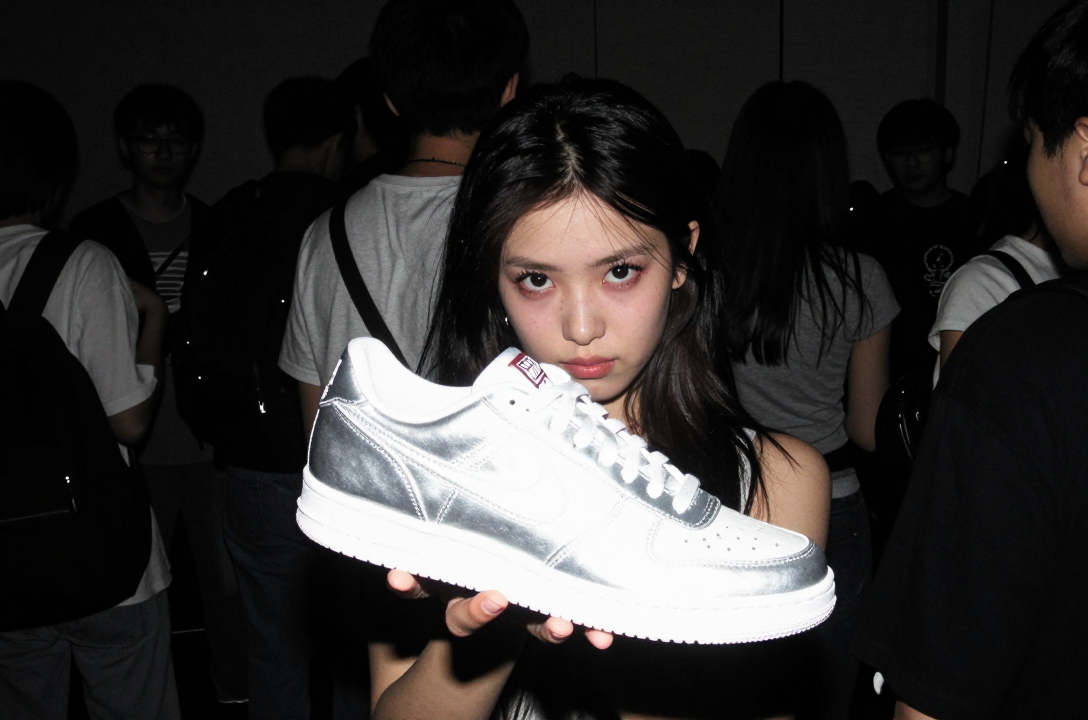
The era of the perfectly curated, softly-lit product reveal is dead. In the world of high-end streetwear and limited-edition drops, authenticity is the ultimate currency, and nothing screams “real” and “right now” like a photograph that looks like it was yanked from a 2003 tabloid or a grainy disposable camera roll. This is the phenomenon of the ‘Hype Beast Booth,’ and it represents a profound pivot in how clothing brands are choosing to launch their most coveted items. It is a calculated embrace of the “Anti-Trend”…a raw, often unflattering, and aggressively honest visual aesthetic…that is fundamentally redefining the product launch party from a polished press event into a spontaneous, high-energy, and slightly chaotic cultural moment.
For years, brands chased the unattainable perfection of the Instagram grid: soft natural light, meticulous color grading, and models posed just-so against minimalist backdrops. But perfection has become monotonous. In a digital landscape saturated with images that feel machine-made, the discerning consumer…the true hype beast…is craving grit. They want evidence that they were there, or that the product is so hot it literally broke the camera. This is where the direct flash, or “paparazzi aesthetic,” takes center stage. It’s a deliberate rejection of digital artifice, a visual statement that cuts through the noise of over-edited content.
The appeal of this “Anti-Trend” aesthetic is rooted in two powerful cultural forces: deep nostalgia and a contemporary yearning for unvarnished reality.
The Nostalgia Hook: It’s the visual language of the late 1990s and early 2000s, an era when the only cameras most people owned were cheap, plastic point-and-shoots with a notoriously unforgiving, front-facing flash. This non-diffused light source was a savage tool, casting deep, dramatic shadows, frequently blowing out skin tones, and creating bright, unmistakable highlights. When a brand adopts this look, they are tapping into a potent reservoir of cultural memory: grainy red-carpet photos, blurred club snaps, and the raw energy of celebrity street style before it was managed by stylists and publicists. It carries the weight of history and an implied narrative of secret, high-octane happenings.
The Authenticity Craving: In the current digital climate…where AI photo-editing is ubiquitous and every image is suspect…the harshness of direct flash is a badge of honesty. It shouts, “This was taken right now with zero time for setup or adjustment.” It feels spontaneous and unposed, a deliberate contrast to the immaculate, sun-drenched images that have dominated feeds for the last decade. The deep shadows are part of the story, the blown-out fabric is a trophy of authenticity, and the intense focus on the subject creates an undeniable sense of drama. The aesthetic is the visual equivalent of a lo-fi track: imperfect, rebellious, and immediately evocative, making the event feel less like a brand activation and more like a document of real life unfolding.
For a brand launching a new collection…especially in the streetwear and sneaker space where product scarcity and urgency drive demand…the ‘Hype Beast Booth’ serves a dual purpose. First, it acts as a high-impact, in-event engagement tool. Second, and more importantly, it generates a torrent of raw, brand-aligned User Generated Content (UGC) that effortlessly circulates online.
The Flash Aesthetic as a Marketing Weapon:
Creating Controlled Chaos: The core mechanism of the Hype Beast Booth is the forced flash. Brands set up photo areas…not a traditional step-and-repeat with soft box lighting…but a compact, often dark, space designed to replicate a chaotic, paparazzi-style ambush. The setup uses a camera or phone rigged with an app that forces the flash to fire at maximum intensity for every shot, even in a moderately lit environment. The goal is to aggressively overpower the ambient light, resulting in signature deep, black shadows and the dramatic, stark illumination of the subject.
Highlighting the Product as a Star: Direct flash is unforgiving, but that is its true strength in a product launch scenario. It aggressively magnifies texture. Brands encourage attendees to shoot the pieces…a new jacket, a rare sneaker, or a vinyl logo…under the booth’s harsh light. This light will bounce off specific materials like sequins, metallic finishes, heavy glitter, or high-gloss leather, creating an explosive, dynamic effect. It’s an almost cinematic spotlight, ensuring the product itself is razor-sharp and dramatically rendered, elevating the drama and making the texture of the garment the focal point of the image. The product is not just seen; it is spotlit and examined.
The ‘Caught in the Act’ Effect: The close proximity of the subject to the camera is key. Due to the inverse square law of light, the light from the small, harsh flash falls off rapidly. This means the model or attendee wearing the product is brilliantly illuminated while everything a few feet behind them dissolves into a deep shadow. This enhances the “spotlight” or “caught in the act” effect, isolating the subject and reinforcing the idea of a high-energy, secretive moment. When this image hits social media, it doesn’t look like a staged promo photo; it looks like a genuine, high-value moment captured in a secretive club or late-night street encounter.
Implementing the ‘Hype Beast Booth’: A Brand’s Toolkit
Beyond the basic forced flash, successful implementation of the Hype Beast Booth requires a series of deliberate, “Anti-Trend” decisions that maximize the raw effect:1. Embrace the Red Eye and Imperfection: In conventional product photography, red-eye is a flaw to be corrected. In the “paparazzi aesthetic,” it is a feature. It adds to the raw, uncontrolled, and nostalgic feel of a genuinely spontaneous late-night flash photo. Brands should explicitly instruct their event photographers or the booth software not to correct this. This deliberate inclusion of technical “flaws” reinforces the authenticity narrative.
2. Strategic Underexposure: Even with the flash firing, savvy brands slightly underexpose the shot using manual camera controls. This makes the shadows even deeper and the highlights of the flash pop even more aggressively. It creates a hyper-contrast that reinforces the “spotlight” effect and gives the final image the aggressive, saturated look of a cheap 2000s-era digital camera.
3. Use Flash in Broad Daylight: The ultimate power move for this aesthetic is to not reserve the flash for dark party environments. For the most aggressively contrasting and fashion-forward look, the forced flash is used during the day or under bright overhead venue lights. This technique creates a surreal, hyper-real look where the ambient light and the flash compete, resulting in ultra-deep black shadows and perfectly lit faces. It’s a signature editorial fashion style that gives the image a sense of heightened, almost unnerving reality. This is particularly effective for outdoor or brightly-lit daytime drops.
4. Black and White Conversion as an Afterthought: While shooting in color, many brands find that the high-contrast black and white conversion afterward is highly impactful. The harsh tonal separation created by the direct flash translates beautifully into dramatic monochrome, mimicking the look of classic tabloid photography that had to be printed quickly and cheaply in print media. This gives the content a journalistic, historical feel.The resulting content is a powerful driver of hype. When an attendee posts a ‘Hype Beast Booth’ photo, they are not just sharing an image; they are sharing a piece of perceived, unadulterated reality. The brand is essentially crowdsourcing the raw documentation of its own success. This unfiltered UGC holds more weight and trust with the community than any polished studio campaign could. It’s a rebellion against the carefully manicured, a statement in favor of the real, the raw, and the dramatically lit.
In essence, the ‘Hype Beast Booth’ strategy is a masterclass in leveraging visual imperfection for maximum cultural impact. It’s a calculated decision to step away from the polished grid and embrace a visual language that feels spontaneous, rebellious, and immediately evocative. It is not about taking better photos in the traditional, technically perfect sense; it’s about taking photos with more personality and more story. For streetwear brands, which thrive on an image of exclusivity and authentic street credibility, this visual aesthetic is perfectly right on time. By manually forcing the flash and creating a purposefully harsh environment, brands are capturing a mood, a moment, and a potent hit of digital nostalgia that feels utterly real, cementing the product drop not just as a release, but as an underground, unforgettable experience. The future of hype is unfiltered, and it’s lit by a tiny, aggressive flash.