Tag: Nostalgia

  • The “Mall Mall” Aesthetic: 90s Nostalgia

    The Vibe Check: Why the 90s Mall is Back

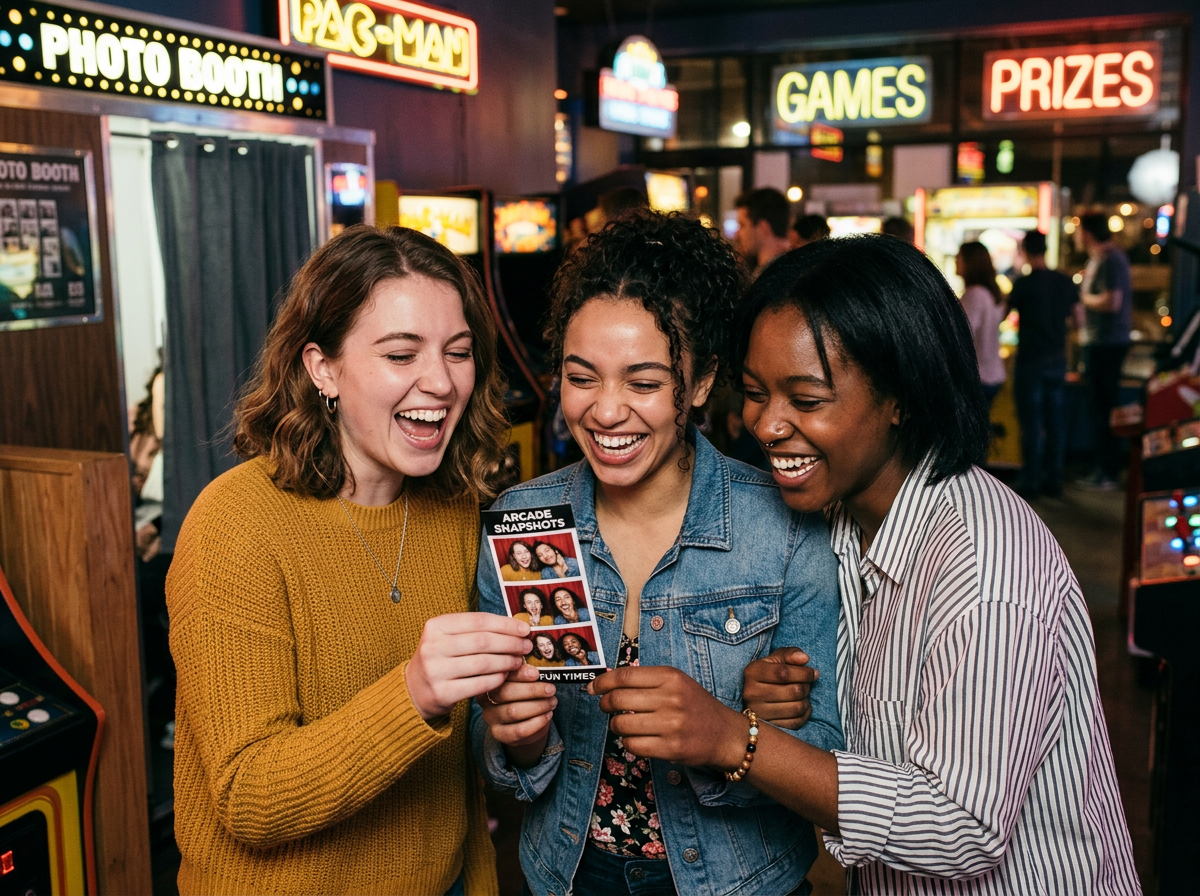
    The late 1990s mall was more than just a place to shop; it was the air-conditioned, neon-lit social epicenter for an entire generation. It was the smell of soft pretzels mixing with cheap cologne, the thumping soundtrack of pop-punk, and the satisfying clack of chunky platform sneakers on the tiled floor. This is the feeling the “Mall Mall” aesthetic captures…a deliberate, stylized flashback to that golden era of casual consumerism and teenage autonomy. In a world saturated with highly curated, minimalist feeds, the maximalist, slightly chaotic, and utterly human energy of the 90s mall photo booth is hitting differently. We’re craving the low-stakes, high-fun authenticity of a time before smartphones, when photo booths were the only place you could get a truly instant, physical memory with your friends. This trend isn’t just about fashion; it’s about recreating a feeling of freedom, an “after school” vibe where the only thing on the agenda was hanging out and making a memory. It’s a nostalgic rebellion against the curated perfection of today, and it starts with your outfit and ends with the perfect 2×2 grid.

    Styling for the “Mall Mall” Vibe

    To fully embody this aesthetic, your clothing needs to scream “just got off the bus and have three hours to kill.” It’s less about high fashion and more about mixing textures, embracing bold colors, and piling on accessories from your favorite mall kiosk.1. Denim, Everywhere: Forget form-fitting silhouettes; the foundation of this look is relaxed, light-wash, and probably a little baggy. The denim of the 90s had a specific weight and wash that felt effortlessly cool.

      * The Overalls: The easiest entry point. Wear them with one strap unhooked...it was the universal symbol for casual cool...and a brightly colored tee underneath. Cuffed hems are a must.<br />
      * High-Rise Mom or Carpenter Jeans: Look for a fit that is loose through the hip and leg. Cuffed at the ankle is essential to show off a pair of classic white crew socks and your chosen footwear. These pants are all about comfort and function, perfect for sitting on a bench for hours.<br />
      * Denim Jackets: Oversized, faded, and potentially covered in patches or enamel pins. For the perfect slouch, throw it over one shoulder or tie it around your waist. The faded wash is critical; it should look like it’s been through a thousand washes.
    
    1. Neon Pop: The 90s didn’t do subtle, especially under the fluorescent lights of the food court. Layering neon pieces brings that classic, synthetic mall lighting to life.
      • Turtlenecks and T-Shirts: Use neon green, hot pink, or electric blue tees or turtlenecks under your denim or mesh tops. The key is strategic layering. A bright mock-neck under a chunky cardigan or a neon stripe peeking out from under a graphic tee provides that necessary pop.
      • Windbreakers and Anoraks: These are essential outer layers, even when it’s not windy. Choose one with bold, geometric color blocking. The crinkly texture adds another layer to the aesthetic. Roll the sleeves up to the elbow for maximum attitude.
    2. Chunky Footwear is Non-Negotiable: You need shoes built for pacing the mall for hours.
      • Platform Sneakers: The undisputed champion of the 90s mall floor. Think thick white soles, a slightly beat-up look, and perhaps a Velcro strap. Brands with an athletic or skate heritage are perfect. They literally elevate your style.
      • Combat Boots: The grunge edge to the aesthetic. Pair them with floral mini-dresses or skirts for a softer contrast. The lacing should look slightly undone.
      • Jelly Sandals: For a more playful, early-90s look, or colorful athletic slides with branded socks. The key is visible, bold footwear.
    3. Accessorize Like It’s 1999: This is where you finalize the look and add personality. The accessories of the “Mall Mall” aesthetic are often plastic, playful, and layered on.
      • Scrunchies: Mandatory. Use a velvet scrunchie in a high ponytail, a messy bun, or piled up on your wrist. The bigger the bow or flower, the better.
      • Mini Backpacks: The smaller and more impractical, the better. Bonus points if it’s metallic, velvet, or clear plastic. It’s for carrying your Lip Smackers and quarters for the arcade.
      • Chokers: Specifically the black velvet band or the stretchy, plastic “tattoo” variety that everyone bought at the same kiosk. Layer them with a long, thin necklace featuring a yin-yang or a sun/moon pendant.
      • Lip Gloss and Hair Clips: Not just makeup, but critical accessories. The shinier the lip gloss (bonus for flavored), the more on-brand. Snap or butterfly clips should be liberally applied to frame the face.The ZillaBooth 2×2 Grid: Replicating the Photo Booth Moment

    The physical photo booth…that cramped, curtained-off machine…was the original social media. It was where you captured true friendship and immediate, unedited joy. The key feature was the strip of four sequential, tightly framed images. This is where the ZillaBooth app, with its specific 2×2 grid feature, becomes the perfect digital vehicle for the “Mall Mall” aesthetic. It simulates the constraints and spontaneity of the original.1. Frame It Tight: The magic of the photo booth was the close crop. To nail the look, you must fill the frame.

      * Get Close: The 2x2 grid format naturally demands you fill the frame. Gather your friends tightly, shoulders touching and faces near the lens. Your expression should dominate the individual squares.<br />
      * Use the ZillaBooth Timer: The actual photo booth worked on a timed delay, often catching people mid-pose or with a spontaneous, slightly surprised reaction. Use the app's delay function so you can't see the exact moment the photo snaps, guaranteeing a more candid, less posed expression.
    
    1. Master the Four Poses: The 2×2 grid is a micro-story in four parts. Plan your progression to capture the true mall energy: a moment of shared, uninhibited fun.
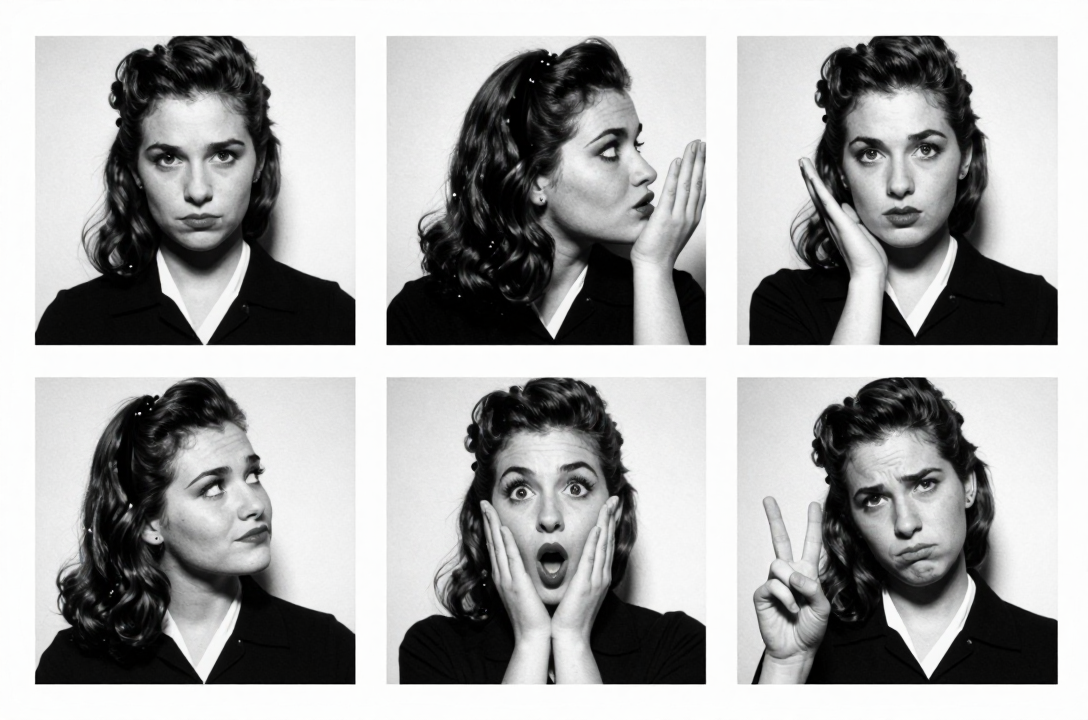
      • Pose 1: The Serious Stare. Start by looking directly into the camera with a neutral, slightly moody expression. A head tilt is optional. This sets up the tension, mimicking the typical “let’s look cool” first shot.
      • Pose 2: The Sudden Silly. The first spontaneous burst of energy. Maybe a tongue-out, a ridiculous hand gesture, a sudden peace sign, or a fake gasp. This breaks the mood and injects the casual fun.
      • Pose 3: The Friendship Cuddle. Get even closer, lean heads together, maybe a playful pinch of the cheek, or a dramatic hand-on-hip pose. This is the warmth and intimacy of the “after school” hangout, a testament to your bond.
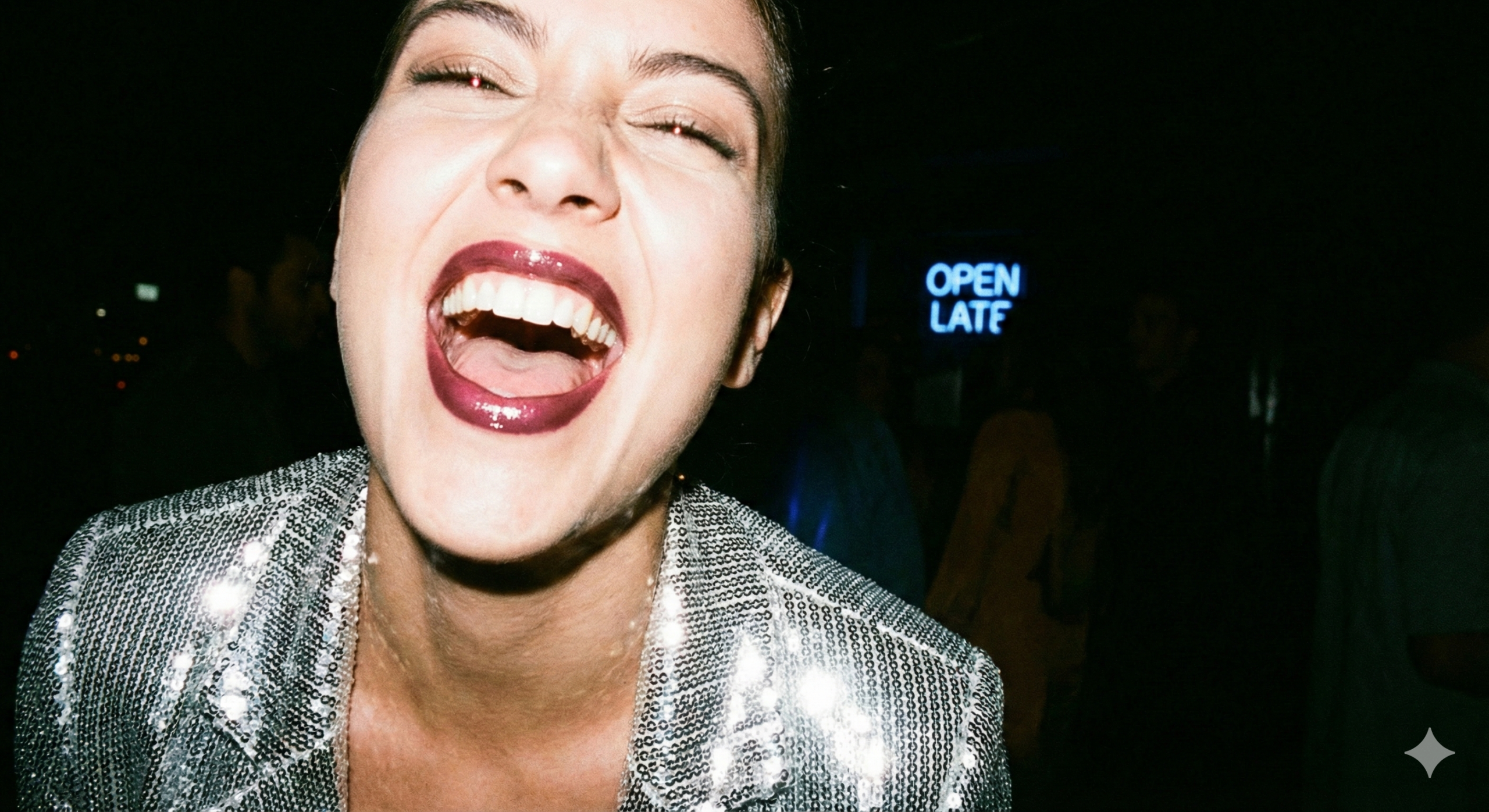
      • Pose 4: The Shared Laugh. The perfect finale. Something in the middle squares made everyone genuinely crack up. This shot captures the uninhibited, authentic laughter that defines the whole era.
    2. Lighting and Contrast: The booth photos were never technically perfect. They were often washed out, slightly too dark, or had weird color shifts. This imperfection is the goal.
      • Flash is Your Friend: The single most important step. Turn on the ZillaBooth flash function to mimic the booth’s harsh, direct, and non-diffused light source. This will flatten the image, create distinct, deep shadows behind you, and bring out the texture in your denim and the shine of your accessories…just like the original.
      • Vintage Presets: Use a low-saturation filter to give the photo a slightly faded, film-like quality. The original prints weren’t high-definition, and yours shouldn’t be either. Aim for a slightly green or magenta tint around the edges, adding to the synthetic glow.The “Mall Mall” aesthetic is a rebellion against the pressure to be perfectly polished online. It’s a return to an era where fun was analog, fashion was loud, and your greatest concern was whether you had enough quarters for a soft drink and the arcade. By combining the unmistakable style cues of 90s denim and neon with the specific, unpolished, and sequential framing of the ZillaBooth 2×2 grid, you don’t just take a photo…you capture a pure, concentrated hit of after-school nostalgia. It’s more than a trend; it’s a love letter to the last great era of genuine teenage hangouts, perfectly packaged for a new generation.
  • The 4-Pose Challenge: A History of Photo Booth Posing

    The 4-Pose Challenge: A History of Photo Booth Posing

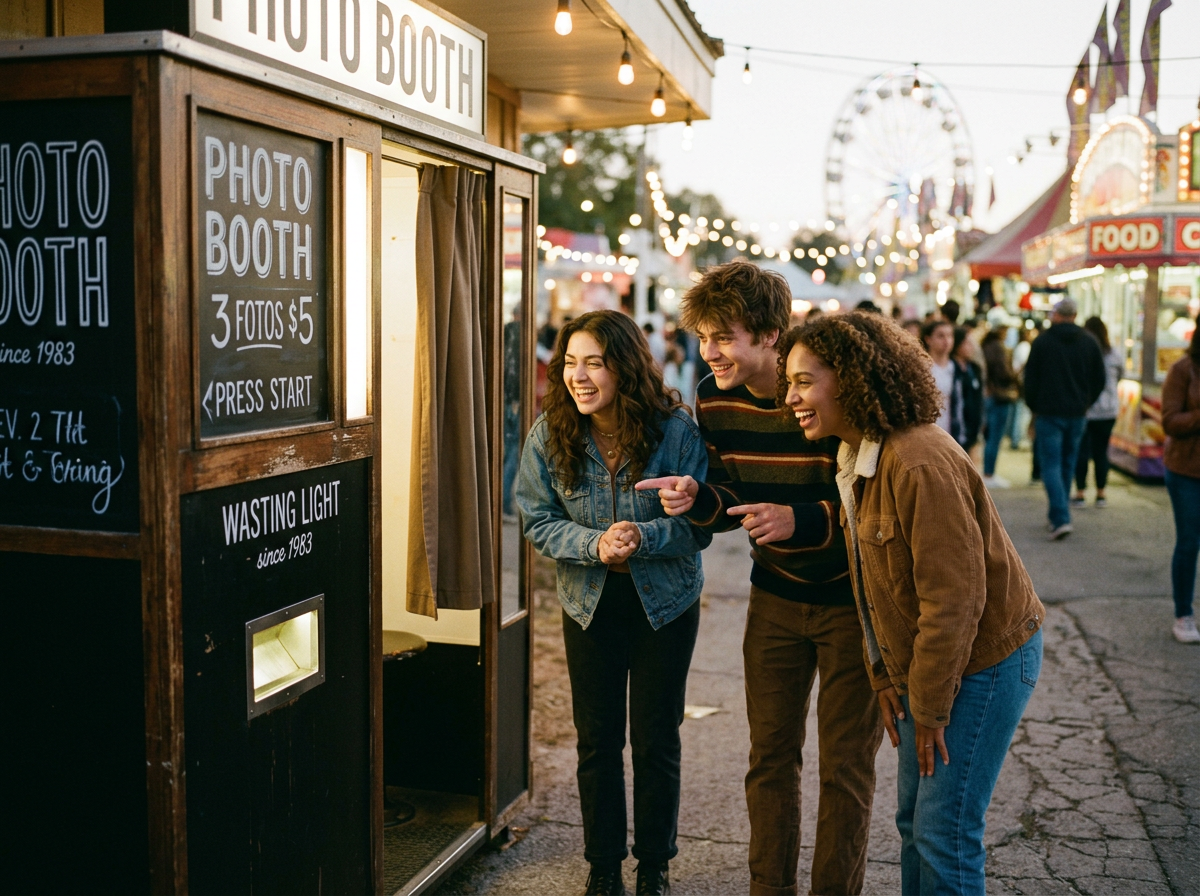
    Long before phone cameras gave us a million takes and filters could erase a shadow, there was the photo booth. A simple, curtained-off enclosure that offered four flashes, four moments, and one strip of undeniable, unfiltered truth. It was more than just a novelty; the photo booth became a democratic canvas, a stage for cultural expression, and an accidental time machine, perfectly chronicling the evolution of how we present ourselves to the world.

    We all know the ritual: You pay your coin, pull the curtain, and suddenly the pressure is on. Four poses. A countdown begins. What do you do?

    The way people answered that question changed dramatically from decade to decade. The poses, the expressions, the proximity…they weren’t random; they were a direct reflection of the social, cinematic, and artistic trends of the era. To celebrate this history, we’re launching the ultimate style guide and fun experiment: How to Pose Like Every Decade, perfectly timed and executed using ZillaBooth’s unique in-app countdown feature.

    Your mission, should you choose to accept it, is to step into your ZillaBooth…whether in real life or via the app…and dedicate each of your four precious flashes to a specific decade. Ready to travel through time without leaving your seat?

    Flash One: The Stiff Upper Lip (The 1920s & 1930s)

    The first automatic photo machine, or “Autophotograph,” opened in New York City in 1925. In its earliest days, getting your picture taken was still a serious, formal affair. Photography was expensive, and the tradition of the studio portrait…where you stood stock-still for minutes…had not yet faded. The mood was less “fun” and more “proof of existence.” People viewed the resulting image as a legacy piece, something that needed to convey dignity, not fleeting joy.

    The Pose: Think of silent film stars and passport photos.1. The Head-On Gaze: Look directly and unsmilingly into the lens. The technology was slow, and holding a genuine, relaxed smile for the duration was physically uncomfortable, leading to the serious, almost somber expression we associate with early photography. Smiles were considered undignified for formal portraits.
    2. The Stiff Spine: Shoulders back, chin slightly down, and zero slump. Posture was paramount. Even when sitting with a partner, there was often a visible inch of space between bodies, a relic of Victorian formality that lingered in public life.
    3. The Somber Expression: No teeth, no exuberant joy. A subtle, almost stoic expression conveys respectability and maturity. The focus is on the architecture of the face, not the emotion.How to Execute with ZillaBooth: Use the first flash for your most formal, head-of-state portrait. The ZillaBooth timer gives you just enough time to perfect your posture and set your gaze, reminding you that this pose is about solemnity, not spontaneity. Challenge yourself to keep your eyebrows neutral and your jaw relaxed, avoiding any hint of a smile. This pose is the most historically challenging, forcing you to suppress modern instincts for cheerfulness.

    Flash Two: The Wartime Sweetheart (The 1940s & 1950s)

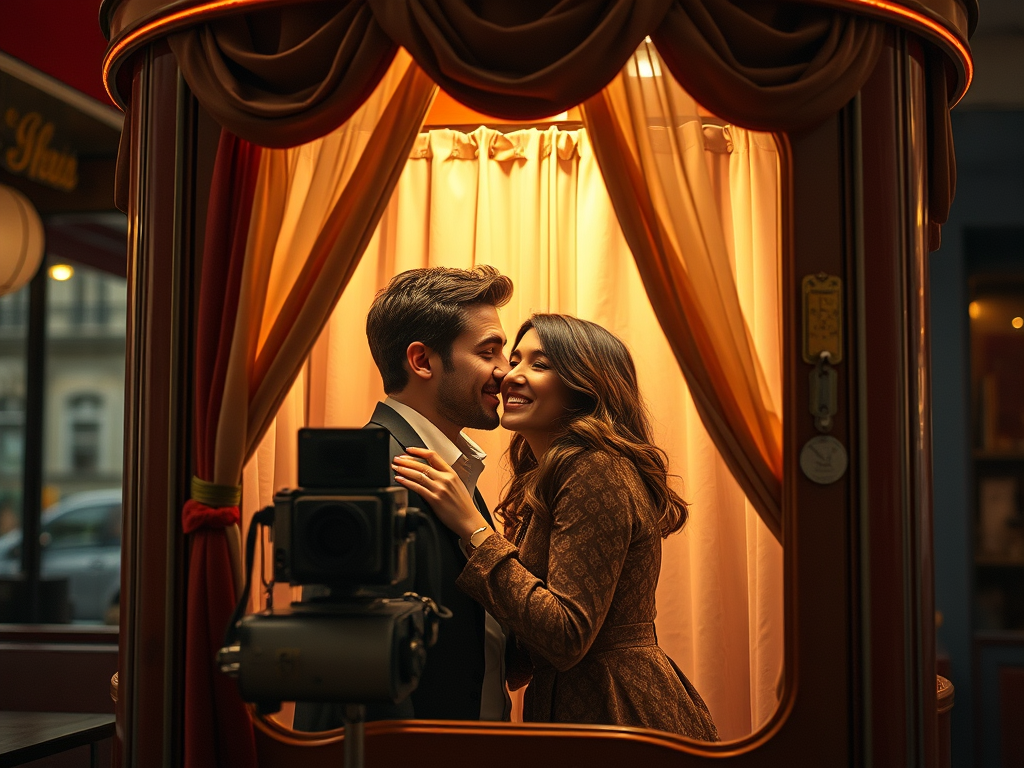
    The photo booth took on a new, deeply sentimental significance during World War II. For soldiers shipping overseas and the loved ones they left behind, a photo strip became a precious, tangible token of intimacy. The booth was no longer just for formal portraits; it was a private place for emotional connection, a final moment of contact before separation. This era gave rise to the classic, intimate “kiss strip,” a raw form of documentation that spoke to the era’s emotional intensity.

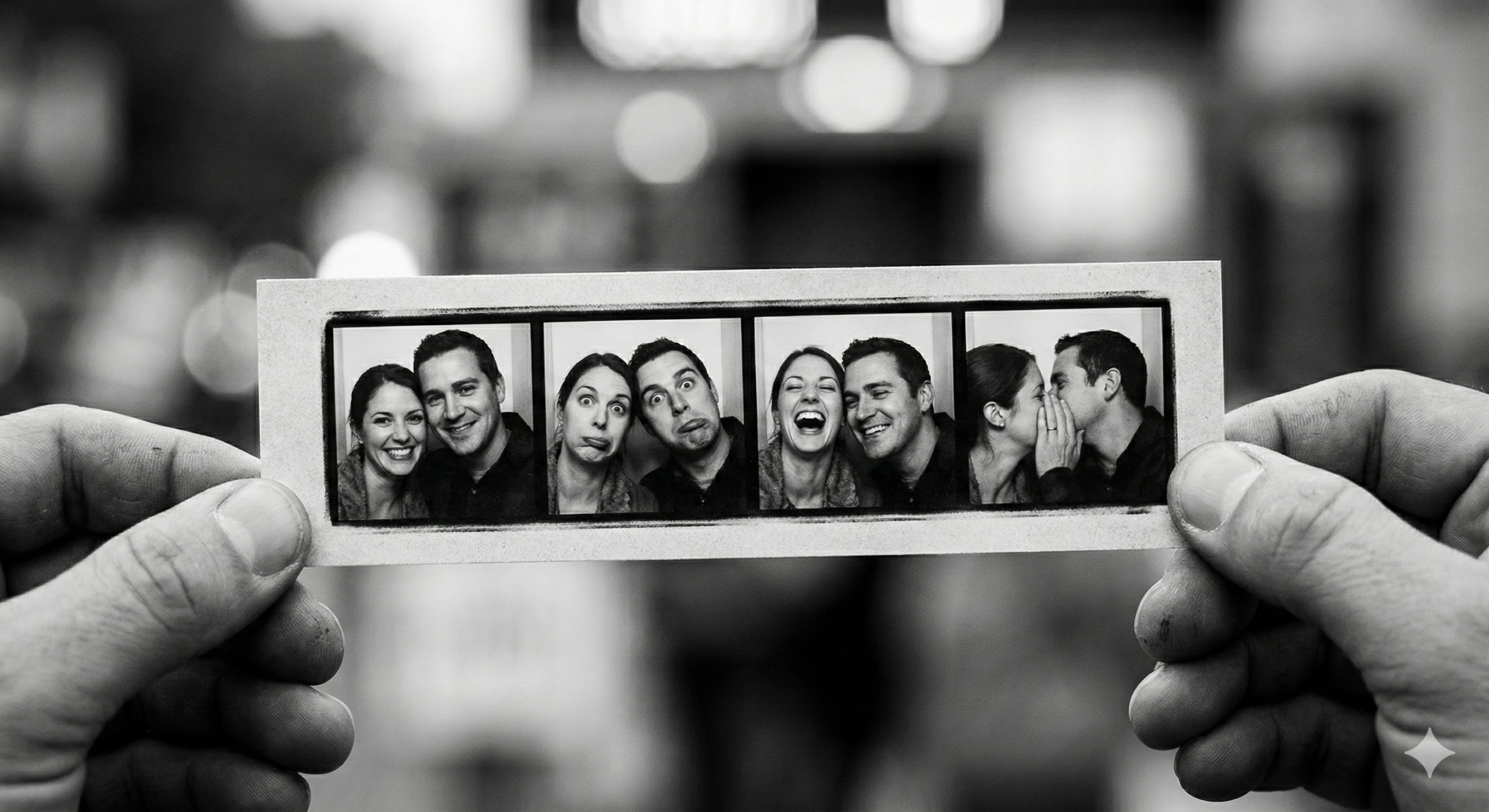
    The Pose: Focus entirely on the human connection…this is where posing begins to get playful and deeply emotional.1. The Shared Close-Up: Partners squeeze tightly together to ensure both faces are in the frame, often pressing cheek-to-cheek. This physical closeness was a direct, necessary contrast to the formality of the prior decade. The focus is exclusively on the two individuals.
    2. The Classic Kiss: The most iconic pose of the era. A deep, long-lasting kiss that lasted for multiple flashes, often with eyes closed to heighten the sense of privacy. Alternatively, the “Forehead Press,” where two heads touch, eyes closed, conveying deep affection and reliance.
    3. The Dramatic Prop: This era was heavily influenced by film noir. A cigarette, a fedora, a letter from the front, or a flower could be held, adding a cinematic, bittersweet drama to the moment, hinting at the context outside the curtain.How to Execute with ZillaBooth: If you’re alone, use the frame to capture an emotional moment with a hand gesture (a heart shape or a dramatic wave of farewell). If with a partner, challenge yourself to hold the kiss for the first two flashes after the ZillaBooth timer goes off, recreating the timeless romantic reel. The proximity is crucial; you should fill the frame.

    Flash Three: The Rebel’s Edge (The 1960s & 1970s)

    The rise of youth culture, rock and roll, and the counter-culture movement injected a new, playful, and often chaotic energy into the photo booth. This was the era of the ‘go-go’ pose…rapid, chaotic, and brimming with personality. Poses began to borrow heavily from magazine covers, album art, and fashion photography, becoming more performative. The goal was no longer dignity, but attitude and showing off one’s ‘groovy’ personality.

    The Pose: Think Twiggy, Andy Warhol, and Studio 54 disco queens. The poses are sharp, angular, and often feature the hands.1. The Exaggerated Reaction: Hands fly to the face…a shocked open mouth, eyes widened, a tongue might stick out. The expressions are intentionally over the top and designed to be funny or provocative. This is a move toward embracing imperfection.
    2. The Head Tilt and Chin Prop: The classic “pensive” or “intellectual” look. Tilt the head dramatically and rest the chin on a fist or open palm. It’s an intellectual-meets-model moment, often looking away from the camera for an aloof effect.
    3. The Side Profile: Instead of facing the camera, subjects would turn to the side and look ‘out of frame,’ adding an element of mystery or high-fashion drama, mimicking candid shots by a photographer.
    4. The Peace Sign: While fully embracing the 90s, the peace sign had its roots here, used as a sincere symbol of anti-war and counter-culture sentiment, often combined with long, flowing hair obscuring the face.How to Execute with ZillaBooth: Use the ZillaBooth’s flash notification sound as a trigger for a dramatic switch in attitude. Start calm, then when the timer counts down, switch to an exaggerated expression or a sharp profile turn. The speed of the pose change is key to capturing the chaotic, restless energy of the era. Aim for a graphic, bold silhouette against the background.

    Flash Four: Pop Culture Irony (The 1980s & 1990s)

    This is the era that cemented the photo booth as a truly iconic pop culture staple, largely thanks to its prominence in malls, arcades, and movies like Clerks and Amelie. The poses became self-aware, ironic, and often a parody of celebrity culture. The 80s brought big hair, bold makeup, and power poses, and the 90s ushered in grunge, anti-fashion, and a universal hand gesture that reigns supreme: the peace sign. This is the last stop on our historical tour before the digital selfie revolution.

    The Pose: A complex mix of super-confidence (80s) and complete apathy (90s).1. The Power Shrug (1980s): A flash of dramatic shoulder-pad posture, a hands-on-hips stance, and an intense, direct glare. This pose is about projecting ambition and saying, “I’m important, and I know it,” even if the subject is a teenager in acid-wash jeans.
    2. The Peace Sign (1990s): The most essential element of the challenge. The peace sign went from a serious symbol to a casual, ubiquitous placeholder for “Hey, I’m here.” Hold it up next to your face, slightly off-center, with a genuine sense of relaxed irony.
    3. The Duck Face / Kissy Face (Pre-Selfie Era): A precursor to modern posing. Pout the lips slightly for an exaggerated, playful kissy face. Crucially, in this era, it was often done ironically to mock the idea of ‘sexy’ posing, not seriously.
    4. The Group Huddle: Squeezing three or four people into a tiny booth, all looking in different directions, was a badge of social honor. The goal was to maximize the chaos and make sure everyone’s hair was perfectly visible.How to Execute with ZillaBooth: For this flash, go full 90s. Use your ZillaBooth timer to nail the perfect peace sign right as the light fires. For the ultimate nostalgic touch, pair your peace sign with a genuine shrug and a deadpan expression. The ZillaBooth’s countdown is the perfect cue for the spontaneous-yet-practiced casualness of the 90s aesthetic.—–The 4-Pose Challenge: Your ZillaBooth Checklist

    Ready to put history into practice? Here is your quick-fire checklist for the ultimate 4-Pose Photo Booth Challenge, using the ZillaBooth in-app timer to control your flashes and ensure authentic, high-pressure results.

    Step 1: Set the Stage
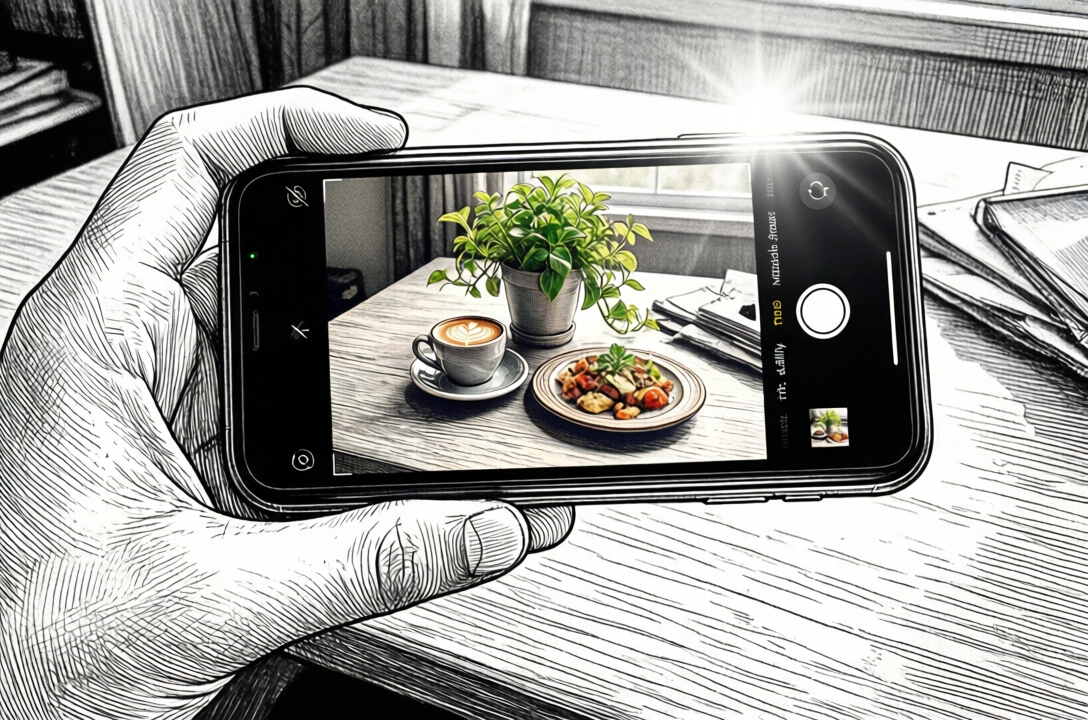
    Find your best photo booth environment…a real booth, the ZillaBooth app, or a simple wall with direct, harsh lighting. Use the ZillaBooth app’s countdown timer, which perfectly replicates the high-stakes pressure of the classic four-frame strip.

    Step 2: Pose Like a Puritan (The 1920s) * The Pose: The Serious, Formal Stare.
    * Action: Shoulders back, chin level. Look straight at the lens. Zero smile. Look like you’re posing for a marble bust that will be placed in a library. Hold your breath for the flash.
    * ZillaBooth Cue: When the countdown hits 1, freeze and hold the stare with complete stillness.Step 3: Pose Like a Soldier’s Sweetheart (The 1940s) * The Pose: Intimacy and Emotion.
    * Action: If alone, a hand dramatically covering half your face, eyes looking up with longing. If with a partner, squeeze in close and execute a tight, affectionate cheek-to-cheek pose, or a partial kiss that gets cut off by the frame.
    * ZillaBooth Cue: Use the last two seconds of the timer to adjust your hand or head placement for maximum dramatic, film-noir effect before the flash.Step 4: Pose Like a Pop Artist (The 1970s) * The Pose: Attitude and Profile.
    * Action: A sharp 45-degree turn of your head to the side. Chin up, a slight, knowing smirk. This is your ‘high-fashion’ moment. Alternatively, flash an exaggerated ‘gasp’ with hands pressed to your cheeks.
    * ZillaBooth Cue: Do a rapid, sharp turn into the profile pose just as the timer ends…the sharper the movement, the better the moment will look in the final, fixed frame.Step 5: Pose Like You’re Over It (The 1990s) * The Pose: Casual Irony (The Peace Sign).
    * Action: A relaxed shoulder shrug, a slight head cock, and the classic, two-fingered peace sign held casually up next to your eye or cheek. Your expression should be completely deadpan or slightly amused, embodying the era’s anti-effort cool.
    * ZillaBooth Cue: Hold this relaxed pose for the full countdown. This pose is about studied casualness; no last-second change is needed. Let the timer count down while you look unimpressed.The photo booth strip, across a century of change, has always been the visual scrapbook of human interaction. It’s a spontaneous moment, forever encased in glossy paper. By taking The 4-Pose Challenge, you’re not just taking four pictures; you’re honoring the history of self-expression, from the dignified silence of the Jazz Age to the ironic flash of the Grunge era. Now go, get into your ZillaBooth, and show us how you pose like every decade! Don’t forget to share your 4-Pose strip with the hashtag #ZillaBoothChallenge!

  • Film Photography Vibes: Why We Still Love the “Grain”

    Film Photography Vibes: Why We Still Love the “Grain”

    In an era dominated by instantaneous, high-resolution, and algorithmically perfect digital images, a surprising and deeply satisfying trend has taken hold: the resurgence of film photography. It’s more than a mere aesthetic choice; it’s a cultural counterpoint to the relentless pursuit of digital perfection. We have reached peak clarity. Our smartphone cameras, powered by computational wizardry, correct for every flaw, banish every shadow, and smooth every texture. And yet, what we truly crave are the imperfections…the light leaks, the accidental blur, the soft colors, and, most importantly, the inimitable texture of the “grain.” This craving is not just for the look of film, but for the feeling of it, and a new generation of users is discovering that the power of a tangible visual keepsake is far greater than that of a file saved in the cloud.

    The comeback of film is intrinsically linked to nostalgia…specifically, the nostalgia for a time when photography was deliberate, limited, and resulted in a physical object. A roll of film was finite. Each click of the shutter carried a cost and a risk. You wouldn’t know what you had until it was developed. This deliberate, slow, and physical process is the antithesis of modern digital photography, where we shoot hundreds of photos and immediately delete ninety-five of them, never truly bonding with the few we keep. The “grain”…that beautiful, organic texture resulting from silver halide crystals on film…is the fingerprint of that analog process. It signals authenticity, imperfection, and a moment captured without the heavy hand of over-editing. It is an aesthetic of trust: trust in the moment, trust in the light, and trust in the process.

    But the film phenomenon runs deeper than just texture and color palettes. It’s about the form in which these memories are kept. When we think of vintage photography, we picture stacks of Polaroids, shoeboxes of printed 4x6s, or even slides. These objects have weight, a scent, and a distinct physical presence. They can be held, shared, and rediscovered years later. In this space of profound digital fatigue, where our photos are trapped in an endless, undifferentiated stream on a phone’s camera roll, the desire for a physical, defined, and shareable format has become a dominant psychological need. We want keepsakes, not data.

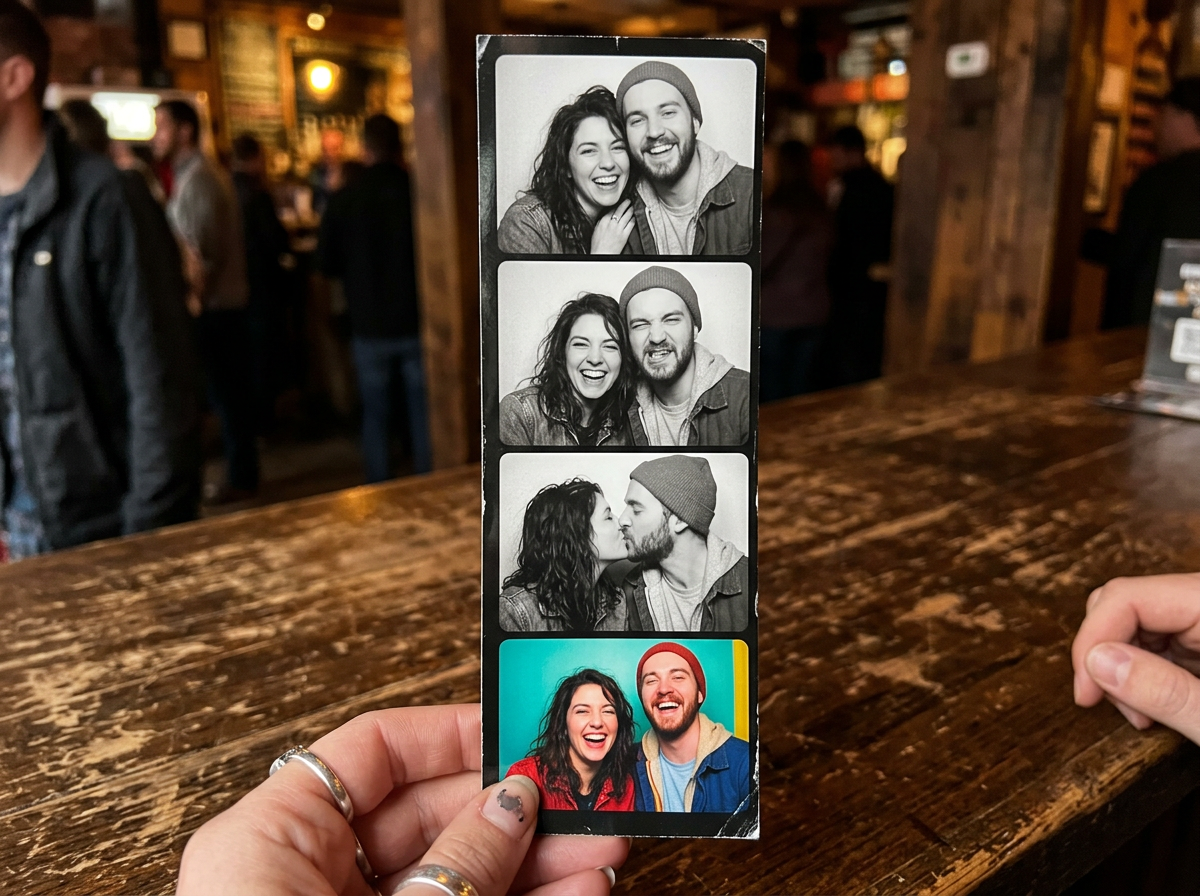
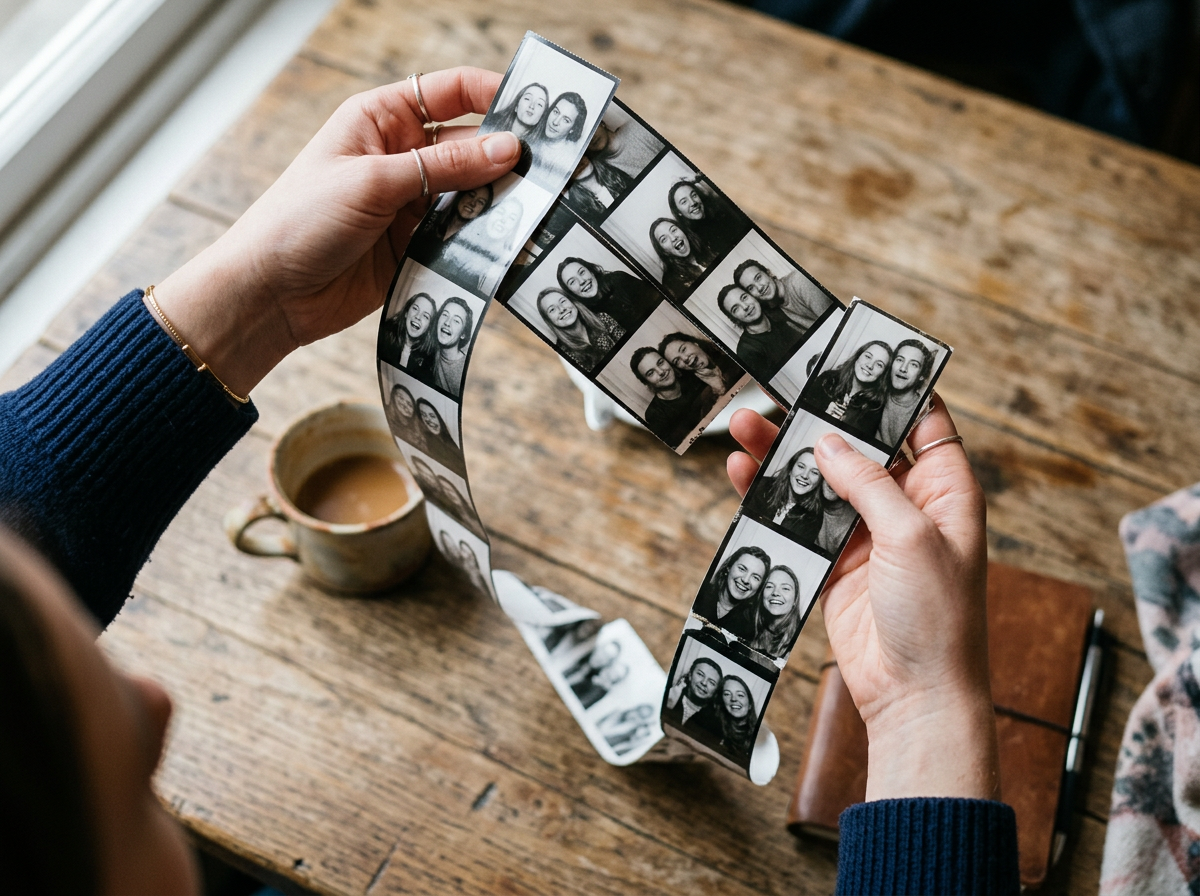
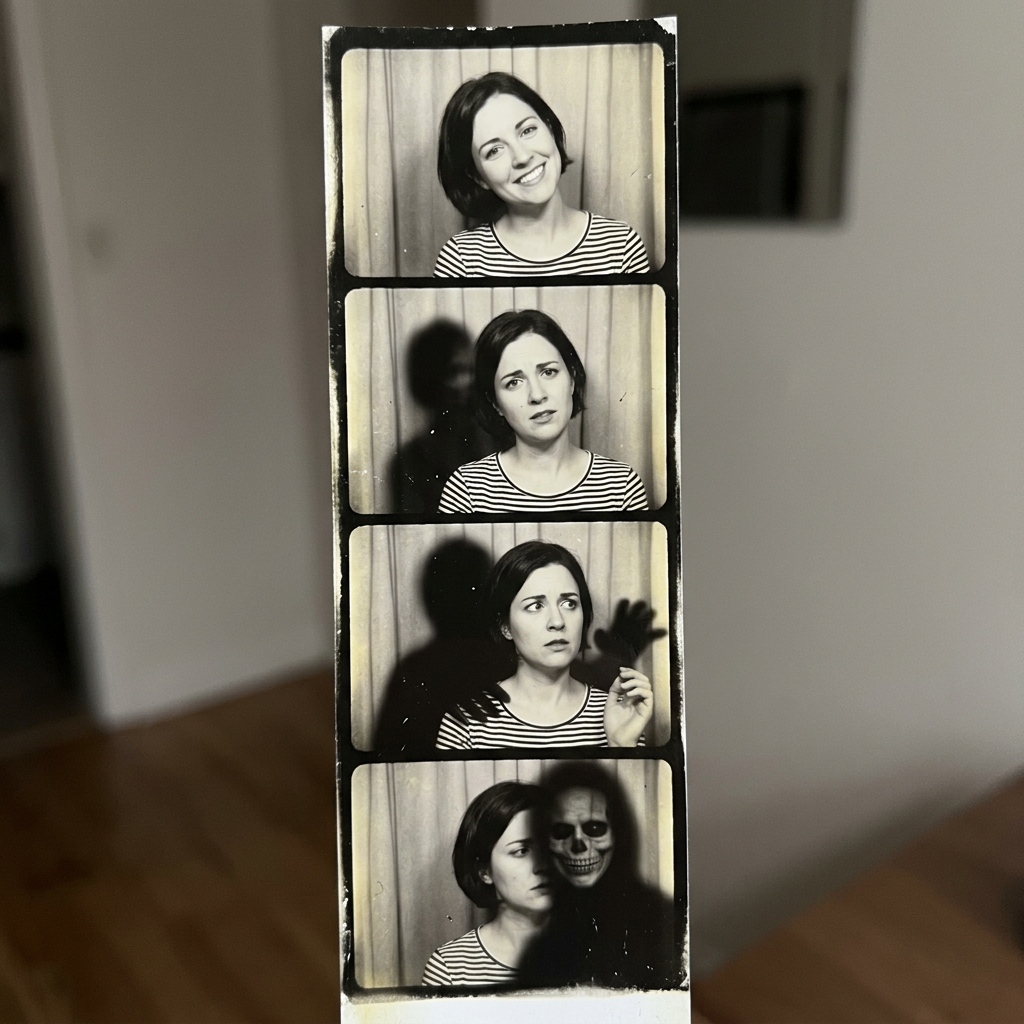
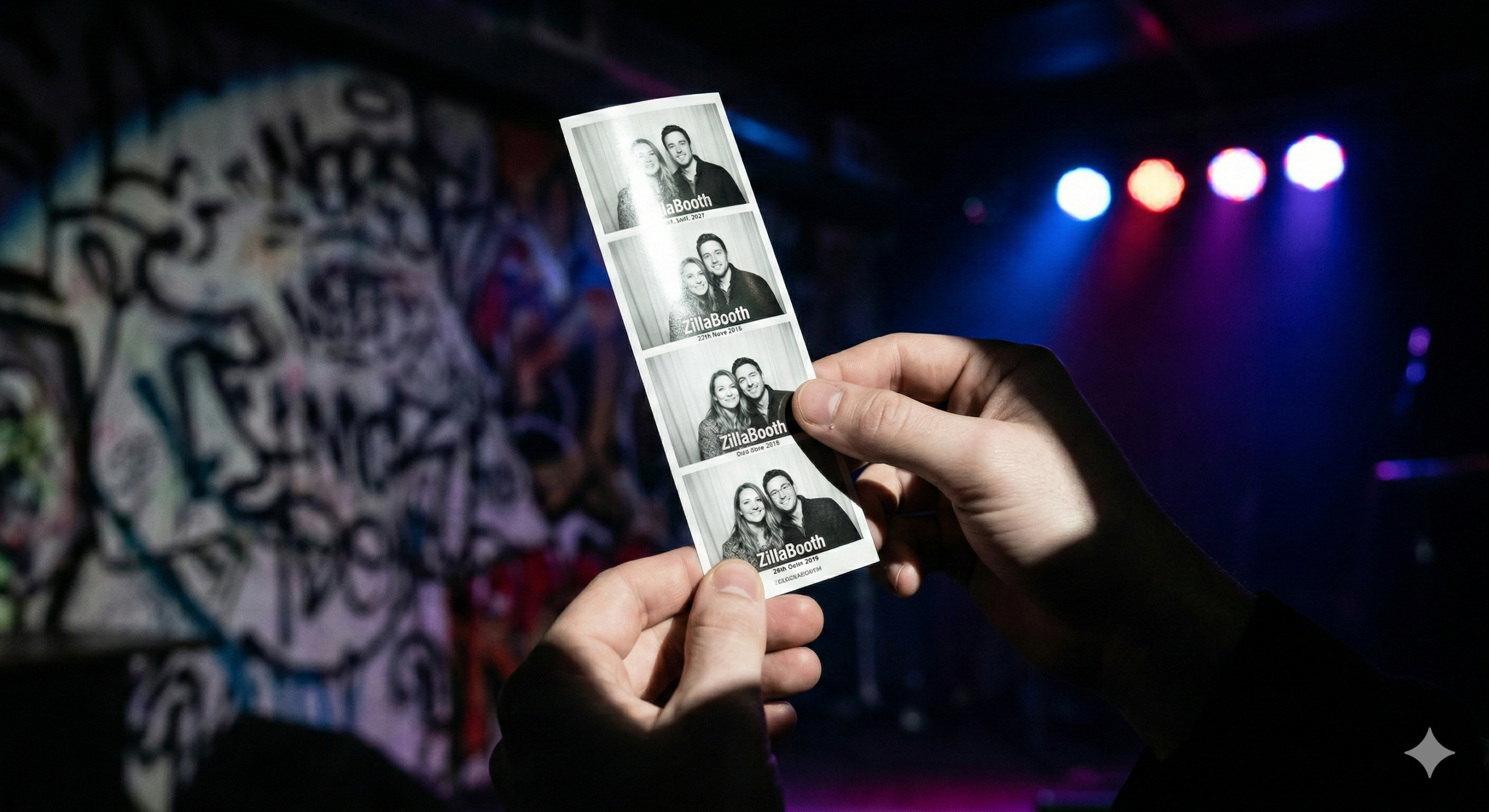
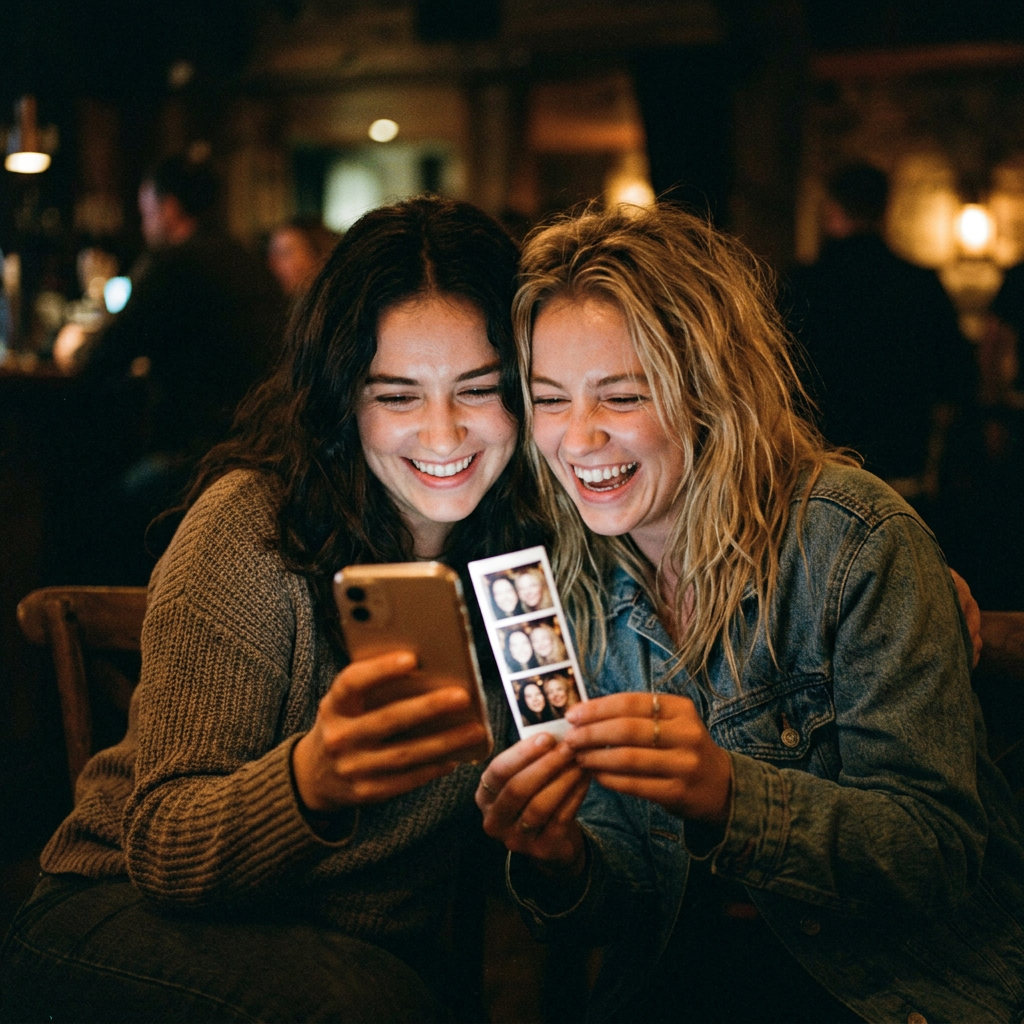
    This is where the venerable photo booth and its classic 1×4 film strip format re-enters the conversation, not just as a novelty, but as a powerfully resonant memory vessel. The photo strip is perhaps the ultimate example of a “tangible visual keepsake.” It is a cultural icon. Think about it: four small, square images, arranged vertically, connected by the chemical-stained border of the strip. Each image is a mini-narrative…a progression of goofy faces, shared kisses, or spontaneous bursts of laughter. The strip itself is slender, easily pocketed, tacked onto a corkboard, or slipped into a wallet. It is inherently personal, collectible, and utterly resistant to the tyranny of the digital feed. The magic of the photo strip is that it forces a moment of performance and finality. You get four shots, and that’s it.

    The genius of ZillaBooth Pro is its recognition of this cultural demand, translating the spirit and physical constraints of the classic analog photo booth into a powerful, accessible modern tool. The key element is its signature 1×4 strip layout. By deliberately structuring the digital output into this instantly recognizable format, ZillaBooth Pro doesn’t just mimic the look of a physical strip; it satisfies the psychological craving for that defined, tangible keepsake.

    When a user selects the 1×4 strip layout in ZillaBooth Pro, they are not just selecting a template; they are opting into a curated experience that replicates the scarcity and progression of the analog process. The app guides the user through four distinct, sequential captures. This process encourages spontaneity and performance in a way a single digital shot never could. The images are meant to tell a story: the first shot is often the most controlled, the final two are the most expressive and relaxed.

    Crucially, the ZillaBooth Pro output is designed for both digital sharing and, more importantly, for physical printing. A traditional digital image file is an undefined, boundless entity. A ZillaBooth Pro 1×4 strip file, however, is a pre-formatted, printable object. When printed, the strip emerges as a perfect, standardized visual artifact, ready to be pinned up, given away, or archived. This direct translation from screen to object is the core of its appeal. It bypasses the complexity of a regular photo printer, eliminating questions about cropping, size, and aspect ratio. You hit print, and you have your tangible keepsake. This streamlined process is essential for bridging the gap between digital ease and analog desire.

    Furthermore, ZillaBooth Pro enhances the nostalgic experience by layering in film-emulating effects that work perfectly within the high-contrast photo booth context. Users can apply filters that introduce realistic digital “grain,” subtle vignettes, and color shifts that mimic the aging or imperfect chemical development of film stock. The application often incorporates the classic high-contrast black and white look…a staple of vintage photo booths…which inherently enhances the dramatic, raw, and spontaneous feeling associated with physical media. When these grain and color filters are combined with the rigid structure of the 1×4 layout, the final product feels less like a photo and more like a cherished piece of history, instantly created.

    The ZillaBooth Pro’s focus on the 1×4 strip is a brilliant move that addresses the limitations of the modern digital landscape. In the vast, infinite scroll of a social media feed, a single photo is easily lost. But a photo strip…especially one featuring the iconic texture and visual progression of the ZillaBooth Pro output…demands attention. It is a visual blockquote, a curated micro-gallery of a moment, and its distinct shape makes it a statement piece. It’s an instant signifier of fun, retro charm, and intentional memory-making.

    For many, the app’s value lies in its ability to recapture the communal, shared experience of the photo booth. We are drawn to film because it is a shared experience. You take photos with friends, you wait for the final strip, and you instantly divide the tangible memory between you. ZillaBooth Pro allows for this same dynamic interaction: friends gather, pose, and see their four-shot story unfold, culminating in a printout that is immediately split and treasured. It transforms a solo digital activity back into a group performance, forging stronger emotional links to the resulting images.

    In conclusion, the passion for film photography and the enduring appeal of the “grain” is not a fleeting trend but a significant shift toward value, substance, and tangibility in our digital lives. ZillaBooth Pro has successfully tapped into this desire by recognizing that the format is just as important as the content. By standardizing the output to the nostalgic, powerful 1×4 strip, and overlaying it with authentic film-like textures, ZillaBooth Pro is not simply a camera application. It is a modern engine for generating “tangible visual keepsakes.” It offers users a deliberate, curated, and wonderfully nostalgic way to capture, print, and cherish the moments that matter, rescuing our memories from the infinite, undifferentiated abyss of the digital camera roll and giving them the physical weight and personality they deserve. The grain, in this context, is more than just an effect…it’s the beautiful, imperfect signal that this memory is real, it’s ours, and it’s meant to be held.