

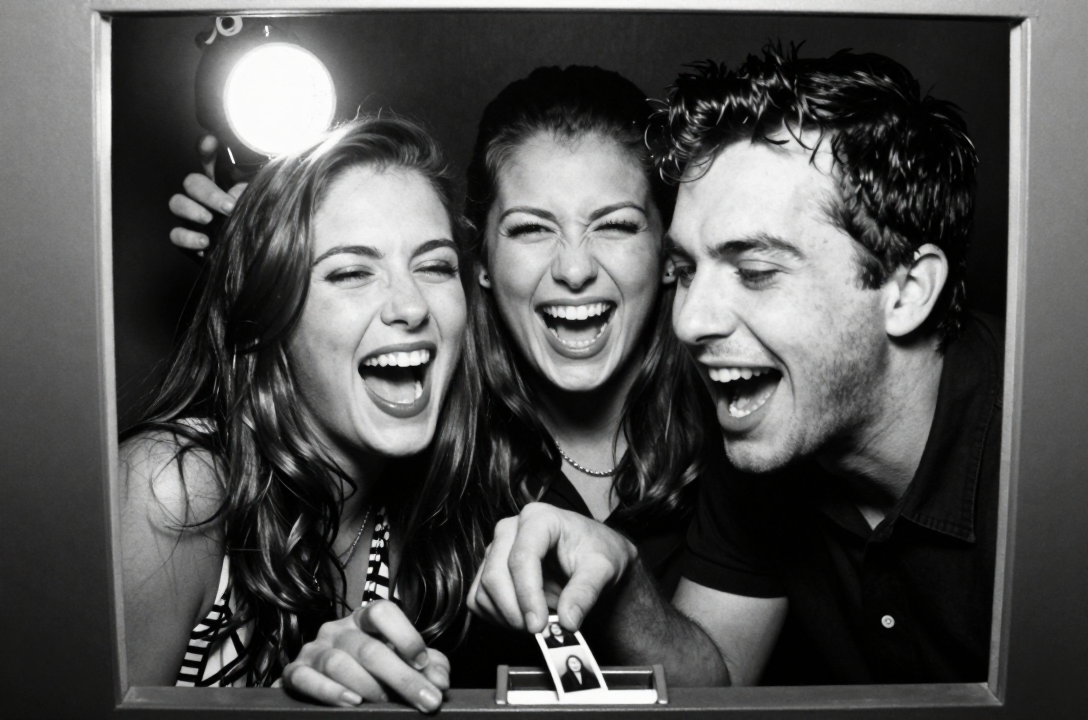
The velvet curtain pulls shut, the coin drops, and a bright, aggressive flash blinds you for a split second, followed by the whirring sound of a machine developing your image. For decades, the analog photo booth has been a cultural icon, a spontaneous capsule of friendship, romance, and late-night antics. It is an experience defined by a few precious minutes and a strip of perfectly imperfect, high-contrast, physical prints. But a shadow is falling over this cherished tradition, and it’s not just the deep shadow cast by the flash. The experience we love is being threatened by a crisis far beyond the booth’s four walls: a global shortage of the one thing that makes it all possible…the analog paper itself.
What started as an industry-specific inconvenience has become a profound supply chain crisis, threatening to extinguish the very tradition it was built on. The primary, unavoidable culprit is the global geopolitical landscape, specifically the ongoing war in Ukraine, which has created a domino effect across the world’s chemical and manufacturing supply lines.
Analog photographic paper relies on a complex, highly specialized manufacturing process that requires key chemical components and specific material sources, many of which are now directly or indirectly impacted by the conflict. Manufacturing centers and supply routes for vital materials…from wood pulp to the specialized silver halide emulsions…have been disrupted, either through direct conflict zone closures or the cascading effects of trade sanctions, energy price volatility, and shipping bottlenecks. The result is a simple, brutal equation for photo booth operators: less paper available globally, at a significantly higher cost, and with no certainty about future supply.
For the purists and operators of traditional analog booths, this paper crisis is a punch to the gut. The cost of a single roll of paper, already a premium item, has skyrocketed, often doubling or tripling in price in under two years. Lead times for new stock stretch from weeks to months, turning routine re-stocking into a desperate, high-stakes hunt. This is not just an inconvenience; it’s an existential threat. Many smaller, independent booth operators, who have kept the analog flame alive in dive bars, cultural centers, and vintage markets, are being forced to make heartbreaking choices: drastically raise prices, ration prints, or, tragically, shut down entirely. The physical, tangible experience of the analog print…the very heart of the tradition…is becoming unsustainably expensive and unreliable.
The irony is that the crisis is forcing a reassessment of what we truly cherish about the analog booth experience. Is it the chemical process, or is it the vibe? Is it the raw materials, or the spontaneity? Most of us would agree it’s the latter. We love the immediacy, the aggressive, unforgiving lighting, the black-and-white grit, and the uneditable, un-retouched honesty of the strip that slides out of the slot. We love the high-contrast aesthetic that the direct flash creates…the deep shadows and the dramatic highlights that feel more authentic than any soft-lit, filtered digital selfie. This raw, imperfect aesthetic is what needs to be preserved, not the brittle supply chain it currently rests upon.
This is where the vision of the future comes into sharp focus, a future that is not about replacing the spirit of the analog booth, but about liberating it from its physical constraints. This is the case for embracing digital solutions like ZillaBooth.
ZillaBooth is not just a digital camera in a box; it is an experience meticulously engineered to replicate, and then enhance, the core emotional and aesthetic value of the traditional booth, all while completely decoupling it from the volatility of the global paper and chemical supply chain. It offers the ultimate continuity solution for operators who want to maintain the classic look without the risk of an empty paper tray or a looming price hike driven by events thousands of miles away.
The first and most critical advantage ZillaBooth offers is unshakeable supply chain resilience. Because it operates entirely digitally, there is no analog paper, no costly chemicals, and no reliance on fragile global shipping routes. An operator running a ZillaBooth will never face the anxiety of stock-outs or unexpected triple-digit increases in their consumables cost. This provides operational stability, predictable overhead, and the ability to offer the photo booth experience consistently, whether the global supply of wood pulp is up or down.
But the shift to digital with ZillaBooth is about much more than mere reliability; it is about aesthetic faithfulness and enhancement. The developers behind ZillaBooth understand that the charm of the analog print lies in its imperfections and its specific high-contrast look. The software is calibrated to precisely emulate the high-gain, direct-flash aesthetic of vintage booths. It captures the image and processes it through a proprietary filter that reproduces the deep, black shadows, the blown-out highlights, and the signature grain and contrast that analog enthusiasts cherish. The final output is not just a digital photograph; it’s a perfectly rendered, digital analog print.
Furthermore, ZillaBooth takes the concept of the physical keepsake and makes it infinitely more accessible and useful for the modern consumer. While the traditional analog booth provided one, two, or maybe three physical strips, ZillaBooth offers prints (via an optional, standard-paper thermal printer) and an instant, high-resolution digital copy. Guests can immediately share their session via QR code, email, or direct text, instantly posting to social media. This solves one of the biggest drawbacks of the traditional analog booth: the beautiful print that is cherished but often not easily shared with friends who weren’t there, or with the wider social world. The digital-physical hybrid ensures the moment is both a treasured private memento and a powerful piece of shareable content.
This shift also opens the door to unprecedented creative flexibility. The analog booth is stuck with one look: the look of the chemistry and paper loaded into it. ZillaBooth, being software-driven, can offer an entire gallery of aesthetics. Operators can easily switch the booth between a classic black-and-white look, a vintage color filter that mimics expired film, or a modern, high-definition style…all with a simple tap on the control panel. This allows a single machine to serve multiple markets and themes, from a vintage-themed wedding to a hyper-modern corporate event, drastically increasing the machine’s utility and revenue potential.
The sustainability argument is perhaps the most compelling for future-forward businesses. The analog process is chemically intensive and creates waste. While the romanticism of the darkroom is powerful, the reality is that the process is resource-heavy. ZillaBooth is a fundamentally sustainable alternative. By eliminating the need for single-use photo paper and the associated chemistry, it drastically reduces the ecological footprint of the photo booth experience. In an era where consumers and businesses are increasingly prioritizing environmental responsibility, choosing a digital-first solution is not just a pragmatic choice…it’s an ethical one that aligns the business with modern values.
Ultimately, the goal is to keep the spirit alive. The enduring magic of the photo booth is the shared, spontaneous act of creative self-expression in a small, private space. It’s the instant gratification of seeing the result, unedited and raw. ZillaBooth ensures this experience continues, not as a relic dependent on a fragile, costly, and resource-intensive global supply chain, but as a robust, modern, and accessible piece of technology. The paper crisis has laid bare the vulnerabilities of the analog system. The response must be a sophisticated digital pivot that respects the past while building a reliable future.
By choosing ZillaBooth, operators are not just installing a new piece of equipment; they are future-proofing a beloved cultural tradition. They are trading the stress of supply chain logistics for the freedom of digital abundance, the uncertainty of geopolitical volatility for the stability of software updates, and the high cost of vanishing paper for the sustainable model of digital distribution. The velvet curtain will still pull shut, the flash will still fire with its signature, aggressive intensity, and the strip of images will still be instantly available…but the memory, and the business, will be safe and thriving, liberated by the power of digital innovation. The future of the analog aesthetic is unequivocally digital.