Category: ZillaBooth Pro

  • Film Photography Vibes: Why We Still Love the “Grain”

    Film Photography Vibes: Why We Still Love the “Grain”

    In an era dominated by instantaneous, high-resolution, and algorithmically perfect digital images, a surprising and deeply satisfying trend has taken hold: the resurgence of film photography. It’s more than a mere aesthetic choice; it’s a cultural counterpoint to the relentless pursuit of digital perfection. We have reached peak clarity. Our smartphone cameras, powered by computational wizardry, correct for every flaw, banish every shadow, and smooth every texture. And yet, what we truly crave are the imperfections…the light leaks, the accidental blur, the soft colors, and, most importantly, the inimitable texture of the “grain.” This craving is not just for the look of film, but for the feeling of it, and a new generation of users is discovering that the power of a tangible visual keepsake is far greater than that of a file saved in the cloud.

    The comeback of film is intrinsically linked to nostalgia…specifically, the nostalgia for a time when photography was deliberate, limited, and resulted in a physical object. A roll of film was finite. Each click of the shutter carried a cost and a risk. You wouldn’t know what you had until it was developed. This deliberate, slow, and physical process is the antithesis of modern digital photography, where we shoot hundreds of photos and immediately delete ninety-five of them, never truly bonding with the few we keep. The “grain”…that beautiful, organic texture resulting from silver halide crystals on film…is the fingerprint of that analog process. It signals authenticity, imperfection, and a moment captured without the heavy hand of over-editing. It is an aesthetic of trust: trust in the moment, trust in the light, and trust in the process.

    But the film phenomenon runs deeper than just texture and color palettes. It’s about the form in which these memories are kept. When we think of vintage photography, we picture stacks of Polaroids, shoeboxes of printed 4x6s, or even slides. These objects have weight, a scent, and a distinct physical presence. They can be held, shared, and rediscovered years later. In this space of profound digital fatigue, where our photos are trapped in an endless, undifferentiated stream on a phone’s camera roll, the desire for a physical, defined, and shareable format has become a dominant psychological need. We want keepsakes, not data.

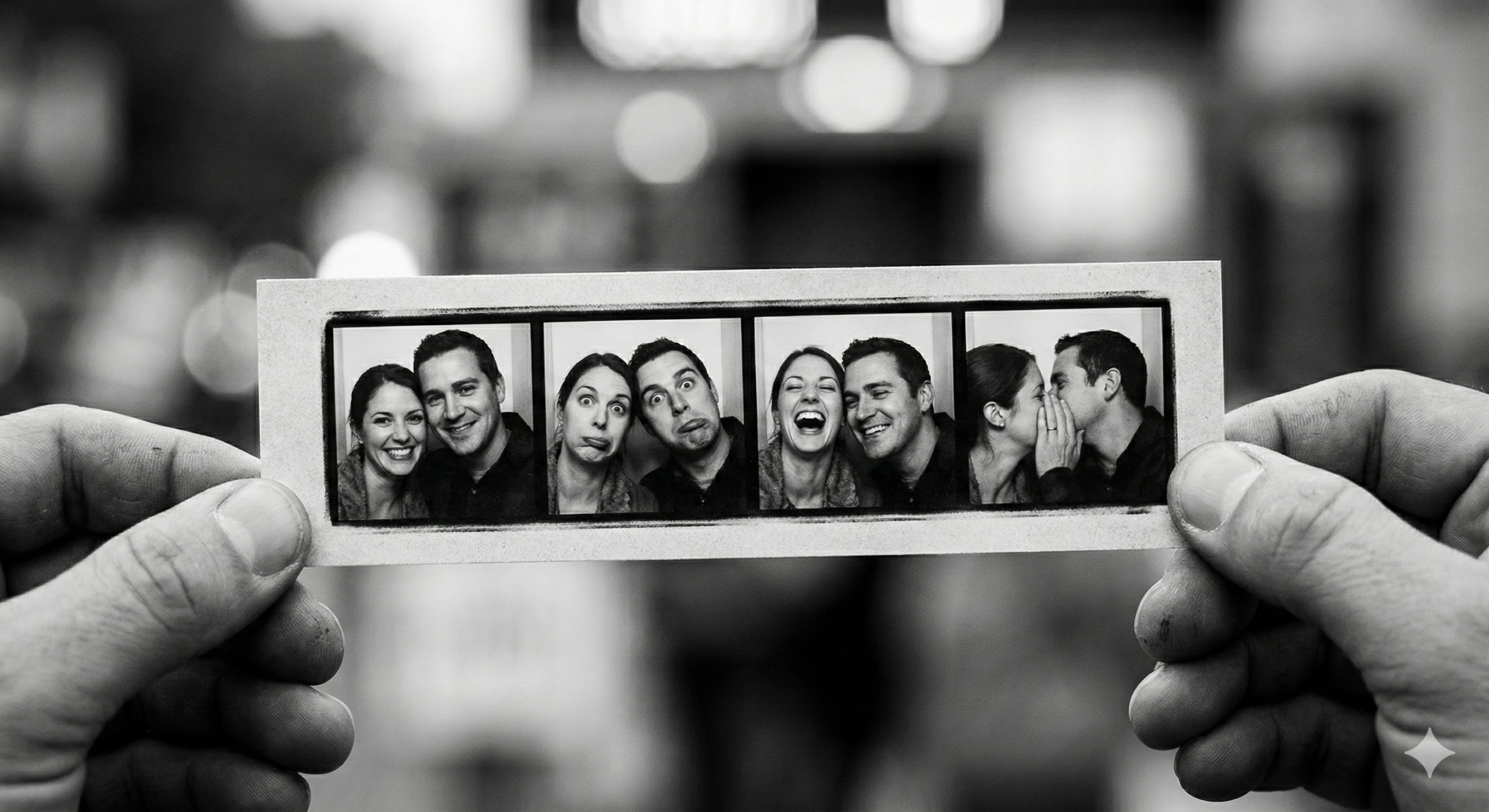
    This is where the venerable photo booth and its classic 1×4 film strip format re-enters the conversation, not just as a novelty, but as a powerfully resonant memory vessel. The photo strip is perhaps the ultimate example of a “tangible visual keepsake.” It is a cultural icon. Think about it: four small, square images, arranged vertically, connected by the chemical-stained border of the strip. Each image is a mini-narrative…a progression of goofy faces, shared kisses, or spontaneous bursts of laughter. The strip itself is slender, easily pocketed, tacked onto a corkboard, or slipped into a wallet. It is inherently personal, collectible, and utterly resistant to the tyranny of the digital feed. The magic of the photo strip is that it forces a moment of performance and finality. You get four shots, and that’s it.

    The genius of ZillaBooth Pro is its recognition of this cultural demand, translating the spirit and physical constraints of the classic analog photo booth into a powerful, accessible modern tool. The key element is its signature 1×4 strip layout. By deliberately structuring the digital output into this instantly recognizable format, ZillaBooth Pro doesn’t just mimic the look of a physical strip; it satisfies the psychological craving for that defined, tangible keepsake.

    When a user selects the 1×4 strip layout in ZillaBooth Pro, they are not just selecting a template; they are opting into a curated experience that replicates the scarcity and progression of the analog process. The app guides the user through four distinct, sequential captures. This process encourages spontaneity and performance in a way a single digital shot never could. The images are meant to tell a story: the first shot is often the most controlled, the final two are the most expressive and relaxed.

    Crucially, the ZillaBooth Pro output is designed for both digital sharing and, more importantly, for physical printing. A traditional digital image file is an undefined, boundless entity. A ZillaBooth Pro 1×4 strip file, however, is a pre-formatted, printable object. When printed, the strip emerges as a perfect, standardized visual artifact, ready to be pinned up, given away, or archived. This direct translation from screen to object is the core of its appeal. It bypasses the complexity of a regular photo printer, eliminating questions about cropping, size, and aspect ratio. You hit print, and you have your tangible keepsake. This streamlined process is essential for bridging the gap between digital ease and analog desire.

    Furthermore, ZillaBooth Pro enhances the nostalgic experience by layering in film-emulating effects that work perfectly within the high-contrast photo booth context. Users can apply filters that introduce realistic digital “grain,” subtle vignettes, and color shifts that mimic the aging or imperfect chemical development of film stock. The application often incorporates the classic high-contrast black and white look…a staple of vintage photo booths…which inherently enhances the dramatic, raw, and spontaneous feeling associated with physical media. When these grain and color filters are combined with the rigid structure of the 1×4 layout, the final product feels less like a photo and more like a cherished piece of history, instantly created.

    The ZillaBooth Pro’s focus on the 1×4 strip is a brilliant move that addresses the limitations of the modern digital landscape. In the vast, infinite scroll of a social media feed, a single photo is easily lost. But a photo strip…especially one featuring the iconic texture and visual progression of the ZillaBooth Pro output…demands attention. It is a visual blockquote, a curated micro-gallery of a moment, and its distinct shape makes it a statement piece. It’s an instant signifier of fun, retro charm, and intentional memory-making.

    For many, the app’s value lies in its ability to recapture the communal, shared experience of the photo booth. We are drawn to film because it is a shared experience. You take photos with friends, you wait for the final strip, and you instantly divide the tangible memory between you. ZillaBooth Pro allows for this same dynamic interaction: friends gather, pose, and see their four-shot story unfold, culminating in a printout that is immediately split and treasured. It transforms a solo digital activity back into a group performance, forging stronger emotional links to the resulting images.

    In conclusion, the passion for film photography and the enduring appeal of the “grain” is not a fleeting trend but a significant shift toward value, substance, and tangibility in our digital lives. ZillaBooth Pro has successfully tapped into this desire by recognizing that the format is just as important as the content. By standardizing the output to the nostalgic, powerful 1×4 strip, and overlaying it with authentic film-like textures, ZillaBooth Pro is not simply a camera application. It is a modern engine for generating “tangible visual keepsakes.” It offers users a deliberate, curated, and wonderfully nostalgic way to capture, print, and cherish the moments that matter, rescuing our memories from the infinite, undifferentiated abyss of the digital camera roll and giving them the physical weight and personality they deserve. The grain, in this context, is more than just an effect…it’s the beautiful, imperfect signal that this memory is real, it’s ours, and it’s meant to be held.
  • Why “Authenticity” is the Buzzword of the Year

    Why “Authenticity” is the Buzzword of the Year

    The cultural pendulum has definitively swung. After nearly a decade defined by the relentless pursuit of digital perfection…the soft-focus portrait, the meticulously arranged flat lay, the sun-drenched, over-exposed travel shot…we have collectively reached a saturation point. The meticulously curated grid, once the gold standard of social media success, now registers as inauthentic, tiring, and even dishonest. The visual language of the internet is undergoing a seismic shift, and the single word dominating this new conversation, the one that serves as both a critique of the past and a blueprint for the future, is authenticity. It is more than a fleeting trend; it is a full-blown cultural mandate, a demand from consumers and creators alike to ditch the artifice and embrace the raw, the real, and the momentarily imperfect.

    This widespread craving for “realness” is a direct response to what can only be called ‘Digital Fatigue.’ We grew weary of the visual lie. The perfected image promised an unattainable lifestyle, fueling a low-grade, perpetual anxiety about presentation. The counter-movement began subtly…a return to grainy film simulations, the strategic use of phone camera ‘time stamps,’ and the celebration of images taken under difficult or unflattering lighting. This aesthetic revolution, however, has crystallized around a singular core principle: the preservation of true-to-life color and texture.

    For years, the goal of any casual picture-taker was the soft wash of light that erased blemishes, minimized shadows, and homogenized color into a single, pleasing, ‘golden hour’ palette. Technology bent over backward to deliver this; camera apps automatically smoothed skin, corrected for every possible lighting flaw, and defaulted to flattering, soft-focus portrait modes. But in striving for technical perfection, these tools stripped the image of its narrative power…the very details that make a moment feel real.

    Authenticity, in the current visual context, is defined by the integrity of the original detail. A photo is authentic when it registers the grit of the city street, the harsh reflection of fluorescent light, the true, undoctored color of a cocktail in a dimly lit bar, and the actual, imperfect texture of human skin. This is the visual equivalent of ‘lo-fi’ music…it deliberately eschews high-fidelity polish in favor of an imperfect, slightly messy, yet immediately evocative honesty. The shadows, the grain, the unforgiving color cast…these are no longer flaws to be edited out. They are essential characters in the story. They scream: This was taken right now, with no time for adjustments.

    This cultural moment demands a new type of tool…one that facilitates the trend of authenticity rather than fighting it. It requires a technology that gets out of the way, intentionally disabling the automated, ‘beautifying’ smart features that defined the last decade of phone photography. This is precisely where ZillaBooth Pro has emerged as the essential application for the authentic creator.

    ZillaBooth Pro’s defining feature is not a new filter or a groundbreaking editing tool; it is its revolutionary commitment to omission. The app is engineered with a purposeful lack of “beauty filters.” This is the anti-algorithm. While the native camera app on any modern smartphone uses incredibly complex artificial intelligence to automatically and preemptively soften skin, subtly adjust contours, and correct what it perceives as ‘flaws,’ ZillaBooth Pro provides a completely unvarnished feed. It hands the user the raw, high-contrast, technically ‘imperfect’ image that the culture is currently demanding.

    This intentional absence of automated enhancement is the key to unlocking the new aesthetic of truth. When the camera’s internal software is prevented from performing its automated smoothing, the lens is finally allowed to capture true-to-life texture.

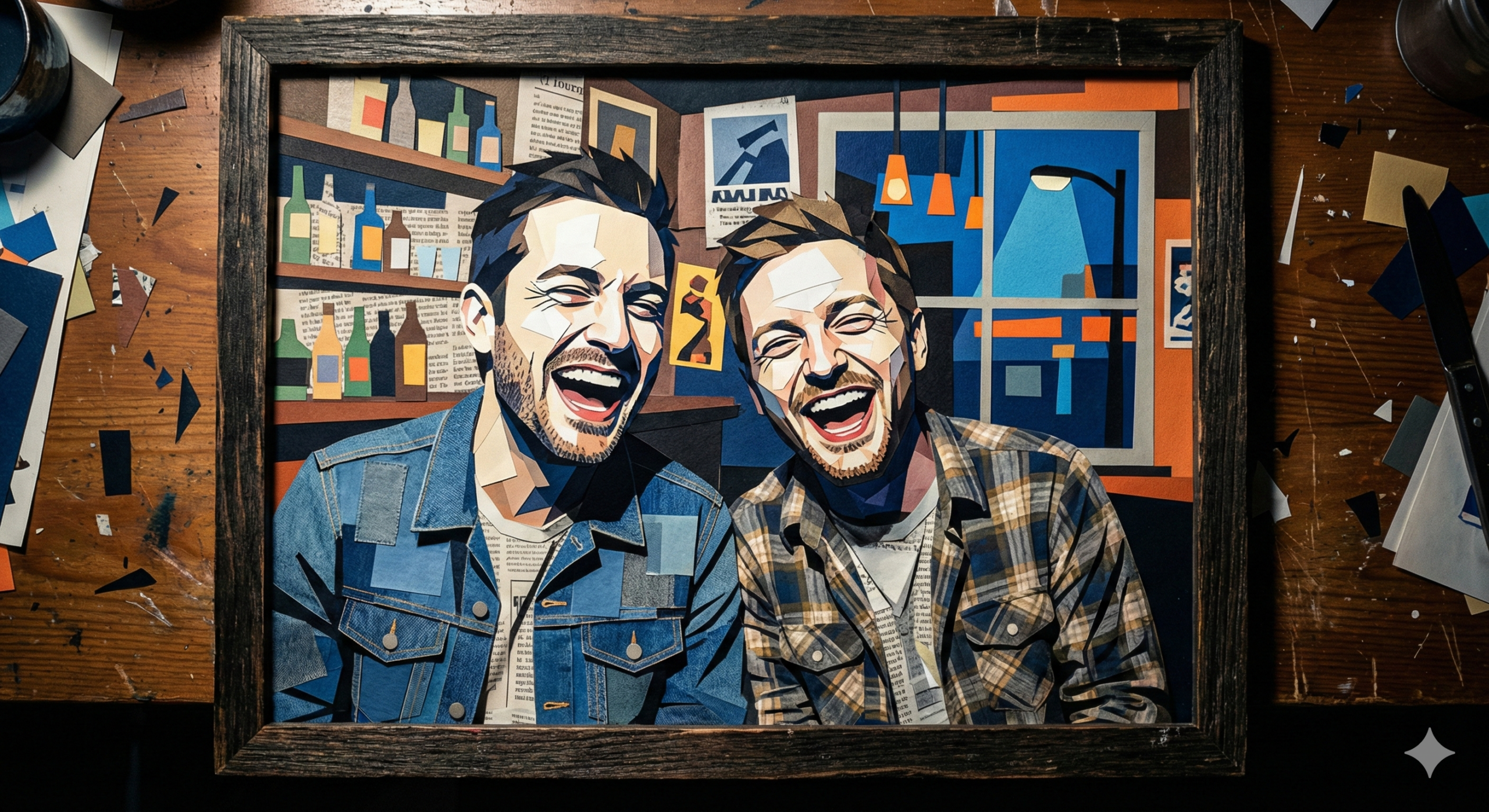
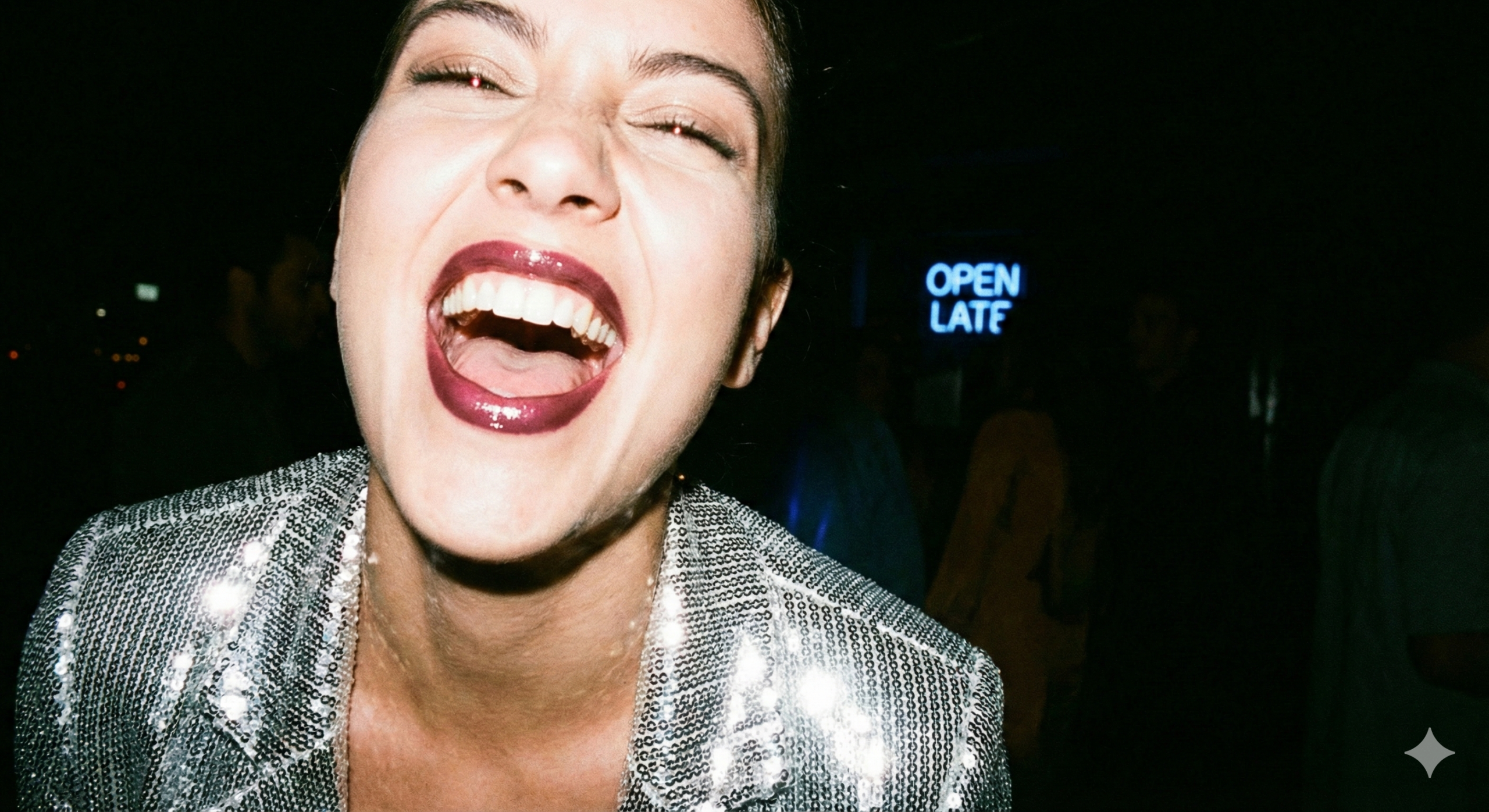
    Consider the human subject. In the era of the beauty filter, every portrait was destined to look slightly airbrushed…skin tones were unnaturally uniform, pores were blurred, and the fine lines that tell a life story were digitally erased. ZillaBooth Pro throws this out entirely. Its lack of smoothing algorithms means that the texture of fabric…the heavy weave of denim, the sheen of silk, the glitter of sequins…is rendered with a brutal, almost hyper-real clarity. More importantly, it means that skin is captured with its true texture intact. A direct, harsh light source, like the forced flash ZillaBooth Pro so expertly controls, does not flatter; it magnifies. It highlights the pores, the natural oil of the skin, the delicate lines around the eyes. This unforgiving honesty is what audiences now equate with being ‘real,’ a defiant badge of authenticity worn by the subject.

    The effect is even more pronounced when it comes to true-to-life color. Modern camera algorithms are programmed to chase a specific color temperature, usually one that is warm, flattering, and consistent…a constant, soft-focus ‘golden hour.’ This results in an image where the colors of the environment are flattened and corrected to conform to an idealized vision. ZillaBooth Pro rejects this chromatic homogenization. By offering granular, manual control and intentionally avoiding automated white balance correction, the app allows the image to be saturated with the genuine color of the moment.

    The colors that were once aggressively ‘corrected’…the eerie blue of a late-night streetlamp, the intense green of an LED screen, the harsh yellow-orange glow of old-school incandescent bulbs…are now preserved. The result is a color profile that is chaotic, dynamic, and perfectly captures the feeling of being in that space, not the technically ‘correct’ version of it. The lack of an intervening filter means a subject’s true-to-life skin color is not warped by an attempt to make the whole scene uniformly ‘pretty.’ When you look at an image captured with ZillaBooth Pro, you are not seeing a post-processed interpretation; you are seeing the moment’s raw, unedited light signature. This is why the aesthetic is so compelling: it is visual proof that you were there, experiencing the moment as it truly appeared, not as an algorithm wished it had appeared.

    ZillaBooth Pro is, therefore, not just a camera app; it is a statement of philosophical intent. It operates on the principle that the most engaging image is the one that is the least filtered. It empowers the user to reject the soft-focus fantasy and embrace the high-contrast, hyper-textured reality. It’s a move that feels rebellious in a digital landscape still largely dominated by polished perfection.

    The tools ZillaBooth Pro does offer…manual control over flash, exposure, and focus…are designed to enhance the chaos and truth, not tame it. Forcing the flash to fire at maximum intensity, even in bright sunlight, is the ultimate power move of the authenticity trend. This technique, which instantly separates the subject from the background with aggressive shadows and blinding highlights, ruthlessly exposes texture and preserves the most chaotic, true colors of the scene, creating a sense of raw, unmediated drama.

    In this new visual economy, authenticity is the currency, and the preservation of true-to-life color and texture is the gold standard. ZillaBooth Pro is the definitive tool because its very function is a rejection of the artifice that came before. It is built for a generation that has seen through the digital veil and is now demanding the real, the raw, and the unedited truth in every frame. To capture an image with ZillaBooth Pro is to participate in this cultural moment, transforming a simple picture into an unflinching document of reality. By choosing an app defined by its lack of automated enhancements, the modern creator is making a powerful statement: that reality, in all its high-contrast, textured, and colorful glory, is far more compelling than any manufactured fantasy.

  • The “Old School” Disposable Camera Trend (Without the Development Cost)

    The “Old School” Disposable Camera Trend (Without the Development Cost)

    The return of the harsh, unfiltered flash is one of the most surprising and dominant photography trends of 2026. After years of chasing soft, natural light, carefully editing out shadows, and defaulting to our phone’s automatic low-light settings, we’ve collectively thrown out the rule book and embraced the high-contrast, often unflattering aesthetic of the direct flash photograph. It’s not just a passing fad; it’s a full cultural moment rooted deeply in nostalgia for the late 1990s and early 2000s, an era when inexpensive point-and-shoot digital cameras and the classic disposable film cameras reigned supreme.

    What the modern photographer is craving is the “off-the-cuff” feel…that raw, sequential aesthetic born from a device that required zero technical expertise and gave you exactly what you got. It’s the look of spontaneity, a visual diary of real life captured without the digital artifice of filters, airbrushing, or meticulous staging. The disposable camera, with its non-diffused, front-facing flash, was the master of this style, casting deep, unmistakable shadows, often blowing out skin tones, and creating dramatic, high-contrast highlights. It’s a vibe that screams “This was taken right now and no one had time to adjust the lighting.” It feels real, spontaneous, and unposed.

    This aesthetic is the visual equivalent of lo-fi music…imperfect, slightly rebellious, and immediately evocative. It’s the raw energy that contrasts sharply with the meticulously curated, sun-drenched perfection that has dominated social media for the past decade. The shadows are part of the story, the blown-out highlights are a badge of authenticity, and the intense focus on the subject creates an undeniable sense of drama.The Expensive Wait for Authenticity

    So why not just buy an actual disposable camera? The truth is, while the aesthetic is cool, the classic “old school” method comes with major pain points that simply don’t fit into our instantaneous digital world. First, there’s the cost. Disposables are not cheap, and the film and developing fees quickly add up, turning a fun trend into an expensive habit. Second, and perhaps the biggest hurdle: the wait. You have to finish the roll, drop it off, and wait anywhere from a few days to a week to see your pictures. That delay kills the immediacy of a moment, frustrating a generation used to instant feedback. You might realize your flash wasn’t working, or the moment was totally missed, but only after your memories have been held hostage in a lab for a week. The environmental cost of single-use plastic and chemical development is also a growing concern for many.

    This is where ZillaBooth enters the chat. We understand you want the look…that raw, sequential aesthetic…without the week-long wait, the cost per photo, or the environmental guilt. ZillaBooth is the ultimate digital equivalent of the classic disposable camera, giving you the power to capture that raw, high-contrast aesthetic instantly on your iPhone. It’s about leveraging your phone’s camera to behave exactly like a primitive, flash-forward-only point-and-shoot, but with the instant gratification of a modern device.Mastering the Look with ZillaBooth Pro

    Replicating the “disposable camera aesthetic” requires forcing your phone’s incredibly smart camera to override its automatic settings and behave in a simple, almost brutal way. The key lies in manual control over the flash, which is where a dedicated professional camera app like ZillaBooth Pro becomes essential. Your iPhone’s standard camera app is designed to prevent the harsh, high-contrast look you’re actually after, so we need to step outside of its controlled environment.

    The core mechanism of the aesthetic is the Direct Flash…a technique that creates the same high-contrast, dramatic look found in those late ’90s/early ’00s shots. This style is often referred to as the ‘Paparazzi Aesthetic’ because it mimics the intense, unfiltered look of celebrity street style from tabloid magazines and grainy, late-night party photos taken in dimly lit clubs.

    Here is the tutorial for mastering the high-contrast aesthetic with ZillaBooth Pro:

    Step 1: Download and Open ZillaBooth Pro

    The journey begins with the application itself. If you haven’t already, download the ZillaBooth Pro application. This app is the gateway to granular control over your iPhone’s camera settings, crucially including the flash function that the native camera app manages automatically to avoid the desired harsh effect.

    Step 2: Locate the Flash Control and Go Manual

    Once inside the ZillaBooth Pro interface, locate the flash icon…usually a small lightning bolt. In the standard iPhone app, this is often set to ‘Auto’ or ‘Off.’ Within ZillaBooth Pro, you’ll see primary settings for the flash: Auto, On, and Off. This is the crucial moment: set the flash control to Manual “Flash On”.

    This single action is the secret sauce. It forces the flash to fire at its maximum intensity every single time you press the shutter, regardless of how bright the scene actually is. You want the flash to overpower the ambient light…even if there is plenty of natural light…which is what creates those signature deep, black shadows and the dramatic, spotlight look on your subject. The lack of diffusion is key; the iPhone’s tiny flash is perfect for this, as it acts like the unrefined light source of a classic point-and-shoot disposable.

    Step 3: Select Your Subject and Background for Maximum Drama

    The aesthetic works best when there is a strong, dramatic contrast between the subject and the background. * The Subject: The direct flash will highlight texture, makeup, and fabric dramatically. Encourage your subject to look directly at the camera for the classic, direct confrontation look, or let them move naturally in a chaotic setting to maximize the perceived spontaneity.
    * The Background: Look for settings with deep shadows or busy, interesting textures, like a dark brick wall, a crowded bar, or a street scene at night. The harsh flash will powerfully cut your subject out of the darkness and push the background into deep shadow, enhancing the drama and sense of isolation common in this aesthetic.Step 4: Adjust Exposure (The Aggressive Underexposure Move)

    Even with the flash forced on, you can fine-tune the drama using ZillaBooth Pro’s manual controls. While the flash is active, try slightly underexposing the shot using ZillaBooth Pro’s manual exposure slider. This will make the shadows even deeper and the highlights of the flash pop even more aggressively, reinforcing the “spotlight” effect that defines the disposable aesthetic. For maximum effect, also use the manual focus control to ensure your subject is razor-sharp. The extreme contrast created by the direct flash demands perfect focus to maintain the image’s overall impact.

    Step 5: Shoot and Review Instantly

    Take the shot. The result should be a high-contrast image with a distinct, vintage-digital feel. Pay attention to the shadows…they should be harsh, dark, and clearly defined behind your subject. Look for the reflective qualities in eyes, jewelry, or glossy fabrics, which should gleam intensely under the direct, undiffused light. Best of all? You see it immediately. No waiting, no cost, no waste.Pro Tips for Digital Disposable Perfection

    To elevate your digital disposable game beyond a simple snapshot and into a refined piece of editorial-style content, keep these professional tips in mind:1. Embrace the Red Eye: Unlike conventional photography where red-eye is a flaw to be corrected, in this aesthetic, it can be a feature. Don’t worry about editing it out. It adds to the raw, uncontrolled, and nostalgic feel of a genuinely spontaneous late-night flash photo.

    1. Focus on Texture: Direct flash is unforgiving, but that’s its strength. It aggressively magnifies texture. Shoot subjects wearing sequins, vinyl, metallic finishes, or heavy glitter. The intense light will bounce off these materials, creating an explosive, dynamic effect that elevates the drama and adds an almost cinematic quality to the shot.

    2. Get Close: The Inverse Square Law is Your Friend: The closer you are to your subject, the more intense and dramatic the flash effect will be. Due to the physics of light, the inverse square law means the light from your phone’s small flash will fall off rapidly; this means your subject will be brilliantly illuminated while everything even a few feet behind them will dissolve into shadow. This enhances the “spotlight” or “caught in the act” effect which is the hallmark of the spontaneous aesthetic.

    3. Shoot in Broad Daylight (The Ultimate Power Move): Don’t reserve the flash just for dark environments. For the most aggressively contrasting and fashion-forward look, use the forced flash during the day. This technique, sometimes called “fill flash” (though here it’s more of an “overpower flash”), creates a surreal, hyper-real look where the sunlight and the flash compete, resulting in ultra-deep black shadows and perfectly lit faces…a signature style of editorial fashion photography from the early 2000s that gives the image a sense of heightened reality.

    4. Black and White Conversion: While shooting in color, consider a high-contrast black and white conversion afterward. The tonal separation created by the direct flash translates beautifully into dramatic monochrome, often mimicking the look of classic tabloid photography that had to be printed quickly and cheaply.The disposable camera trend isn’t about taking better photos in the traditional, technically perfect sense; it’s about taking photos with more personality and more story. It’s a statement against the polished, perfect grid, a rebellion in favor of the real, the raw, and the dramatically lit. ZillaBooth allows you to access this potent hit of digital nostalgia instantly and consistently, giving you the classic, sequential, and raw aesthetic you crave without the week-long wait or the development cost. Step out of the soft light and into the shadows, and let ZillaBooth be the source of your next great, imperfectly perfect shot.