Category: ZillaBooth

  • The “Engagement Era”: Planning the Perfect Proposal Party

    The “Engagement Era”: Planning the Perfect Proposal Party

    The landscape of modern romance is always evolving, but few shifts have been as celebratory and culturally defining as the emergence of what we’re calling the “Engagement Era.” For generations, the sequence of events was simple: meet, date, surprise proposal, and then, months later, an engagement party. Today, that linear path has taken a delightful detour, adding a new, crucial event to the timeline: the Proposal Party. This isn’t the traditional engagement party, mind you. This is a meticulously planned, often highly emotional, celebratory gathering that takes place before the ring is on the finger…a beautiful way to build anticipation, share the electric excitement, and loop your inner circle into the impending milestone. The “pre-proposal” phase is expanding into a fully fledged social moment, and it requires a new strategy for both hosting and, critically, for documenting.

    The Proposal Party is a subtle, yet profound, acknowledgment of the fact that marriage is a commitment not just between two people, but between two families and a wide circle of close friends. It serves several powerful functions. For the person planning the proposal, it’s a release valve for the intense pressure and excitement of keeping the secret. It allows them to lean on their closest confidantes…their “proposal committee”…to help with the logistics, maintain the secrecy, and manage their own emotional high. For the invited guests, it transforms them from passive observers to active participants, giving them a stake in the success and joy of the main event. It creates a collective countdown, turning a private decision into a shared narrative.

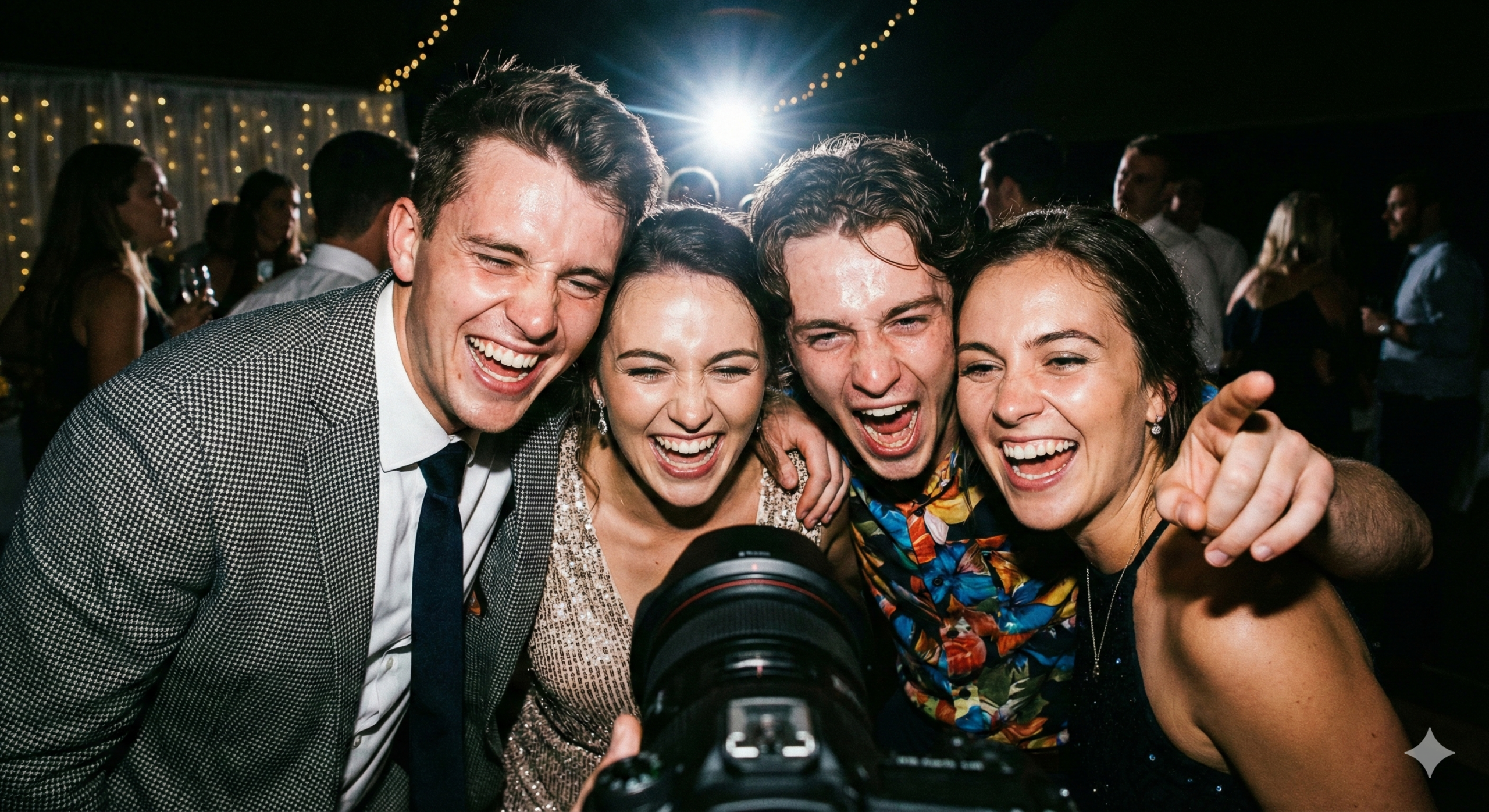
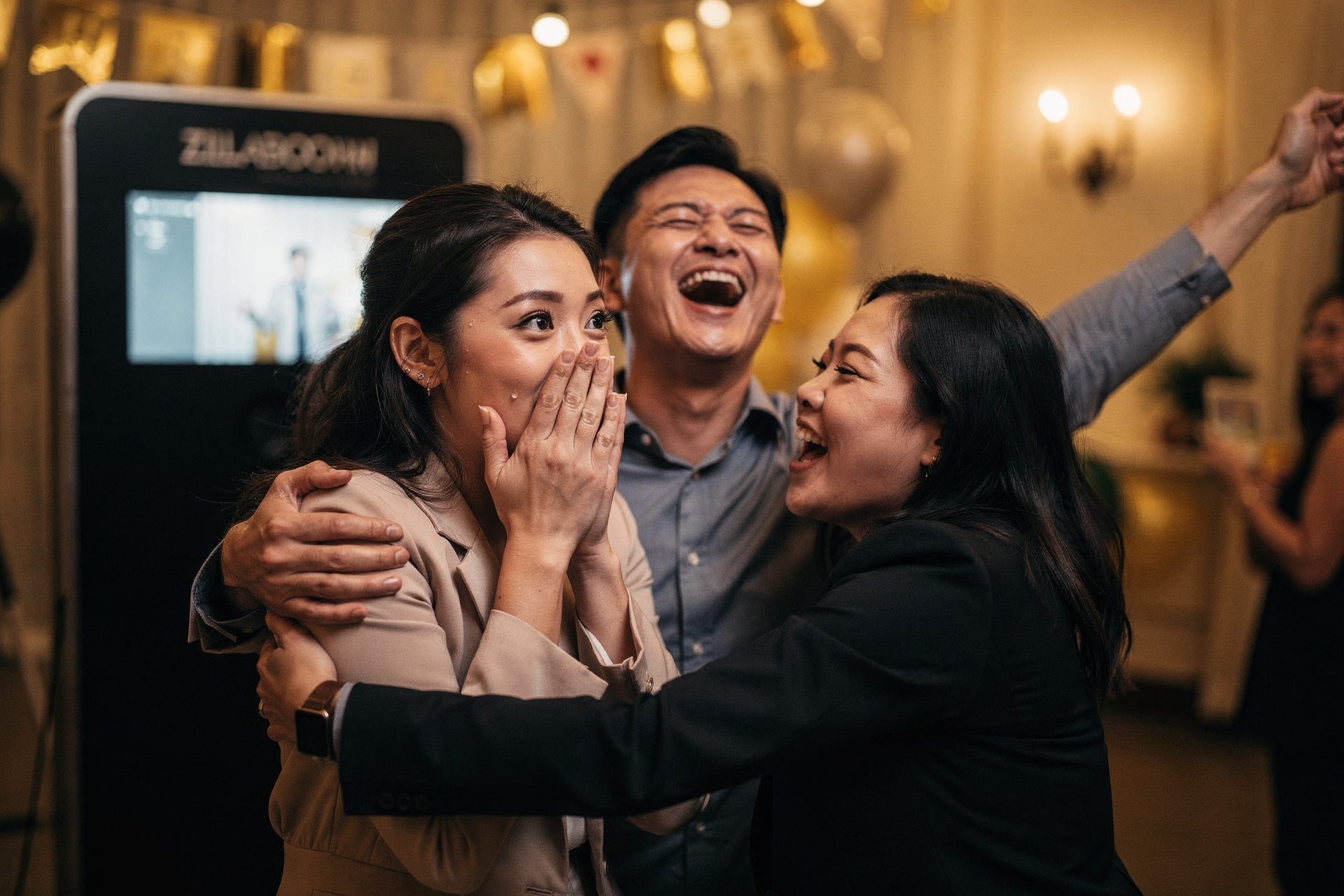
    But perhaps the most compelling reason for the rise of the Proposal Party is the sheer desire to capture and own the immediate, unfiltered reaction of the people who matter most. When a proposal happens in private, the happy couple gets to live the moment, but the genuine shock and joy of their friends and family are often missed, relegated to a delayed phone call or a congratulatory text message. The Proposal Party changes this. It is the moment where the secret is intentionally, dramatically, and collectively revealed. The host (or hosts) has planned a beautiful evening, and at a peak moment…often with a well-timed speech, a subtle cue, or even a pre-recorded message…the news drops: “We’re getting engaged!” or “The proposal is happening this weekend!” or “I’ve bought the ring!” The resulting chaos of screams, tears, hugs, and laughter is pure gold.

    The challenge, however, lies in bottling that lightning. In the rush of emotion, it’s impossible for anyone…especially the host who is managing their own nerves…to whip out a camera and perfectly capture every tearful hug and jaw-dropped gasp. You need a dedicated, unobtrusive system designed specifically to catch these ephemeral moments of pure, collective elation. This is where the modern planning toolkit must evolve, and this is precisely why we suggest integrating ZillaBooth into the Proposal Party plan.

    ZillaBooth is not just a standard photo booth; it’s a state-of-the-art, semi-permanent video and photo capturing station designed for exactly this type of high-stakes, emotionally charged event. It operates autonomously, providing a dedicated space for guests to record their messages, share their stories, and, most importantly, provide their immediate, raw, and unedited reactions to the news. Its unique, professional-grade lighting and sound capture the sincerity that a shaky phone video simply cannot.

    To utilize ZillaBooth effectively at a Proposal Party, you need to think of it as the “Reaction Confessional.” This isn’t about staged photos; it’s about documenting the process of getting engaged through the eyes of your community.

    Setting Up the ZillaBooth Reaction Hub1. Placement is Key: Set up the ZillaBooth in a location that is easily accessible but slightly tucked away…an adjacent lounge, a quiet corner, or even a beautifully decorated side room. You want the ambiance to feel intimate, encouraging guests to let their guard down. The lighting should be flattering, and the background should be simple yet elegant, ensuring the focus remains squarely on the person speaking.

    1. The Prompt: The power of the ZillaBooth is in the instruction. Don’t just leave a blank screen. Set a prompt that is clear, exciting, and drives the conversation. For a Proposal Party, the instructions should evolve throughout the night. * Phase 1: Pre-Reveal Excitement (For guests who know the secret): “Record a short message for [Partner’s Name] telling them what you’re most excited about for the proposal. Don’t give away the secret!” This captures their nervous anticipation and complicity.
    • Phase 2: The Immediate Reaction (This is the most crucial part): This requires a bit of planning. Once the host makes the announcement that the proposal is imminent, guests will be buzzing. Have a designated “Proposal Committee” member subtly direct guests to the ZillaBooth in small groups. The prompt changes to: “Record your immediate reaction to the news! What were your first thoughts? How long have you known? What advice do you have?” This captures the gold…the genuine, high-energy emotional overflow.

    • Phase 3: Post-Reveal Messages: Once the initial chaos subsides, the booth serves as a place for more thoughtful, future-focused messages: “Give [Couple’s Names] one piece of marriage advice and one wild prediction for their wedding day.”The Unique Value of Capturing the “Before”

    In the “Engagement Era,” the Proposal Party footage captured by ZillaBooth is arguably more valuable than any photo taken on the wedding day. The wedding is polished, planned, and generally expected. The Proposal Party is raw. It’s a moment of pure, shared surprise (for one partner) and relief/excitement (for the other, and the guests). * Authenticity: The flash of realization on a friend’s face, the tears of joy from a parent who has been holding this secret…these are reactions you cannot stage. ZillaBooth captures the true spirit of the community rallying around the couple before they are officially “engaged.” It’s the video of your best friend screaming, “I knew it! I called it three months ago!” or your mom quietly crying, “Welcome to the family,” before the formal proposal has even happened.

    • The Gift to the Couple: Once the footage is compiled, it becomes an extraordinary, priceless gift for the future fiancés. Imagine watching a perfectly edited reel of all your closest friends reacting with pure, explosive joy to the news of your impending proposal. It’s a powerful affirmation of love and support that can be played at the engagement party, rehearsal dinner, or even used as a unique, emotional element in the wedding ceremony itself.
    • A Historical Document: This pre-proposal phase is a new tradition. By documenting it with a professional tool like ZillaBooth, the couple creates a cultural artifact that marks the beginning of their new life in a way that future generations will appreciate. It shows the true, evolving process of a modern relationship milestone.Logistical Integration for a Seamless Event

    A critical part of using ZillaBooth successfully is integrating it seamlessly into the party flow. It must feel like an organic part of the entertainment, not a chore.1. Aesthetics: The ZillaBooth unit itself should be sleek and match the party’s décor. The user interface should be branded with a fun, celebratory Proposal Party logo or hashtag.

    1. Attendant: While the ZillaBooth is autonomous, having a designated (and sworn to secrecy) Proposal Committee member near the booth can help manage traffic, encourage reluctant guests, and ensure that the prompts are being followed correctly, especially right after the big reveal.

    2. The Edit: The true magic happens after the party. The raw footage captured by ZillaBooth needs professional editing. The editor should be instructed to focus on isolating the highest-energy reactions, creating a montage of pure emotion. The final video should feel like a cinematic trailer for the proposal that is about to occur.The “Engagement Era” is a vibrant, exciting time that values shared experience and deep, authentic connection. The Proposal Party is the event that embodies this value, turning the private anticipation of a lifetime commitment into a public celebration of love and community. By strategically using ZillaBooth, hosts can ensure that the fleeting, priceless moments of collective joy, shock, and love from their friends and family are captured forever. It transforms the Proposal Party from a simple gathering into a fully documented, cherished prologue to the rest of their lives. Don’t let the most genuine reactions of your loved ones be lost to the buzz of a crowded room or the limits of a phone camera. Embrace the era, plan the party, and let ZillaBooth capture the magic.
  • Fashion Retail: The “Virtual Mirror” Alternative

    Fashion Retail: The “Virtual Mirror” Alternative

    The traditional retail changing room is a relic. It’s a small, ill-lit box where hopes and dreams of a perfect outfit often go to die. The mirrors lie, the fluorescent lights are harsh, and the physical act of getting dressed, undressed, and re-dressed while trying to figure out if you’ve found “the one” is tedious. Crucially, it’s a solitary experience. In a world where social validation…from friends, family, and followers…is key to purchase decisions, the changing room forces customers to make a $100 choice in an isolation chamber. They either take a blurry, bad-angle mirror selfie, or they walk out in the outfit, feeling awkward as they circle their companion for approval. This friction is a leading cause of abandoned purchases and high return rates.

    For years, the industry’s answer to this friction has been the “virtual mirror”…a futuristic-sounding but often flawed concept. These early installations, relying on complex Augmented Reality (AR), struggled with lag, inaccurate digital draping, and poor user experience. They tried to replace the physical act of trying on clothes and, in doing so, created an “uncanny valley” effect that eroded customer trust.

    Enter the ZillaBooth, a quiet revolution in fitting room technology that is finally offering a practical, affordable, and instantly shareable alternative. Instead of relying on expensive full-body scanning or imperfect AR, ZillaBooth solves the core emotional and logistical problem of the modern shopper: seeing themselves accurately and getting immediate, trusted feedback while they are still in the store.

    The ZillaBooth Experience: A Grid, Not a Gimmick

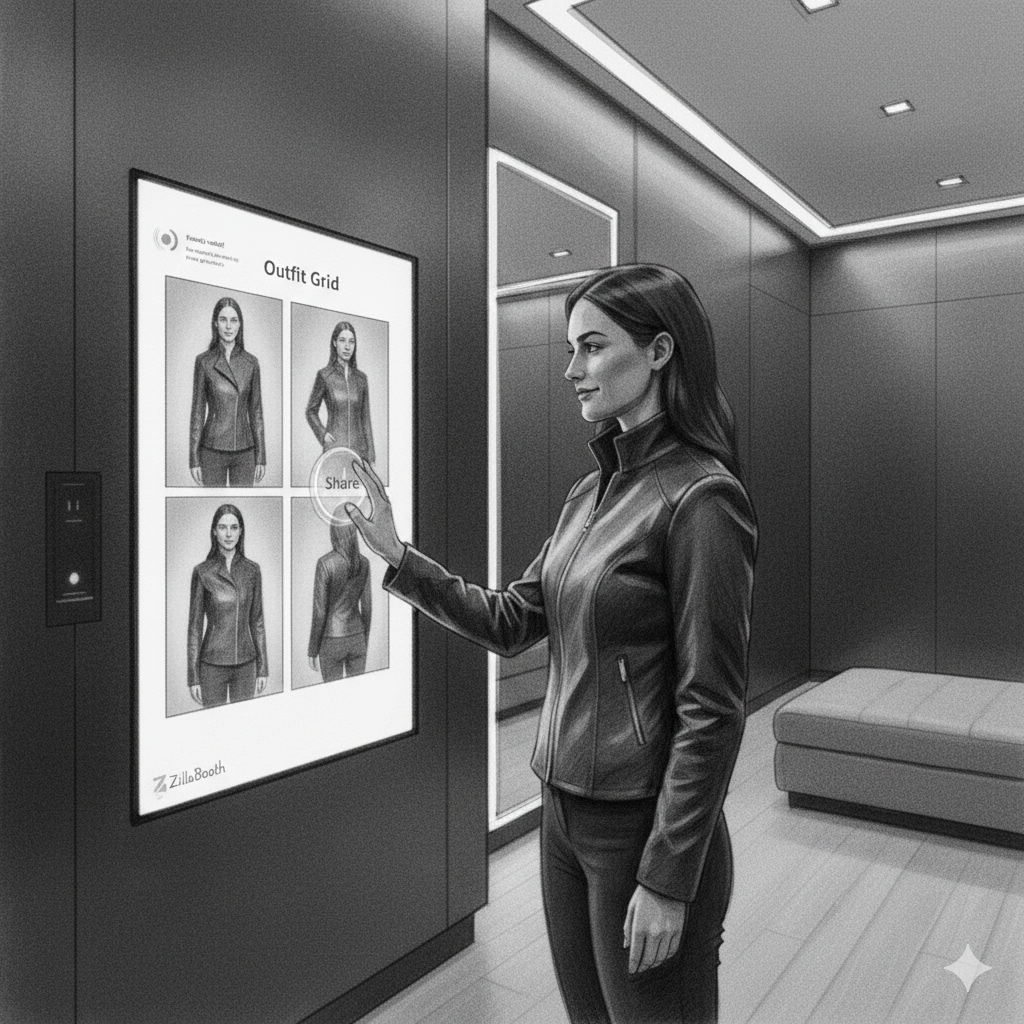
    When a customer steps into a changing room equipped with a ZillaBooth, they are greeted by a sleek, interactive screen…not a mirror, but a powerful, high-resolution camera and display system. Here is how the process…the “try-on journey”…unfolds, turning a moment of doubt into a moment of collective decision:1. Instant, Multi-Angle Capture: The customer simply presses a button. The ZillaBooth instantly captures their outfit from four different, professionally-lit angles (front, back, and two sides). This feature is key. A single mirror cannot show a customer how a coat hangs from the back or how a pair of jeans fits from the side without an awkward, impossible twist. The ZillaBooth provides objective reality and a truly comprehensive view. The lighting is optimized and consistent, removing the guesswork of “bad changing room lighting.”
    2. The “Outfit Grid”: All four images are instantly displayed on the screen in a clean, four-panel grid. The customer can review this image grid and, crucially, toggle between different outfits, comparing their potential purchases side-by-side. This visual comparison removes guesswork and allows for a clearer, direct evaluation of fit and style, making the decision-making process transparent and analytical.
    3. One-Tap Social Sharing: This is the ZillaBooth’s killer feature and the ultimate substitute for the clunky mirror selfie. With a single tap, the customer can securely send the four-image “Outfit Grid” directly to a pre-selected group of friends or family via text, WhatsApp, or the brand’s native app. The process is streamlined, private, and instantaneous. They don’t have to save a photo, leave the brand environment, find the contact, and write the message; it’s all handled within the Booth’s secure interface. This immediate, high-quality sharing capability transforms the solitary fitting room into a virtual group chat.
    4. Real-Time Feedback Loop: While the customer tries on their next option, their trusted advisors are already sending back votes, comments, and emojis. This near-instant feedback provides the customer with the social confidence they need while they are still standing in the store. Instead of being unsure, they are armed with peer approval, drastically increasing the likelihood of an immediate purchase. The result is a purchasing decision that is not just personal, but socially validated.The ROI for Retailers: From Friction to Flow

    For fashion brands, the ZillaBooth is more than a fun gadget; it is a critical tool for boosting conversion, reducing returns, and collecting invaluable data. It turns the fitting room from a sales bottleneck into a collaborative sales engine. * Increased Conversion Rates: When a shopper gets instant, positive reinforcement from their inner circle, they are far more likely to commit to the purchase. ZillaBooth integration has consistently shown a double-digit increase in fitting room-to-purchase conversion compared to non-equipped rooms. The system accelerates the decision, capturing the shopper’s initial excitement before “buyer’s remorse” or simple indecision can set in.
    * Reduced Returns: The primary reason for both online and in-store returns is poor fit or a mismatch between expectation and reality (i.e., “doesn’t look right”). Because the ZillaBooth provides objective, multi-angle views and integrates social approval before the purchase, the customer is far more certain of their decision. This increased purchase confidence directly translates into a lower return rate, saving the brand massive logistical, operational, and inventory management costs.
    * Invaluable Qualitative Data: Every Outfit Grid shared, every vote cast, every comment exchanged…this is pure, qualitative market research in a real-world scenario. Retailers can, with customer consent, anonymize and analyze this data to understand which specific fits, styles, and combinations are generating the highest levels of social approval. This feedback loop is exponentially faster and more authentic than any traditional focus group or post-purchase survey. It allows brands to rapidly fine-tune their inventory and marketing to align with validated customer desires.
    * Enhanced Brand Experience: Implementing the ZillaBooth signals to the consumer that the brand values their time, understands their modern need for social connection, and is committed to a seamless, modern shopping experience. It transforms a potentially stressful or frustrating chore into a fun, interactive, and high-tech moment, fostering loyalty and generating powerful word-of-mouth marketing that extends beyond the store’s four walls.The ZillaBooth is not just a device; it’s a strategy for bridging the gap between the in-store physical experience and the digitally-driven, socially-validated purchasing habits of the modern consumer. It ensures fashion retail can keep pace with the instant nature of modern decision-making, confirming that the future of the fitting room is clear, well-lit, and immediately shareable.

  • Gen Z Has Entered the Chat: What the New Generation Wants in a Photo Booth

    Gen Z Has Entered the Chat: What the New Generation Wants in a Photo Booth

    The wedding industry has officially entered the era of Gen Z. This generation, now forming the majority of newly engaged couples, is not just changing décor and menus; they are fundamentally reshaping the way memories are captured. Having grown up navigating the hyper-curated, filter-heavy landscape of social media’s adolescence, Gen Z has developed a powerful cultural counter-movement: a demand for authenticity and imagery that is definitively “raw and unfiltered.” This cultural shift explains exactly why they are walking past the traditional, overly-processed photo booths and flocking toward streamlined, simple-interface solutions like ZillaBooth.

    For the modern couple, a wedding is no longer a performance staged for the social media feed; it is an intimate, authentic gathering. This generational pivot is a direct reaction to the intense pressure of the mid-2010s aesthetic, where digital perfection was the unattainable standard. Gen Z watched as Millennials chased the elusive “Instagram Face” and polished every photo until it lacked any sense of realness. They experienced the mental fatigue of constant curation. Their response is a powerful aesthetic rebellion, prioritizing genuine connection and imperfect, candid moments over sterile, airbrushed visuals.

    This rejection of the digital veneer is most visible in their photography choices. They romanticize the aesthetic of disposable cameras, vintage film, and high-flash point-and-shoots…not because the images are flawless, but because they carry the weight and warmth of genuine, unmanipulated moments. They understand that a beautifully lit, slightly-off-center, candid shot is infinitely more valuable as a memory than an image scrubbed clean of all personality by a heavy smoothing filter.

    This deep-seated value system has created a significant problem for the traditional photo booth. For years, photo booths were defined by their excessive digital enhancements: cartoon filters, aggressive skin-smoothing effects, heavy color overlays, and digital props that looked tacked-on and cheap. While this “more is more” approach was initially fun, it now feels jarringly dated and, crucially, completely inauthentic to the Gen Z couple. They don’t want a memory that is obscured by a digital mask. They want the real, unvarnished emotion of their reception, captured brilliantly.

    The traditional photo booth’s greatest sin, in the eyes of this new generation, is complexity born from over-processing. A typical legacy system forces guests through a bewildering labyrinth of on-screen choices, demanding they select a frame, a filter, a digital prop, and an effect…all in the span of a few hurried seconds. This selection process distracts from the moment itself. The spontaneity is lost as a group of friends stares at the screen, arguing over which shade of sepia works best. The resulting images, laden with heavy digital manipulation, fail to capture the true atmosphere and genuine emotion of the evening. They look generic, temporary, and easily discardable.

    ZillaBooth: The Champion of the Anti-Filter Aesthetic

    ZillaBooth has successfully disrupted this outdated model by operating on a completely different principle: the technology must serve the moment, not dominate it. Its success lies not in the features it offers, but in its deliberate subtraction of unnecessary digital noise.

    The core appeal is the simple interface.1. Minimalist, Intuitive Design: When a guest steps up to a ZillaBooth, the interface is clean, fast, and intuitive. There is no overwhelming menu of filters and digital junk. The screen presents only the essentials: the clean camera feed and a large, clear start button. This minimalist design cuts down on the decision fatigue that Gen Z actively seeks to avoid. Guests spend less time scrolling through digital options and more time being fully present, spontaneous, and silly. The focus is immediately placed on the people in the frame and the fun being had, not the machine itself.

    1. A Focus on Foundational Quality: ZillaBooth trusts the quality of its underlying technology. Instead of compensating for poor lighting and camera quality with digital smoothing, it invests in professional-grade components. The images are captured with brilliant, flattering, high-end flash and excellent resolution. This foundational quality means that the resulting photo is already high-end, crisp, and beautifully lit, requiring no heavy-handed digital ‘corrections.’ It delivers the authentic, natural look that Gen Z finds editorial and timeless.

    2. The Editorial Look vs. The Social Filter Look: The final output from a ZillaBooth image looks like a professional, high-quality, candid photograph…the kind of flash-lit, high-contrast, beautiful moment one would expect from a talented editorial photographer. This look aligns perfectly with the current Gen Z aesthetic that embraces the “unfiltered” yet high-quality analog feel. The image preserves the texture, the expressions, and the real colors of the moment. In contrast, traditional filters flatten the image, smear the skin texture, and apply artificial colors that instantly date the photograph. For Gen Z, an image that respects reality is an image worth keeping.

    3. A Cultural Alignment with Authenticity: By defaulting to a clean, filter-free capture, ZillaBooth makes a powerful cultural statement that resonates with the new generation: “You don’t need digital alteration to be beautiful or to capture a great memory.” This message of radical acceptance and anti-perfectionism is precisely what Gen Z is championing in every corner of their lives. The simple interface is a facilitator of realness; it gives guests permission to be their true, silly, un-airbrushed selves, knowing the resulting image will be a true record of that spontaneous moment.For the Gen Z couple planning a wedding, every vendor choice is a reflection of their values. Choosing ZillaBooth is not just about entertainment; it is a statement against the performative culture of the past. It’s a commitment to safeguarding the authenticity of their celebration. The simple interface is the gatekeeper of this authenticity, removing the temptation and the friction of over-processing, and ensuring that the memories captured are genuine, high-quality, and completely unfiltered…perfect for the generation that is finally ready to embrace the truth behind the lens.

  • Analog in a Digital World: Why We Crave Physical Prints

    Analog in a Digital World: Why We Crave Physical Prints

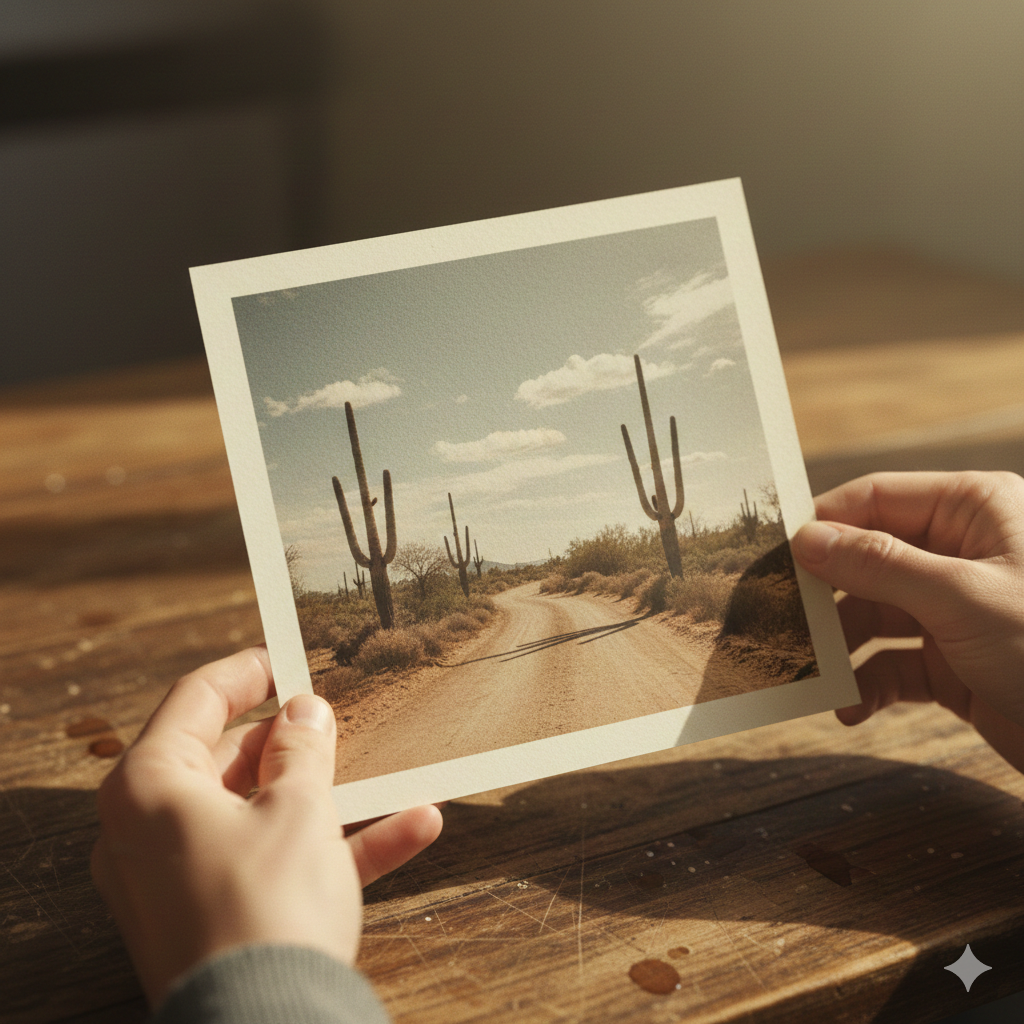
    The modern paradox of photography is that in the age of endless images, we feel we have fewer actual photos. Our camera rolls overflow with tens of thousands of digital captures…perfectly exposed, flawlessly focused, and immediately shareable…yet they often feel weightless, ephemeral, and ultimately, disposable. We are drowning in JPEGs, but starving for keepsakes. This deep, persistent craving for something tangible…something we can hold, put in a frame, or slip into a wallet…is what fuels the powerful trend of returning to physical prints. It is not merely a retro fad; it is a profound psychological need for permanence and tactile connection in a world that has become overwhelmingly screen-based and transient. The solution is not to abandon digital, but to master the hybrid workflow: utilizing the speed and quality of modern digital tools, like ZillaBooth, and completing the experience by transforming those digital captures into timeless, analog-feeling prints. This approach gives us the best of both worlds, turning fleeting data into cherished objects.

    The Haptic and Emotional Superiority of Print

    Why does a print feel so much more significant than its digital twin? The answer lies in psychology and the human need for ritual and permanence. Firstly, a physical photograph demands a ritual. To print an image, one must intentionally select it from the digital multitude, a process of curation that elevates its value. Unlike endlessly scrolling through a camera roll where every image is equally available and therefore equally insignificant, the act of printing grants the chosen photograph a ceremonial status. It signifies: “This image matters. This moment is worthy of permanence.” Once printed, the image becomes a fixed, non-editable piece of history. A digital file is endlessly changeable, existing in a state of potential revision; a print is final, a concrete testament to a specific moment in time. This finality lends it a greater emotional weight.

    Secondly, the superiority of the print is fundamentally haptic, or related to the sense of touch. We experience digital images through cold glass and light. We experience a print through touch, smell, and substance. The texture of matte paper versus glossy; the slightly frayed corner from being handled; the weight of the cardstock…these physical properties engage our senses in a way a digital file simply cannot. The print possesses what the great photographer Henri Cartier-Bresson called “the feeling of a scrap of paper.” It accrues history through wear and tear. A crease is a memory of a child’s hand; a faded edge is the mark of time. When we hold a print, we are activating a different kind of memory…one tied to the physical world, making the recollection richer and more multi-sensory. This is the core of the analog craving: a desire for substance over simulation.

    The Great Digital Devaluation

    Our current digital photo ecosystem, for all its convenience, has a significant flaw: it promotes devaluation through abundance. We take thousands of photos without thought because storage is cheap and deleting them is optional. This sheer volume creates a paralyzing effect…the “digital archive paralysis”…where the most important images are lost in the noise of the mediocre ones. They exist in a perpetual digital purgatory, never truly seen, enjoyed, or shared in a meaningful way. Moreover, digital photos exist under the threat of technological obsolescence. File formats change, cloud services shut down, hard drives fail. The very ease with which they are stored makes them vulnerable to being forgotten, or worse, lost forever in an unreadable format years from now. The printed photograph, conversely, is immediately accessible without electricity, software, or passwords. Its technology is paper, ink, and light…a universally readable format that has survived for centuries.

    The ZillaBooth Hybrid Solution: Analog Feel, Digital Power

    The modern photographer doesn’t have to choose between the convenience of digital and the soul of analog. The hybrid workflow is the elegant compromise that captures the best features of both. This is where a dedicated professional camera system or application like ZillaBooth comes into its own. The power of ZillaBooth lies in its ability to offer granular control and high-quality capture, which is essential for a great final print, while maintaining the speed and ease of a digital device.

    The process is simple, yet transformative, and is built on intentionality at every stage:1. Capture with Digital Precision: Use the ZillaBooth application to take your photos. The advantage here is the immediate feedback, the high-resolution sensor, and the ability to take multiple shots quickly without the cost of film. ZillaBooth’s advanced controls allow you to fine-tune exposure, color temperature, and even apply specific grain or color-shift filters at the point of capture that are specifically designed to emulate classic film stocks, providing the “analog feel” from the start. By controlling the camera’s raw output, you ensure the image has the necessary depth and quality to withstand the printing process, unlike quick snaps taken with an auto setting. This attention to detail in the capture phase ensures the final print is not just a high-quality reproduction, but an image with rich tonal information.

    1. The Curation Stage: This is the critical step that restores value. Instead of printing everything, you must curate. Scrolling through the ZillaBooth gallery, the user is forced to select only the top 1%…the images that genuinely resonate. This digital culling process is the modern equivalent of choosing which roll of film to develop. It reintroduces the scarcity that gives a photograph worth. This curation should be done with a physical eye, asking: “Does this look good as a print? Will I want to handle this in ten years?” The act of deletion and selection sharpens your photographic eye and fundamentally changes your relationship with the images that remain.

    2. Preparation for Print (The Analogization): Before sending the digital file to a printer, ZillaBooth or a related professional editing suite is used for the final analog-style treatment. This involves several key steps to break the clean, sterile aesthetic of pure digital: * Aspect Ratio and Border: Cropping the image to a classic print size (e.g., a square 1:1 or a rectangular 4:3) and applying a digital border, often with a white or sepia tone, instantly frames the image like a traditional print. This border separates the image from the digital canvas and gives the eye a resting place, focusing attention inward.
      • Tonal Adjustments: Digital vibrancy is often too clean. The image should be slightly softened, with contrast gently lowered, and a subtle color cast (like a mild sepia or a pale yellow) introduced to simulate the chemical aging process of film. Film, particularly older film, has a distinct color bias, and mimicking this bias adds a layer of authentic nostalgia. This is often achieved by adjusting the white balance or using color grading tools to lift the blacks slightly, preventing true digital black.
      • Grain Application: A subtle but intentional layer of digital film grain is applied. This adds texture and breaks up the unnatural perfection of high-resolution digital capture, lending it the characteristic roughness and organic structure of an analog image. This grain is the texture of film, and its presence psychologically signals “old school” to the viewer.4. The Final Print: The choice of print medium is as important as the original capture. To achieve the “analog feel,” avoid standard inkjet photo paper. Instead, opt for specialty papers: * Matte and Cotton Rag Papers: These absorb light rather than reflecting it, giving the image a soft, luxurious, and non-reflective quality that feels much older and more substantial than glossy paper. The fibers in the paper interact with the ink to create an organic texture that mimics the subtle irregularities of a darkroom print.
      • Fuji Crystal Archive or Luster Finish: For a more traditional photographic feel, these professional papers are ideal. They offer a semi-glossy surface that is less reflective than true gloss, and their chemical composition helps colors pop in a way that recalls traditional photo lab processing.When a high-quality ZillaBooth digital file is printed on a textured matte paper, the transformation is complete. The digital grain integrates seamlessly into the paper’s texture, the intentional color shift warms the image, and the final result is a physical artifact that carries the emotional resonance of a film photograph, but with the technical sharpness and clarity afforded by a 21st-century digital camera.

    More Than Just Paper: The Power of Context

    The true victory of the physical print is not just its texture, but its context. A digital photo lives on a phone, competing with emails, social media feeds, and news alerts. A printed photo, however, has a dedicated space in the real world. It is pinned to a refrigerator, tucked into a journal, or displayed on a desk. This context forces interaction in a way a digital photo never can.

    The refrigerator magnet photo isn’t just looked at; it’s seen every day while grabbing a coffee. The wallet photo isn’t merely a file; it’s a tiny, worn talisman of a loved one that is handled and felt. The physical print creates a continuous, low-level emotional connection to the memory that its digital counterpart, locked away behind a passcode, cannot replicate. It is the final, ultimate form of the image…a permanent fixture in our lives, not just an entry in a database.

    Ultimately, the craving for physical prints in a digital world is a yearning for substance, ritual, and a tangible connection to our personal history. The hybrid workflow…from ZillaBooth’s digital precision to a deliberately chosen, analog-styled print…is the modern photographer’s way of satisfying this deep-seated need. We capture the moment with the speed of light, but we preserve it with the timeless gravity of paper. We use technology to make the photo, but we use the ritual of printing to make it matter. Stop hoarding JPEGs; start collecting memories. Embrace the power of the printed photograph. It is the only true keepsake in the digital age.

  • Digital vs. Analog: The “Frankenstein” Machines

    Digital vs. Analog: The “Frankenstein” Machines

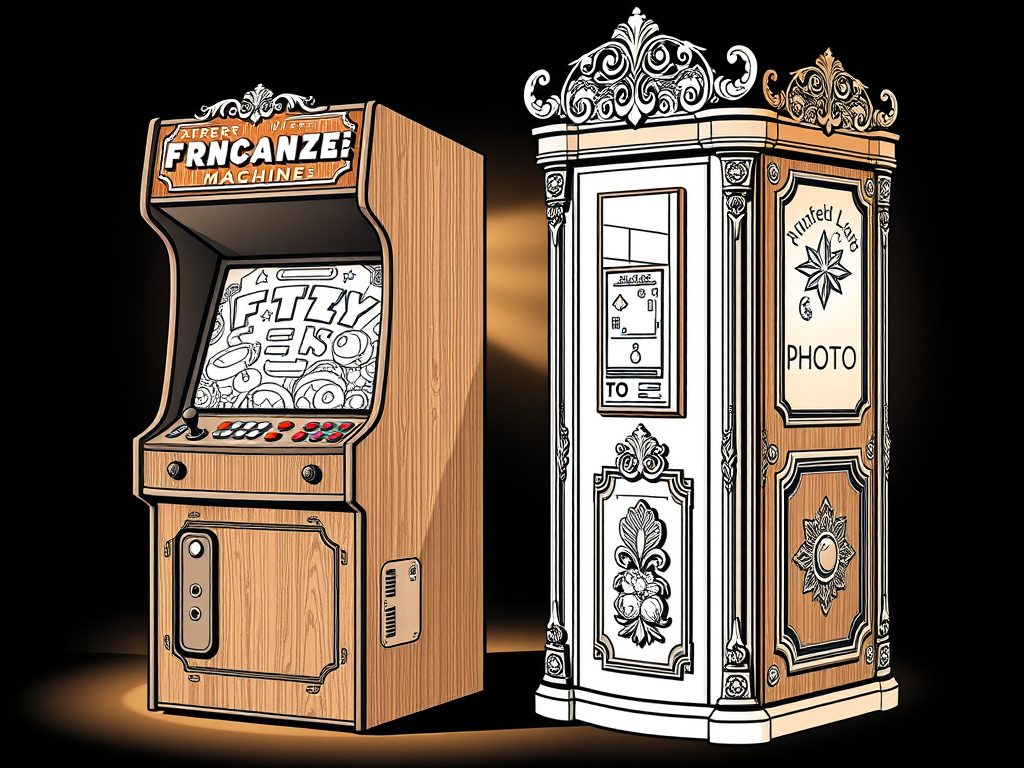
    The world is awash in nostalgia. We crave the tactile feel of an arcade joystick, the satisfying clunk of a coin dropping into a slot, and the private intimacy of a classic photo booth session. This desire for vintage experiences has fueled a massive industry, leading to the proliferation of retro-styled machines in bars, venues, and homes across the globe. But what if I told you that the charming, wood-paneled photo booth you used last weekend, or the meticulously restored, towering arcade cabinet from your local brewery, is almost certainly a lie?

    These machines are not time capsules. They are not analog relics salvaged from a bygone era. They are what we call “Frankenstein Machines”…beautiful, vintage shells housing completely modern, digital guts. They look like the past, but they run on the technology of the present. And for a long time, the only way to get one was to pay a premium for a professionally fabricated unit, leaving enthusiasts and creative builders on the outside looking in.

    The truth about the “vintage” experience is that the aesthetic is the only thing that’s old. Inside that heavy, ornate wooden cabinet is an affordable mini-PC, a high-resolution digital camera, an LED touchscreen, and a thermal printer. The complex, mechanical systems that defined the originals…the film development, the clattering relays, the intricate coin mechanisms…have been replaced by reliable, lightning-fast software.The Anatomy of the Digital Deception

    Why the deception? It’s not malicious; it’s pragmatic. The original analog machines were maintenance nightmares. They broke down constantly, required specialized parts and expertise, and provided poor, inconsistent results. Try running a film-based photo booth in a high-traffic venue today, and you’ll spend more on chemicals and repairs than you make in quarters.

    The Frankenstein Machine solves this problem by offering the best of both worlds: unassailable vintage vibe with uncompromising modern reliability. * The Shell (The Body): This is the critical, visible part. It’s the original 1960s photo booth enclosure, or a bespoke cabinet crafted from reclaimed wood. It provides the texture, the heft, the visual memory that the user is actually seeking. It is the “analog” anchor.
    * The Digital Core (The Brain): This is the hidden system: an inexpensive, powerful computer (the brains), a high-quality camera (the eyes), a commercial-grade screen (the face), and a fast printer (the hand). This core provides the speed, the connectivity (social sharing, Wi-Fi), and the high-resolution output that modern users expect.The challenge for builders, DIY enthusiasts, and entrepreneurs has always been bridging this divide. Creating the cabinet…the “shell”…is a woodworking challenge, but it’s manageable. But what about the software? How do you create an operating system that seamlessly handles:1. Triggering the sequence: Tying a physical button or a touchscreen tap to the camera start.
    2. The countdown: Displaying the classic four-frame layout with perfect timing.
    3. The capture: Interfacing with various digital camera models and grabbing high-quality images.
    4. The processing: Applying a vintage filter, stitching the strip together, and adding a watermark.
    5. The delivery: Sending the image to the printer and simultaneously uploading it to a gallery or a social media feed.That “brain”…the software logic that controls the entire user experience from a nostalgic ‘start’ to a modern ‘share’…is the most complex and expensive part of the equation. It requires deep knowledge of hardware drivers, real-time operating systems, and a polished, idiot-proof user interface. It’s what separates a pile of components from a revenue-generating, crowd-pleasing experience.ZillaBooth: The Brains You’ve Been Waiting For

    This is where ZillaBooth steps in. We recognize that the true barrier to entry for the custom-machine movement isn’t the lumber, the paint, or the screen…it’s the software. ZillaBooth doesn’t sell you a whole machine; we sell you the software brains, a robust, mature, and deeply configurable operating system designed specifically to power your digital-interior, analog-exterior “shell.”

    Think of us as the digital Dr. Frankenstein, providing the spark of life that animates your physical creation. Our mission is to democratize the building of these Frankenstein Machines by neutralizing the single most difficult technical challenge: the code.The Core Features of the ZillaBooth Brain

    ZillaBooth is not just a photo app; it is a full, enterprise-grade machine operating system built for custom kiosks, photo booths, and interactive displays. Our focus on abstraction…separating the software logic from the specific hardware…is what gives the user the ultimate freedom to build their unique shell.1. Hardware Agnosticism and Universal Drivers: The ZillaBooth OS is designed to run on common, powerful, and affordable hardware, not proprietary locked-down systems. It runs smoothly on Windows mini-PCs, a wide array of industrial touchscreens, and easily interfaces with popular cameras (webcams, DSLRs like Canon and Nikon, and even high-end studio strobes). This means you can focus your budget and attention on the shell, confident that the brain will plug into whatever digital components you choose.
    2. The True Analog Look, Digitally Rendered: The vintage charm is in the output. ZillaBooth offers a suite of highly-tuned, pre-sets that mimic the look of classic media:
    * Authentic Dye-Sublimation Profiles: We ensure prints from modern thermal printers look exactly like the glossy, often slightly tinted strips of 1950s electro-chemical prints.
    * Period Filters: Filters that don’t just apply a faded color but correctly replicate the high contrast and light leak patterns of cheap film.
    * Customizable Layouts: Easily design any strip, postcard, or grid layout, complete with custom logos and text, ready for both printing and high-resolution social sharing.
    3. The Perfect User Flow: The software is built around a simple, customizable sequence. The interface is clean, intuitive, and designed to disappear, allowing the user to focus on the experience, not the technology. Every aspect…from the number of frames to the time between shots and the specific messages displayed…is configurable. This is the art of making modern tech feel beautifully simple, like a machine from a simpler time.
    4. Monetization and Management Tools: For those building a booth for a business or rental fleet, ZillaBooth includes the back-end tools you need: secure transaction processing, real-time remote monitoring, and data collection on usage and revenue. This turns your custom physical shell from a hobby project into a self-managing asset.Building Your Shell: Embracing the Freedom of Form

    Once you have the ZillaBooth brain, the only limit is your imagination and your toolbox. We free you from worrying about the code so you can pour your creative energy into the external design…the shell. This is the true spirit of the Frankenstein Machine movement: you are the architect of the experience.

    Imagine a machine built for a specific purpose: * The Steampunk Booth: Housed in a brass and copper cabinet with exposed gears and antique meters. The ZillaBooth software is configured to respond to a heavy, steam-powered lever that users pull to start the session, triggering a burst of flash and a black-and-white, sepia-toned print. The software handles all the internal complexity…you only had to wire a simple relay from the lever to the computer’s USB port.
    * The Mid-Century Modern Jukebox-Cam: A sleek, low-profile machine designed to look like a 1950s hi-fi cabinet. It blends into a stylish living room or a boutique hotel lobby. The shell houses the screen and camera, and ZillaBooth is configured to use an external, retro-styled button panel for user inputs.
    * The Street-Art Vending Machine: A graffiti-covered, metal shell designed to look like a rugged street vendor. The ZillaBooth software prints photos onto sticker paper, complete with QR codes for digital downloads, perfectly matching the raw, urban aesthetic of the enclosure.The beauty of ZillaBooth is that it isolates the technical and the aesthetic. The software is robust enough to handle the most demanding functions, allowing you to use the external shell as a canvas for pure, unadulterated style. The digital core is standardized; the physical form is infinitely customizable.The New Analog: Authenticity Through Synthesis

    To critics who might argue that a digital interior makes the experience “less authentic,” we offer a philosophical counterpoint. Authenticity in vintage machines was never about the fragile mechanics; it was about the experience…the curtain being drawn, the fixed focus, the waiting, the unique look of the resulting print.

    The Frankenstein Machine, powered by ZillaBooth, is a new kind of analog experience. It offers:1. Intentional Imperfection: The software allows you to intentionally bake in the “flaws” of the past…the high contrast, the slight lens distortion, the cut-off frames…while ensuring the final image is a high-quality, shareable file. It’s controlled nostalgia.
    2. Sustainability: By using modern, easily sourced, and energy-efficient digital components, your creation is infinitely more sustainable than maintaining genuine 60-year-old analog mechanics.
    3. Future-Proofing: The ZillaBooth brain can be updated, adding new features, filters, and compatibility with new cameras and printers as they become available. The shell remains a timeless piece of art, while the brain evolves to stay cutting-edge.This is the true synthesis of digital and analog: using the power and reliability of modern computing to perfectly emulate the beloved results and ritual of the past. It’s not a cheat; it’s an evolution.

    Stop settling for the generic, store-bought photo booth box. Stop letting complicated code block your creativity. You’ve got the vision for the ultimate shell…the perfect look, the ideal tactile experience, the unique form factor. ZillaBooth offers you the industrial-strength brains to bring that shell to life. It’s time to become the architect of your own unique, modern-vintage experience. Download the ZillaBooth OS today, wire up your components, and start building your first masterpiece…your very own, perfectly animated Frankenstein Machine.

  • The Future of the Photo Booth: AI and Beyond

    The Future of the Photo Booth: AI and Beyond

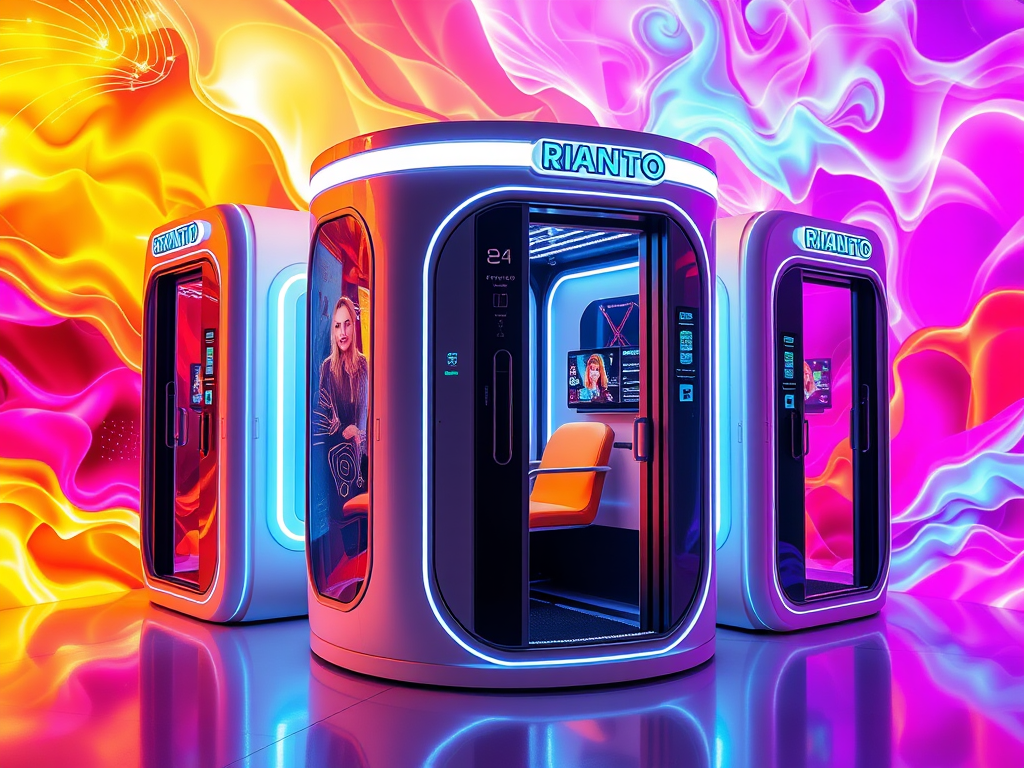
    The evolution of the simple photo booth is at a critical juncture. For decades, the charm of the booth lay in its immediacy, its small-box intimacy, and the raw, often hilarious, imperfection of the strip of four photos it spat out. It was an analog anchor in a digitally accelerating world, a machine dedicated to capturing candid, unfiltered human connection. But as Artificial Intelligence (AI) permeates every layer of the digital ecosystem, the photo booth industry is bracing for a transformation that promises…or threatens…to completely redefine the experience.

    The future, as projected by many tech optimists, is one where the photo booth becomes a highly sophisticated, predictive, and generative tool. At the forefront of this shift is the deployment of advanced AI imaging and facial recognition technologies. Imagine a booth that doesn’t just take a picture, but instantly analyzes the composition, light, and subjects’ expressions. This next-generation system would employ AI to automatically perfect the image, going far beyond simple digital flash. It could correct for bad lighting in real-time, instantly smooth out skin texture, adjust color balance to match a high-end photographer’s signature look, and even subtly alter facial symmetry to conform to prevailing aesthetic ideals. The output would be a product of machine-generated perfection…an image that is technically flawless but perhaps emotionally sterile.

    Beyond mere correction, the predictive capabilities of AI promise an era of hyper-customization. Facial recognition, a technology that has already sparked widespread debate in public safety and social media, is poised to enter the booth. An AI-powered booth could recognize a returning customer, recall their preferred filters, and instantly generate backgrounds tailored to their past choices or, more invasively, to data pulled from their public social profiles. Planning a trip to Paris? The AI might instantly render a dynamic Eiffel Tower background. The process moves from capture to generation, where the photo booth is less a camera and more a content factory. Furthermore, generative AI could be used to remix the subjects entirely, placing them into a completely different artistic style, turning a simple photo strip into a Van Gogh-esque painting or a comic book panel on demand. This shift represents a move toward content that is highly consumable, shareable, and optimized for virality…but it fundamentally alters the relationship between the subject and their memory.

    This wholesale embrace of ‘over-AI’d photos,’ however, introduces a critical and often overlooked set of trade-offs. The first casualty is authenticity. The very charm of the classic photo booth was its commitment to the moment: the awkward, spur-of-the-moment pose, the goofy face, the genuine, unforced laughter. When AI intervenes to “perfect” an image…smoothing, correcting, and stylizing…it erodes the candid truth of the moment. The output becomes a manufactured, idealized version of reality, indistinguishable from a dozen other heavily filtered selfies. As consumers, we are already experiencing significant fatigue with this aesthetic uniformity. When every image is polished to the same sheen of perfection, the emotional resonance of the photograph declines. We want to see the real moment, not its improved avatar.

    The second, and far more serious, concern revolves around privacy and control. The integration of facial recognition, while convenient for instant sharing and personalization, represents a massive step toward surveillance and data collection. When a photo booth uses facial recognition, it’s not just recognizing a face for a moment; it’s potentially creating a permanent biometric profile linked to a unique piece of personalized, private data. Furthermore, the push for instant, automated social sharing, often touted as a feature of these AI-powered systems, transforms a private moment of fun among friends into public marketing collateral. The couple or event host loses control the moment the photo is taken, as the data is instantly beamed into a cloud governed by the photo booth operator and its AI vendors. This trade-off of convenience for personal data and control is the core issue defining the “over-AI’d” future. The consumer’s memory becomes another input for a machine’s data model. The moment is sacrificed to the metric.

    In this context of accelerating digital perfection and eroding privacy, ZillaBooth is staking a firm and necessary claim as the streamlined, “human-centric” alternative. It is not an anti-technology stance, but a purposeful rejection of unnecessary complexity and data-hungry AI. ZillaBooth’s philosophy recognizes that the true value of a photo booth is not in its computational power, but in its ability to facilitate authentic, spontaneous human interaction.

    ZillaBooth’s design is intentionally streamlined, serving as a clean, high-quality capture tool rather than a complex AI engine. The focus is on exceptional hardware…professional-grade cameras, lighting, and printing…that ensures a stunning image without resorting to deep-learning algorithms for correction. This commitment to ‘streamlined’ operation translates to a user experience that is simple, instantaneous, and focused on the interaction happening inside the booth, not the processing happening behind the screen. The machine steps back, allowing the human element to dominate. The memories are genuine, crisp, and true to the moment they were captured, celebrated for their spontaneity, not their digital polish.

    The “human-centric” core of ZillaBooth manifests most powerfully in its privacy-by-design approach. In a world where photo booths are becoming data collectors, ZillaBooth operates on a principle of trust and absolute user control. The system is designed to be self-contained and locally managed, minimizing the inherent risks associated with cloud-based, automated sharing and facial recognition. The images and data are sequestered and placed directly in the hands of the event organizer or host, not automatically broadcast to the world.

    This model rejects the modern impulse for instantaneous, uncurated public sharing. There is no automated social media integration, no “upload to Instagram” button presented to the user inside the booth. Guests are encouraged to capture the memory for the host…for the shared experience…not for their own personal social feed. This design choice powerfully reinforces the notion of a “circle of trust” around an event, ensuring that the precious, candid moments remain the private property of the people who created them. This is the antidote to social media fatigue; it is a commitment to the memory as a private heirloom, not a public piece of content.

    Furthermore, ZillaBooth’s rejection of excessive AI-driven personalization is a deliberate choice to maintain accessibility and authentic fun. While AI-booths might generate 100 different digital backgrounds, ZillaBooth prioritizes physical, tangible props and backdrops that encourage real-world play and interaction. The memories created are not composites of algorithms and digital overlays; they are high-quality records of genuine human expression and interaction…the goofy prop combinations, the spontaneous huddle of friends, the simple, honest fun of being present. The focus remains on the people and the party, not the processing power.

    The future of the photo booth is thus a fork in the road: the path of the AI-driven system, which prioritizes technical perfection, data collection, and viral shareability at the cost of authenticity and privacy; or the path championed by ZillaBooth, which doubles down on the core, timeless appeal of the photo booth…simplicity, quality, and human connection. In an era where digital noise and algorithmic perfection are the defaults, ZillaBooth stands as a necessary, refreshing counterpoint…a technology designed to capture real life, not to refine or replace it. It ensures that the memories made remain just that: memories, not metrics. And in the long run, it is the genuine, human-centric memory that truly endures.

  • Reclaiming the “First Look”: Private Moments Before the Party

    Reclaiming the “First Look”: Private Moments Before the Party

    The wedding planning conversation has fundamentally changed. No longer is the proposal the starting pistol; for a growing number of couples, it’s merely a checkpoint. The data is clear: an astonishing one in five couples are now diving into the demanding world of vendor quotes, date confirmations, and venue scouting before the ring is even on the finger. This reality…the rise of the ‘pre-proposal planner’…signals a profound cultural shift. It’s not just about efficiency; it’s about control, certainty, and a deep-seated desire to ensure the most important day of their lives is not left to chance. But amidst this early, high-stakes planning, something vital can be lost: the intimate, low-pressure joy of the journey itself. The focus shifts too quickly to the event, overlooking the emotional transition into a forever partnership. This is where modern couples are finding ingenious ways to reclaim their time and their authenticity, particularly through a fresh interpretation of one of the wedding day’s most sacred rituals: the First Look. They are recognizing that the true magic lies not in the performance for others, but in the private moments of connection, and they are leveraging sophisticated tools to practice, personalize, and perfect these interactions long before the big day arrives. This conscious effort is about injecting genuine, unscripted emotion back into a process that can often feel excessively curated.

    The modern couple is not rejecting tradition; they are simply de-risking their experience. The pressure to produce a flawless, social-media-ready wedding has never been higher, and this pressure trickles down directly into the photography. For most people, being the center of attention under the scrutiny of a professional photographer’s lens is inherently uncomfortable. The wedding day’s ‘First Look’…traditionally the moment a groom sees his bride in her gown for the first time…is supposed to be a peak emotional moment, but it’s often plagued by performance anxiety. Am I smiling right? Should I be crying? Where do I put my hands? The pressure to produce a viral, frame-worthy photograph can completely eclipse the genuine emotion. This is precisely why the pre-planning couples are ahead of the curve. They understand that a beautiful moment must be built on comfort, and comfort is born from practice. They are embracing the idea of ‘photo rehearsal’ as a core part of their planning, not just to look good, but to feel natural and present when it truly matters. They are separating the action (seeing each other) from the performance (being photographed doing it). This separation is the foundation of the reclaimed “First Look.”

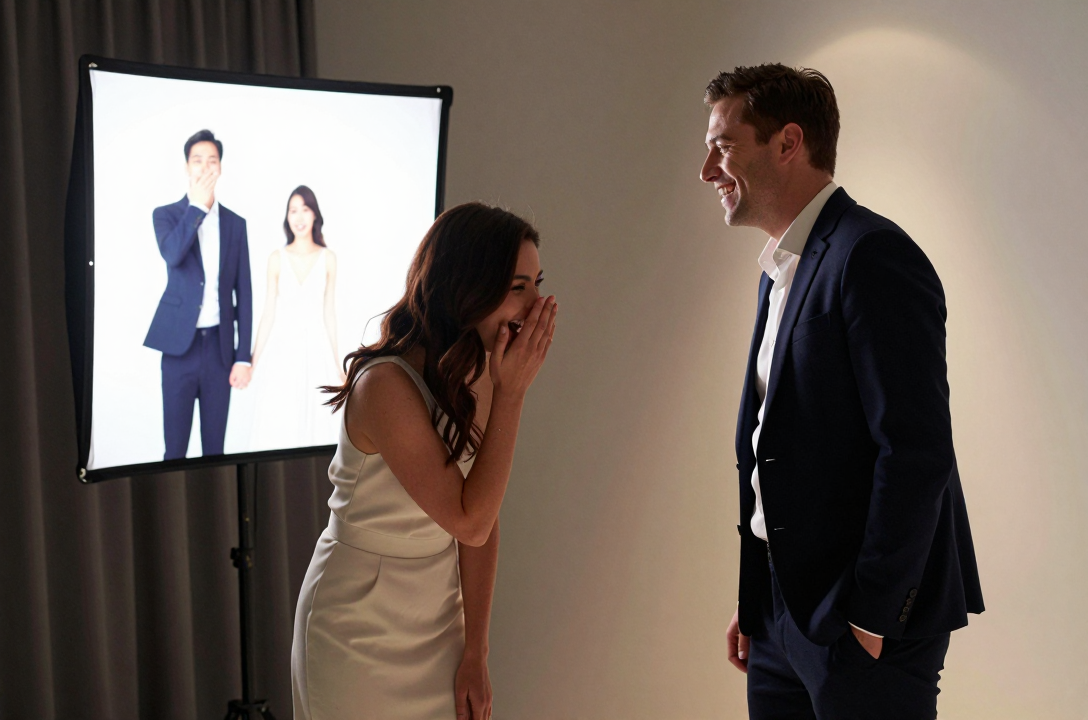
    The ZillaBooth system, a professional-grade self-service photography solution, is proving to be an indispensable tool for these modern, proactive couples. Its versatility allows it to seamlessly integrate into two critical pre-wedding moments: the engagement party and private pre-sessions. At the engagement party, ZillaBooth offers a relaxed, uninhibited capture experience far beyond a standard photo booth. It’s a dedicated, professional-quality station that couples and their guests can control themselves, often featuring proprietary software that provides gentle guidance. Instead of a stiff, forced smile in a traditional portrait, the booth encourages playful interactions, quick video snippets, and candid group shots, normalizing the feeling of being photographed together in a celebratory environment. Crucially, the quality of the ZillaBooth’s output is high enough to generate authentic, beautiful images that can be immediately shared, building the couple’s visual narrative in a way that feels organic and fun, rather than staged. This low-stakes exposure is the first step in conditioning the couple for the constant camera presence of the wedding day, providing a comfortable visual warm-up for both themselves and their inner circle. The memories captured here are lively, spontaneous, and stand in sharp contrast to the more formal portraits to come, serving as a genuine celebration of their new status.

    However, the true genius of utilizing ZillaBooth lies in the dedicated, private “First Look” practice session. This is where couples deliberately use the platform to work through their visual insecurities, transforming a necessary, stressful photography moment into a relaxed, intimate ritual of their own design. These private sessions, conducted weeks or months before the wedding, are essentially posing boot camps wrapped in an intimate date night. The couple can practice key poses: the embrace, the walk, the simple hand-hold, and the meaningful gaze. They can do this in a low-pressure environment, wearing simple clothing or even their chosen reception attire, and they can review the results instantly on the ZillaBooth’s connected screen. The system can be programmed to offer gentle, non-intrusive coaching cues, such as “Try shifting your weight to the back foot” or “Slightly drop the shoulder,” acting as an invisible third-party photography coach. The self-guided nature of the session allows for endless experimentation without the time clock or the pressure of a photographer watching their every move. They can look awkward, laugh, and try again until the movements feel intuitive.

    This practice session accomplishes several crucial goals. First, it identifies and corrects the specific, awkward habits (like the dreaded ‘T-Rex arm’ or the uncomfortable neck tilt) that often sabotage wedding photos. By immediately seeing the results, the couple develops a visual awareness of what works best for their body language and relationship dynamic. Second, and most importantly, it builds muscle memory for comfort and genuine connection. By the time the wedding day photographer steps in, the couple is no longer thinking about how to stand; they are simply reacting to each other. The practice has transformed a potential moment of performance anxiety into a genuine, relaxed, and deeply felt emotional experience. The stress about the camera is gone; it has been neutralized by repetition. What remains is a pure, unadulterated emotional reaction…the tear, the gasp, the silent moment of awe…that the professional photographer can capture effortlessly, because the couple is truly present. They have essentially moved the ‘technical rehearsal’ out of the way of the ‘opening night performance.’

    Furthermore, this concept extends beyond just the First Look. It applies to all key photography moments, from the staged family portraits to the candid shots during the reception. A couple comfortable in their shared visual space moves through the day with an effortless grace that translates directly into stunning, natural-looking imagery. The forced, ‘Pinterest-perfect’ poses are replaced by gestures that are authentic to the couple’s relationship. By outsourcing the stress of posing to ZillaBooth in a private setting, couples are actively protecting the spontaneity of their big day. They are not chasing a curated image; they are simply being themselves, having perfected the art of being unposed. This approach is the ultimate form of modern wedding preparation, honoring both the need for flawless execution and the non-negotiable requirement for genuine emotional connection. The investment in these private, pre-wedding sessions is an investment in the emotional integrity of the wedding day itself, ensuring that the visual story of their wedding is not just beautiful, but profoundly real. This is how the one in five pre-planning couples truly reclaims their narrative, turning what could be a high-pressure photoshoot into a deeply personal, cherished memory. The wedding is the party; the moments before it, refined in private, are the true treasures.

  • Fundraisers & Galas: The “Step and Repeat” Evolution

    Fundraisers & Galas: The “Step and Repeat” Evolution

    The traditional ‘step-and-repeat’ banner, that iconic wall of sponsor logos where VIPs pause for a quick flash, is an absolute staple of the modern fundraising gala, corporate event, and exclusive premiere. It is the designated photo opportunity, a non-negotiable moment of brand visibility and celebrity sighting. For decades, the ritual has remained unchanged: an event photographer stands poised, snaps a few dozen shots of each group, thanks them, and then moves on. The promise of the photo…the actual currency of the moment…is that the images will be delivered “in a few days.”

    In the 2020s, a delay of “a few days” is not just inconvenient; it’s an operational and marketing failure.

    We are living in an era of instantaneity, where social media reach peaks within hours, not days. The value of a beautiful, branded, high-quality photograph is highest in the 15 minutes following its capture, when the attendee is still at the event, buzzing with energy, and scrolling through their social feeds. This is where the old model…the tethered event photographer…falls tragically short, and where the self-service, digital-first ZillaBooth kiosk steps in to rewrite the rules of event visibility and donor recognition.The Archaic Bottleneck of Traditional Event Photography

    Consider the journey of a single photograph taken at a high-profile gala.1. Capture: The photographer takes the image.
    2. Transfer: At the end of the night, the photographer downloads hundreds or thousands of RAW files.
    3. Cull & Edit: A day or two is spent culling the best shots, color-correcting, and adding a simple watermark or crop.
    4. Delivery: The organizer receives a massive gallery link, which they then have to disseminate to attendees, often days after the event’s social media peak has passed.The primary goal of the step-and-repeat…providing instant, high-profile recognition for corporate sponsors and key donors…is completely undermined by this slow, analog process. A sponsor logo that appears on an attendee’s Instagram story during the event is live, relevant, and engaging. The same logo shared 72 hours later is simply documentation. By replacing the photographer with an intelligently designed, self-contained ZillaBooth kiosk, we dissolve this bottleneck entirely, translating event capture into immediate, measurable donor visibility.The ZillaBooth Kiosk: A 24/7 Digital Publicist

    A ZillaBooth is more than a simple photo booth; it is a professional-grade, self-operating media station engineered specifically for high-volume, high-value corporate and non-profit events. It combines studio-quality lighting, a high-resolution camera, and a smooth, intuitive touch-screen interface. Its entire operational philosophy is centered on the prompt: Instant sharing means instant donor visibility.

    How the ZillaBooth Kiosk Works at the Step-and-Repeat:1. Pose & Snap: Attendees approach the ZillaBooth, which is already perfectly positioned and lit. They tap the screen, pose, and the professional-grade camera captures the moment.
    2. Instant Preview & Branding: The image appears instantly on the screen, overlaid with the event’s custom-designed digital frame, prominently featuring the logos of the event’s top-tier sponsors and the official event hashtag.
    3. Digital Delivery: The attendee enters their email address or phone number, or scans a QR code. Seconds later, the fully branded, high-resolution photo is in their hand, ready to be shared.
    4. Immediate Social Action: With the image already on their phone, the attendee can post it to Instagram, X, or LinkedIn before they even walk from the step-and-repeat to the cocktail reception. This is the moment of peak visibility, where the sponsor logos gain maximum, real-time exposure.The Immediate Return on Visibility (ROV)

    The most compelling argument for this evolution is the unprecedented Return on Visibility (ROV) it generates for sponsors. Event sponsorship is fundamentally a transaction of money for visibility. By offering instant social media reach, the ZillaBooth solution drastically enhances the perceived and actual value of every sponsor package.1. Maximize the Event Hashtag: When photos are shared immediately, the official event hashtag begins trending and accumulating content in real-time. This creates a powerful, dynamic social narrative as the event is happening, drawing attention from followers who are not present and increasing ticket sales potential for future events.
    2. High-Value Tagging: The ZillaBooth template ensures that every single shared photo is already tagged with the correct, high-resolution sponsor logos. This eliminates the risk of attendees forgetting to tag or incorrectly tagging event sponsors, ensuring guaranteed brand impressions on every share.
    3. Extended Brand Life: An attendee’s post that generates engagement the night of the gala lives on the internet indefinitely, serving as a social proof of their attendance and a visual endorsement of the event and its partners. This is far more impactful than a static, archival gallery link shared a week later.The Donor Experience: Instant Gratification is the New White Glove Service

    For the high-net-worth individual, the CEO, or the key donor, the ZillaBooth experience is a significant upgrade to their evening. These individuals value efficiency and quality. They don’t want to be chased down days later for their photo; they want a high-quality asset for their personal or corporate social feed immediately. * Autonomy: The self-service nature respects their time and privacy. There is no awkward interaction or wait time with a busy photographer.
    * Quality: ZillaBooth systems are equipped with professional-grade flashes and lenses, delivering a polished, perfectly lit image every time, removing the variability of a single freelance photographer.
    * Convenience: The photo is immediately accessible via text or email, an elegant and simple delivery method that requires no app download or cumbersome gallery search.This small yet critical change in the photo delivery mechanism transforms the step-and-repeat from a necessary chore into an exciting, value-added moment of instant gratification, reinforcing the overall premium feel of the event.Operational Excellence and Data Capture

    Beyond the marketing benefits, the ZillaBooth offers tangible operational advantages for the event planner:1. Reduced Staffing and Cost Variability

    Event photographers are expensive, and their hourly rate typically does not include the days of post-production required to deliver the final gallery. By automating the capture, editing, and distribution process, ZillaBooth significantly reduces personnel costs. The system is deployed once and operates autonomously for the duration of the event, generating perfectly branded, print-ready or share-ready photos without human intervention.2. The Golden Moment of Data Capture

    Perhaps the most underappreciated asset of the ZillaBooth is its powerful ability to capture data at the moment of joy. When an attendee is enthusiastic about receiving their photo, they are highly motivated to provide accurate contact information (email or phone number) to ensure delivery. This opt-in data collection is invaluable. * Actionable Contacts: The organizer gains a GDPR/CCPA compliant list of highly engaged attendees.
    * Direct Follow-Up: These contacts can be immediately segmented for a targeted follow-up communication…a thank you note, an appeal for an extra donation, or an early bird announcement for next year’s event…all tied directly to the positive memory of their photo moment. The data is clean, accurate, and ready for integration into the CRM system before the event lights are even turned off.3. Real-Time Analytics

    Unlike a traditional photographer’s workflow, ZillaBooth is a fully instrumented platform. Event organizers gain access to a dashboard that provides critical metrics in real-time: * Total Sessions/Photos Taken
    * Total Shares (by platform, e.g., Instagram, Text)
    * Viral Reach (Estimated total impressions generated by shared content)This data allows the event team to quantify the value delivered to sponsors, moving the conversation from “we took great photos” to “your brand generated 50,000 organic social impressions within four hours of the event opening.”Making the Switch: A Seamless Transition

    Implementing the ZillaBooth evolution is designed to be seamless. Event organizers simply:1. Design the Digital Overlay: Submit sponsor logos, event hashtags, and event branding. This is pre-loaded onto the kiosk template.
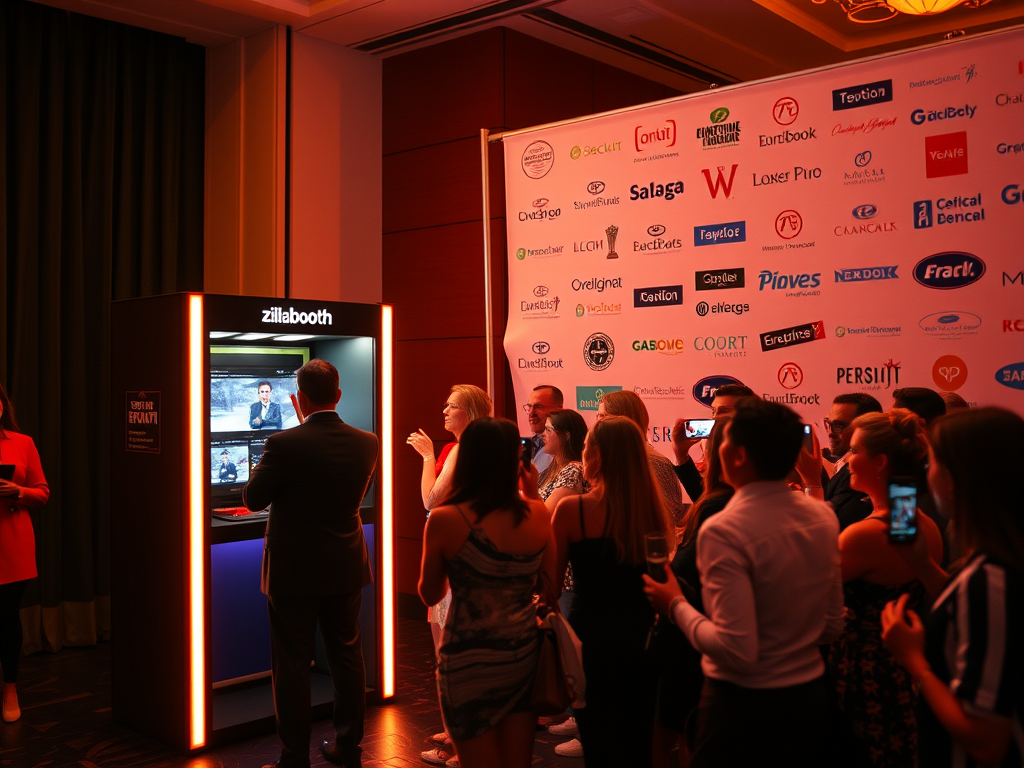
    2. Position the Kiosk: Place the ZillaBooth exactly where the photographer used to stand…in front of the step-and-repeat backdrop.
    3. Go Live: The kiosk is self-explanatory. Its intuitive prompts guide attendees through the photo, preview, and sharing process in under 30 seconds per group.The result is a step-and-repeat experience that respects the historical role of event documentation while completely modernizing the delivery and marketing function. It is a strategic upgrade that turns a passive photo opportunity into an active, real-time social media campaign. The evolution from a human photographer to a ZillaBooth kiosk is not merely a swap of technology; it is a fundamental shift in philosophy, trading delayed documentation for instant visibility. For the future of successful fundraising and sponsor engagement, the time to step into the digital spotlight is now.