Category: Venues & Hospitality

Photo booth ideas for cafes, restaurants, retail, nightlife, real estate, schools, and hospitality venues building community and foot traffic.

  • Coffee Shop Culture: The Community Camera

    Coffee Shop Culture: The Community Camera

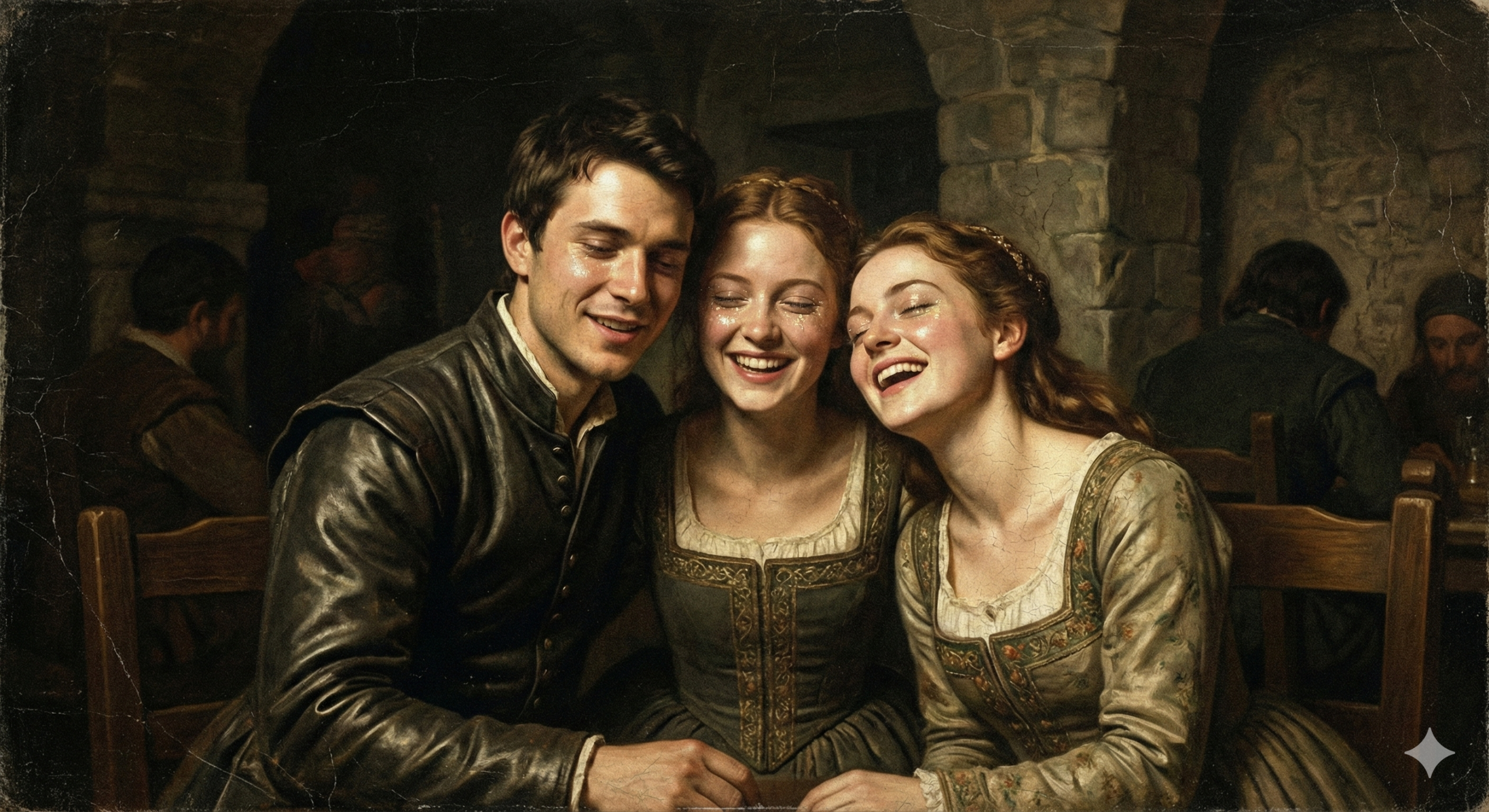
    For decades, the local coffee shop has been revered as the quintessential “Third Place”…a vital space separate from the home (First Place) and work (Second Place) where people gather to socialize, find solace, and engage with their neighborhood. It is the communal living room of the modern city, fueled by caffeine and characterized by the comfortable, rhythmic predictability of its clientele. When you become a Regular at a cafe, you are not just a customer; you are a participant in a daily ritual, a familiar face whose order is known, whose mood is often tracked, and whose absence is noted. This deep, unwritten social contract is the very soul of the coffee shop experience. Yet, in our hyper-connected digital age, this sense of authentic, tangible community is increasingly under threat. We sit at tables, physically together, but often miles apart, buried behind the blue glow of our screens. Our attention is fractured, our interactions transactional, and the profound, silent recognition that defines true community is fading in a haze of Wi-Fi passwords and mobile order pickups. The challenge for the modern cafe isn’t just serving the best latte; it’s recapturing the soul of the Third Place and using technology not as a barrier, but as a bridge to real-world connection. This is where the concept of The Community Camera…a focused, purposeful digital installation designed for the cafe’s most loyal patrons…provides a revolutionary solution.

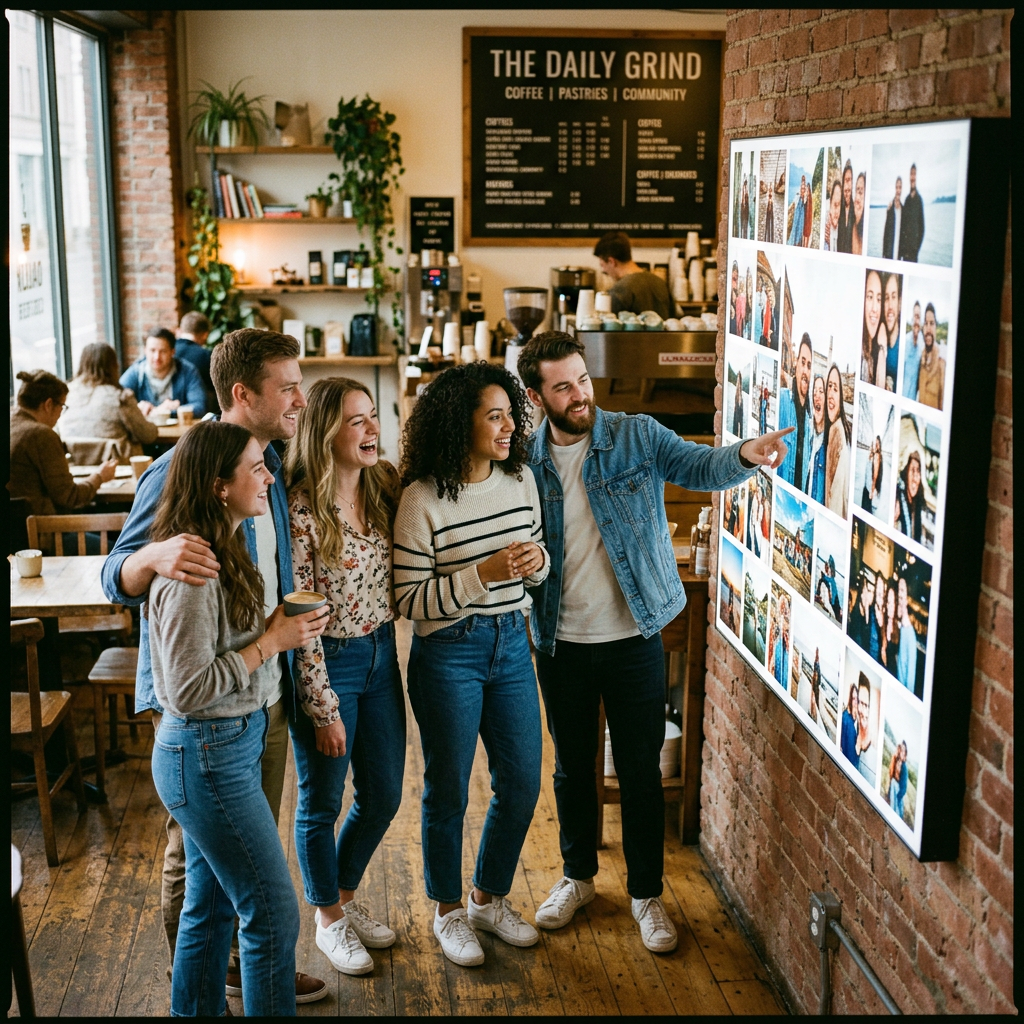
    The Community Camera is not just a standard photo booth. It’s a sophisticated, intentionally designed social touchpoint, permanently installed in a prominent, welcoming corner of the café. Its sole purpose is to celebrate and document the daily, unassuming presence of the “Regulars.” Think of it as the ultimate in-house social media platform, one that is visible only to the people who walk through your doors every day. It’s a curated, digital history of your establishment, captured one familiar face at a time. The system is designed to be frictionless and fast, requiring only a moment of the Regular’s time. A simple, large, touch-enabled screen invites them to “Capture Your Day.” With a tap, the camera, often employing a flattering but honest lighting setup, snaps a quick, high-quality portrait. This isn’t a selfie station; it’s a documentation of belonging. The images are timestamped, automatically tagged with a custom Regulars ID, and immediately uploaded to a private, dynamic digital display…The Photo Wall.

    The Regular is the lifeblood of any local business. They are the financial foundation, the word-of-mouth marketing, and the cultural anchors of the café. They are the ones who come in three times a week, order the same oat milk cappuccino, and know the baristas’ names. Their loyalty is invaluable, and The Community Camera offers a physical, visual token of appreciation that goes beyond a simple punch card or a five-cent discount. By inviting them to be documented…to be literally put on the wall…you are elevating their status from mere customer to co-owner of the cafe’s atmosphere. This sense of public, visible recognition fulfills a deep human desire for belonging. The photos themselves are designed to be snapshots of routine. They are captured while waiting for their coffee, while reading a book, or mid-conversation…authentic moments that reflect their actual daily experience in the space. The beauty is in the repetition: seeing the same faces over weeks and months creates a visual narrative of the café’s enduring stability.

    The true magic of this system lies in The Digital Photo Wall. This isn’t a corkboard cluttered with faded pictures; it’s a sleek, modern display…perhaps a large, high-resolution monitor or a series of framed screens…that constantly rotates and displays the latest and oldest captures. This is where the community is literally made visible. When a new customer walks in, they see a gallery of the cafe’s community, a silent testament to the number of people who have chosen this place as their home away from home. When a Regular walks in, they see their own face, their friends’ faces, and the faces of people they recognize but have never spoken to. This shared visual history acts as a powerful icebreaker and conversation starter. “Hey, I saw your photo up there from last Tuesday!” Suddenly, the Regulars are connected by a shared digital thread, encouraging them to bridge the gap between shared space and actual conversation. The Digital Photo Wall becomes a living, breathing mural of loyalty. It shows the community the café is building, not just the coffee it is serving. You can introduce features like a “Regular of the Week” spotlight, displaying an extended gallery of one person’s photos alongside a short, anonymous quote about why they love the café. This adds a layer of gamification and celebration, providing a non-monetary but highly valued reward.

    For the café owner, The Community Camera provides far more than just good vibes; it generates tangible business benefits. First and foremost, it is a loyalty powerhouse. Customers are intrinsically motivated to come back to see their own photo on the wall, to check if a friend has been added, or to take a new picture that better captures their current look. This deepens commitment and drives repeat visits…the holy grail of local business. Secondly, it is a unique and authentic marketing tool. In a world saturated with professional photography and staged social media content, a photo wall of genuine, local faces is refreshing and instantly shareable. Imagine a local news feature or a popular regional blog picking up the story: “The Café That Puts Its Customers on the Wall.” This earned media is priceless.

    Furthermore, the data generated by the Community Camera system offers profound operational insights. Because the photos are often tied to an optional ‘Regulars ID’ or a quick entry of a first name/initial, the café gains a better understanding of who their most loyal customers truly are, what times they frequent the shop, and which demographics dominate the community. This allows for highly targeted, personal service that transcends a generic loyalty app. Owners can identify first-time “Regulars” (those with only one or two photos) and proactively engage them to cement their loyalty. They can also use the photos to celebrate major cafe milestones…like creating a collage of everyone who visited on the café’s five-year anniversary. The photos transform abstract loyalty data into warm, personalized human stories.

    The act of capturing a moment in a coffee shop is, in a way, an act of staking a temporary claim on that space. When a person steps up to The Community Camera, they are saying: “I was here, I belong here, and this place recognizes me.” This simple yet powerful gesture fundamentally shifts the customer experience from transactional to participatory. It provides a visual, collective memory. Over time, the photo wall becomes a timeline of the neighborhood. Baristas who have moved on, couples who met there, students who studied for their finals…their memories are preserved. This enhances the cafe’s legacy and makes it a historical touchstone for the community, a place where people can genuinely track their own lives and the lives of others. The Community Camera is the digital, interactive scrapbook of the Third Place. It’s a rebellion against the fleeting nature of online content, using digital means to create a physical, enduring record. It transforms the often-lonely experience of scrolling through a phone into a collective, visible celebration of local life. By giving the Regulars the literal power to be seen and remembered, the cafe owner is investing not just in their business, but in the social fabric of the entire neighborhood. This commitment to visibility and recognition is what will ensure that the local coffee shop remains a vibrant, essential ‘Third Place’ for generations to come, reminding us all that the best connections are often the ones made in person, over a perfectly brewed cup of coffee.

  • Real Estate Open Houses: The Unexpected Photo Op

    Real Estate Open Houses: The Unexpected Photo Op

    The traditional real estate open house has long been the backbone of property marketing, a necessary ritual that brings potential buyers through the door. But let’s be honest: in the age of hyper-curated social feeds and instantaneous digital connections, the standard open house…a broker standing near a bowl of M&Ms while visitors quietly judge the backsplash…is fundamentally flawed. It’s transactional, not experiential. It’s forgettable, not shareable. For a property listing to truly break through the noise and achieve virality, it can no longer rely on feet in the door; it needs fingers on the share button.

    The challenge for the modern Realtor is not merely to show a house, but to sell a dream and, crucially, to manufacture a moment that is inherently social. Enter the most novel, unexpected, and powerful marketing tactic sweeping the high-end and high-volume real estate sectors: transforming the open house into a high-tech photo opportunity, powered by platforms like ZillaBooth.

    The average open house is a passive event. Buyers walk through, take mental notes, maybe grab a paper flyer, and move on. The most enduring memory they take with them is often the discomfort of awkwardly standing in someone else’s living room. No emotional connection is forged, and absolutely no momentum is created that extends beyond the front door. The only data captured is a hastily scrawled name and email on a sign-in sheet, a lead that is cold before the agent has even packed up.

    We are no longer selling four walls and a roof; we are selling a future identity. The most powerful photo op isn’t one featuring the house’s exterior…the MLS photos already handle that. The true marketing gold is a picture of the buyer in the home, a photo that makes them look and feel like they already own it. This is where the concept of the “New Homeowner” overlay becomes a psychological masterstroke.

    Imagine a visitor…let’s call her Sarah…walking into a stunning, sun-drenched kitchen. Instead of just admiring the quartz countertop, she’s invited to step into a dedicated, well-lit photo station powered by ZillaBooth. The app prompts her to take a quick photo or a GIF, and upon completion, a beautiful, custom-designed digital overlay is automatically applied. This isn’t a generic branded frame; it’s a stylish graphic that reads: “My New Place! #FutureHomeowner #LuxuryLiving” or “Sold (To Me)! Est. 2026.”

    Sarah isn’t just taking a picture; she is momentarily performing her future self. She instantly receives the high-resolution image to her phone via text or email. What is the very first thing she will do? She will share it. She will post it to her Instagram Story, text it to her partner, and send it to her family group chat. That single act of sharing, driven by aspirational identity, is the mechanism that turns a transactional viewing into a viral property listing.

    This strategy hinges entirely on the seamless execution provided by a platform like ZillaBooth. The key differentiators that elevate this from a clumsy DIY photo booth with props are precision, speed, and automation.

    First, ZillaBooth provides professional quality. The agent can set up a simple backdrop or utilize a feature of the home (like the fireplace or the view from the deck) and use the app’s lighting features to ensure every shot is flattering. This ensures the UGC generated reflects well on the listing and the agent’s brand.

    Second, the custom overlay is automated. The branding is applied instantly, ensuring a consistent message and look. The overlay isn’t just a label; it’s the viral hashtag and the property’s address discreetly woven into the frame, providing all the necessary context for a friend viewing the post to find the listing later.

    Third, and most critically for the Realtor, ZillaBooth facilitates instant and robust data capture. The photo delivery mechanism…text or email…requires the user to provide their contact information. This transforms the cumbersome, often illegible paper sign-in sheet into an elegant, high-engagement data capture tool. A lead generated from a photo experience is not just a name; it’s a qualified, warm lead who has voluntarily provided their best contact information and has already established an emotional connection to the property. This is a massive leap in lead quality.

    The benefits of the ‘New Homeowner’ photo op can be distilled into three compelling pillars that redefine open house marketing:

    Pillar 1: The Viral Engine of User-Generated Content (UGC)
    Social media marketing for real estate is expensive, and most organic posts from agents are seen as self-promotion. UGC, however, is authentic. When Sarah posts her aspirational “New Homeowner” photo, it is perceived by her network as a genuine, exciting life event, not an advertisement. This is free, credible, word-of-mouth marketing at scale. * Reach Expansion: Sarah’s network, which is precisely the target demographic (friends who live near her, often in a similar economic bracket), sees the post. This reach is highly targeted and far more valuable than a generic paid ad.
    * Social Proof: The photo acts as social proof. It subtly says, “This property is so desirable, people are already claiming it.” This creates a sense of urgency, the Fear Of Missing Out (FOMO), which is the most effective psychological lever in real estate sales.
    * Instant Feed Curation: For the agent, they have successfully inserted their listing into the highly prized, personal content stream of a potential buyer. The property becomes a background character in the buyer’s personal narrative.Pillar 2: Superior Lead Quality and Automated Follow-Up
    The transition from a paper ledger to a digital ZillaBooth sign-in is a foundational upgrade to the Realtor’s CRM pipeline. * Verification and Quality: Requiring an email or phone number for instant photo delivery ensures the contact information is correct and primary (unlike a rushed, fake email on a clip board).
    * Segmentation: The system immediately identifies “Active Participants”…those who were engaged enough to take a photo…making them the warmest leads for immediate follow-up.
    * Contextual Follow-Up: The follow-up email or text is no longer a generic “Thanks for visiting.” It can be a personalized message: “Hope you enjoyed your virtual New Homeowner moment at 123 Maple Street! Here’s the floor plan and a quick mortgage calculator tool to help turn that photo fantasy into reality.” The conversation starts from a place of fun and connection, not cold sales pressure.
    * Data Analytics: The agent gains data on which overlay designs or photo backdrops are most successful, allowing them to refine their experiential strategy across multiple listings.Pillar 3: Elevating the Open House to an Event
    In a crowded market, differentiation is everything. This strategy instantly transforms a run-of-the-mill open house into a memorable, buzzworthy event. * A Sense of Fun: The photo booth is an icebreaker. It lowers the barrier to interaction and gives people something to do other than whisper about prices. It creates a positive, high-energy atmosphere that people associate with the property itself.
    * Emotional Anchoring: By encouraging a photo on a significant feature of the house (e.g., the wine cellar, the master bathroom, the view), the photo serves as a powerful emotional anchor. When the buyer later reviews the photo, they aren’t just seeing an image; they are reliving the feeling of that potential future moment in the home. This emotional residue is far more valuable than any staging or lighting trick.
    * Competitive Edge: A ZillaBooth setup signals that the listing agent is modern, digitally savvy, and committed to high-effort marketing. This not only attracts more buyers but also serves as a compelling differentiator when pitching to sellers who are evaluating which agent can best market their home.For Realtors ready to implement this, the key lies in the thoughtful execution of the ZillaBooth setup.
    The Realtor’s Implementation Checklist:1. Placement is Everything: Position the ZillaBooth station in the single most photographable spot in the house…the million-dollar view, the chef’s kitchen, or the spa-like master bath. This ensures the UGC generated showcases the property’s best feature.
    2. Design the Perfect Overlay: Keep the “New Homeowner” text aspirational and concise. Crucially, include the key property information: the address and the agent’s contact info or a unique, shareable hashtag for the listing (#123MapleStreetDream). Make the design elegant and non-intrusive.
    3. Active Encouragement: The agent and their team must proactively encourage every visitor to use the booth. It shouldn’t be passive. Use language like: “Before you leave, make sure you take your Future Homeowner photo…it’s the fastest way to get on our VIP list for new showings!”
    4. Instant Gratification: Ensure the ZillaBooth setup delivers the photo instantly. The window for sharing is immediate; a delay of even a few minutes can kill the viral potential.The era of transactional, silent open houses is over. The future of real estate marketing is experiential, emotional, and social. By using a powerful, automated tool like ZillaBooth to create a curated “New Homeowner” photo op, Realtors are not just holding an open house; they are launching a micro-campaign that turns every visitor into a temporary, enthusiastic brand ambassador. They are selling the dream first, capturing the lead second, and generating organic, viral buzz for their listing that money simply cannot buy. It’s a simple, elegant hack that positions the property…and the agent…at the cutting edge of digital marketing, ensuring the next open house doesn’t just sell a home, but sells a story.

  • Restaurant Marketing: “Tag Us for a Discount”

    Restaurant Marketing: “Tag Us for a Discount”

    In the hyper-competitive world of dining, simply serving great food is no longer enough. The modern restaurant’s challenge is not just to satisfy a customer’s hunger, but to capture their attention, create a memorable experience, and, most importantly, turn that single visit into a powerful, organic marketing asset. Today’s diners are constantly connected, and their social media feed is the new word-of-mouth. So, how can a restaurant seamlessly bridge the gap between in-house dining and digital promotion, all while adding genuine value to the customer experience? The answer lies in a simple, high-impact interactive strategy that leverages modern photo technology: the “Tag Us for a Discount” campaign powered by a ZillaBooth.

    This strategy is a masterful conversion of passive waiting time into an active, self-sustaining marketing engine. It transforms a potentially frustrating moment…standing in the waiting area, often hungry and restless…into an opportunity for fun, instant gratification, and valuable user-generated content (UGC).

    The core concept is brilliantly straightforward: * The Tool: Install a ZillaBooth (a premium, digital photo booth or sharing station) in the restaurant’s waiting area.
    * The Offer: Offer a specific, desirable discount (e.g., 10% off the current check, a free appetizer on the next visit, or a complimentary dessert).
    * The Action: The diner receives the discount only if they immediately share their photo strip on a major social platform (Instagram, TikTok, Facebook) and include the restaurant’s required tag/handle and a custom, pre-written share message.This isn’t just about a photo booth; it’s about a finely tuned conversion funnel that operates entirely on its own.

    The Experiential Hook: Why The Waiting Area?

    The placement of the ZillaBooth is perhaps the most strategic component of this entire plan. The waiting area is a hospitality danger zone…the one time during the customer journey where negative sentiment can build rapidly. Long wait times are a major cause of pre-meal frustration, which can taint the entire dining experience.

    A ZillaBooth solves this problem by injecting entertainment and novelty. It acts as an instant distraction and icebreaker. Instead of checking their phone repeatedly or staring awkwardly at the host stand, guests are taking fun, candid photos. The ZillaBooth’s inherent design encourages groups to interact, laugh, and relax, which significantly lowers the perceived waiting time. By the time they are seated, their mood is elevated, making them more receptive to the service and the overall ambiance. The best part? The moment they step into the booth is the moment they start generating content. The experience starts before the meal even begins.

    Mapping the Diner’s Journey: From Strip to Share

    To ensure maximum participation, the process must be frictionless. The key is in the ZillaBooth’s technology, which facilitates the sharing and ensures the specific marketing requirements are met.1. The Capture: Diners approach the ZillaBooth and take a series of photos.
    2. The Instant Gratification: The booth instantly prints a physical, branded photo strip and/or sends a digital copy (via text, email, or QR code) to the diner’s phone.
    3. The Conversion Point (The Share Message): This is where the strategy shines. The ZillaBooth software is pre-loaded with a custom sharing template. When the diner chooses to share, the system automatically drafts the perfect post for them.
    * Required Element 1: The Tag. The post includes the restaurant’s official Instagram/TikTok handle (e.g., @GourmetEatsNYC). This is essential for tracking and for getting the post in front of the diner’s network.
    * Required Element 2: The Hashtag. A unique, campaign-specific hashtag (e.g., #GourmetEatsNightOut or #ZillaBoothEats) is included for easy campaign performance tracking.
    * Required Element 3: The Call to Action. The message includes a line that promotes the restaurant or a follow-up action (e.g., “Just made a new memory while waiting for the best tacos in town! Come check them out!”).
    4. The Proof & The Reward: The diner shows the posted content on their phone screen to the host or a designated server before they are seated (or upon check-in). The staff member verifies the tag and the custom message are present. Upon verification, the diner receives their discount code or a physical voucher redeemable on the current bill or their next visit.This structure creates an immediate, low-barrier-to-entry incentive loop that guarantees the restaurant receives the marketing exposure before the cost of the discount is incurred.

    The Unrivaled Power of User-Generated Content (UGC)

    The true value of this campaign extends far beyond the minor cost of a discount. It is the quality and reach of the generated content that pays dividends. * Authenticity Over Advertising: In the age of polished brand messaging, consumers trust authentic, peer-to-peer recommendations far more than paid advertising. A photo strip shared by a friend is a genuine endorsement. It tells that person’s network, “I like this place, it’s fun, and you should go.” This social proof is gold.
    * Targeted Impressions: The content is automatically shown to the diner’s personal social network…their friends, family, and colleagues. This network is the single most valuable target audience because they are geographically local, share similar interests, and are highly receptive to the endorsement. It’s hyper-local, word-of-mouth marketing at scale.
    * Evergreen Content Repository: The restaurant gains a constant stream of high-quality, vibrant, and fun photos. These are images the restaurant can then ask permission to reshare on their own official channels (Instagram Stories, main feed) or website. This eliminates the need to constantly hire photographers for lifestyle shots, as the customers are creating the best possible marketing material…candid moments of joy and experience within the venue.
    * Search Engine Optimization (SEO) Lift: The consistent tagging and hashtagging create social signals that feed into a restaurant’s digital authority. Every mention acts as a digital vote, boosting the restaurant’s visibility in social searches and potentially in local search engine results.Implementation Blueprint: Setting Up for Success

    To execute this “Tag Us for a Discount” campaign effectively, a restaurant needs a clear, methodical plan.

    Step 1: Strategic ZillaBooth Placement and Branding
    The booth must be placed in a high-traffic area that is visually appealing. It needs to be well-lit (even though the booth has its own light, ambient lighting affects the overall feel) and set against a brand-consistent backdrop. This could be a stylish brick wall, a custom floral installation, or a wall displaying the restaurant’s unique artwork. The booth itself must be branded with the restaurant’s logo and color scheme, so the photo strips are instantly recognizable.

    Step 2: Defining the Offer and Terms
    The discount must be substantial enough to motivate action but manageable for the restaurant’s budget. * Small Discount, High Frequency: 5-10% off the current check. This is great for immediate gratification and maximizing participation.
    * High-Value, Repeat Visit: Free dessert, free signature appetizer, or 15% off the next visit. This is excellent for driving loyalty and securing a second booking.
    The terms must be simple: One photo strip share and tag = One discount per table/check.****Step 3: Configuring the Custom Share Message (The Core Hack)
    This is the most critical technical step. The ZillaBooth’s software must be programmed to instantly generate the post text. A simple message might be: “Wait is over! Celebrating with my crew @[RestaurantName]! Come grab a strip and tag them for a surprise! #RestaurantHashtag.” By pre-populating the tag and the hashtag, you remove the effort for the diner and guarantee the accuracy of the social mention.

    Step 4: Training and Promoting the Campaign
    A brilliant strategy fails without clear promotion. * Staff Training: The host stand staff are the primary facilitators. They must be able to quickly explain the offer (“Your table will be ready in 15 minutes. If you want a free appetizer, just grab a photo in the ZillaBooth and show us the post with our tag when you get seated!”).
    * Visual Signage: Large, attractive signage must be placed directly on the ZillaBooth and near the host stand. The text should be concise: “TAG US, GET [REWARD]! Ask the Host for Details.”
    * Menu Integration: Include a small, eye-catching blurb on the main dining menu promoting the social media prize, keeping the momentum going even once guests are seated.Step 5: Monitoring and Engaging
    The campaign doesn’t end when the guest is seated. The marketing team (or the manager) must actively monitor the social media tags in real-time. * Engage: Like, comment on, and reshare every single tag. A quick “So glad you enjoyed your wait! Can’t wait to see your table!” adds a personal touch and encourages future participation.
    * Measure: Track how many unique shares are generated per week. Compare the cost of the discount given versus the estimated equivalent cost of paid digital advertising to reach the same number of users. The ROI of UGC is almost always dramatically higher.Beyond the Basics: Advanced ZillaBooth Tactics

    Once the core campaign is running smoothly, a restaurant can elevate the strategy with a few high-level tactics:1. Themed Backgrounds and Props: Change the ZillaBooth props and digital backgrounds monthly to align with holidays, seasons, or special events (e.g., a “Summer Sip” theme in July or a “Holiday Lights” theme in December). This creates a fresh reason for repeat customers to participate and generate new, timely content.
    2. Weekly “Best of the Booth” Contest: Host a weekly competition where the staff votes for the best ZillaBooth photo strip shared. The winner receives a higher-value prize, such as a $50 gift card. This adds a layer of competitive fun and drives up the creativity and quality of the shared content.
    3. Integrate with Loyalty/SMS: The ZillaBooth can be configured to require an email or phone number to send the digital photo strip. This simple step turns a marketing impulse into a lead generation opportunity, allowing the restaurant to build its email list for future promotions and loyalty programs.The “Tag Us for a Discount” ZillaBooth strategy is a perfect marriage of technology, psychology, and hospitality. It is a powerful, low-maintenance marketing program that simultaneously solves the problem of long wait times, generates trusted word-of-mouth advertising, and floods the restaurant’s social media feed with authentic, high-quality content. It takes the old, passive marketing adage of “Ask a friend” and turbocharges it into an automated, interactive experience where the customer is excited to do the restaurant’s marketing for them…all for the price of a small, perfectly timed discount. In the modern dining landscape, the power of a single, well-timed photo strip should never be underestimated.

  • Bar & Nightclub Marketing: The “Night Out” Souvenir

    Bar & Nightclub Marketing: The “Night Out” Souvenir

    The era of soft-focus, perfectly lit, and meticulously edited social media content is finally, definitively over. For the nightlife industry…bars, clubs, and high-end lounges…this isn’t just a stylistic shift; it’s a monumental marketing opportunity. After a decade spent chasing the curated perfection of the “influencer aesthetic,” consumers are now demanding raw, unfiltered authenticity, and the most powerful tool for delivering this vibe is the harsh, aggressive glow of the direct flash photograph. This high-contrast, often unflattering, yet intensely honest photographic style is the single most effective way to capture the unfiltered energy of a night out, transforming a fleeting moment into a highly valuable, instantly shareable “night out souvenir” that drives incredible organic reach for your venue. This isn’t just about taking pictures; it’s about weaponizing a cultural aesthetic for maximum brand visibility and customer loyalty. The images that once seemed like mistakes…blown-out skin tones, deep shadows, and that signature sense of being “caught in the act”…are now the gold standard for conveying genuine nightlife grit. To leverage this, however, you need more than a point-and-shoot camera; you need a seamless system to brand these viral assets, and that’s where the specialized power of ZillaBooth Party comes in, allowing you to instantly and effortlessly watermark every single “souvenir” with your bar’s logo before it leaves the digital building. Why is the direct flash photo so potent for the nightlife scene right now? The appeal is multi-layered, tapping into both nostalgia and a modern desire to resist digital artifice. The aesthetic harks back to the late 1990s and early 2000s…the golden age of disposable film cameras and early digital cameras. These devices featured simple, front-facing flashes that didn’t diffuse light, resulting in the dramatic, contrast-heavy look that dominates today’s photography trends. When customers see these photos, they are instantly transported to the era of iconic celebrity paparazzi shots, grainy tabloid photos, and the pure, uninhibited chaos of classic club photography. This aesthetic says, loud and clear, “This is real, this is now, and it’s an event.” This contrasts starkly with the boring, overly bright, and posed photos that usually populate a venue’s official feed. A direct flash photo feels spontaneous, even when it’s not, giving your club a stamp of genuine, un-staged fun. Crucially, the harsh light acts as a spotlight, focusing intensely on the subject…the customers. In a dimly lit bar or nightclub, the direct flash cuts through the ambient light, making the people the undeniable stars of the show. It highlights textures…sequins, vinyl, glitter, and glossy makeup…in a way that soft lighting simply cannot. The result is an image that is explosive, cinematic, and fundamentally dramatic. It makes the customer look exciting and, by association, makes the experience at your venue feel high-energy and worth sharing. This raw, high-contrast visual style is the perfect counterpoint to the over-saturated, filtered reality of much of social media, making it immediately compelling and highly thumb-stopping. This is the foundation of the “night out souvenir” concept. A great night out is transient…it exists only in the moment. The direct flash photo captures that moment’s essence, freezing the energy and allowing the customer to take a piece of the club’s vibe home with them. It becomes a physical, or rather, digital, token of an exclusive, high-energy experience. The moment a customer receives this photo, they are inclined to share it instantly. This sharing is where the souvenir transitions from a simple photo into a potent marketing asset for your venue. However, a photo shared without a brand identifier is a missed opportunity. This is why the watermarking step is not optional…it is the single most crucial element of this marketing strategy. The image must carry your bar’s DNA. This is where ZillaBooth Party becomes the indispensable core of the entire operation. ZillaBooth Party is a dedicated application designed specifically for high-volume, instant-branding photography in low-light environments. It streamlines the entire process, from capturing the perfect paparazzi-style shot to delivering a professional, branded asset to the customer, often before they’ve even finished their drink. The problem with standard photo tools is the manual effort required: take the photo, open an editor, import the logo, adjust opacity, position it, save, and then send. This process is too slow for the fast-paced, high-volume environment of a bar or nightclub. ZillaBooth Party automates the branding process entirely, embedding your venue’s logo or social handle directly onto the image in a non-intrusive, yet unmistakable way, essentially turning every single customer photo into a mini-advertisement for your bar. To execute this strategy effectively, the first step is assigning a “Vibe Photographer” or using a dedicated photo booth (equipped with the ZillaBooth Party software) that understands the aesthetic. For manual shooting, the photographer must master forcing the flash. Even in a moderately lit area, the flash must be set to ‘On’ (not ‘Auto’) to intentionally overpower the ambient light, creating those signature deep shadows and the dramatic subject focus. The photographer should get close to the subjects, as the light from a small flash falls off rapidly, further enhancing the dramatic spotlight effect. They should also encourage natural, unposed interaction…the aesthetic is inherently chaotic and better suited to a candid moment than a staged one. Once the photo is captured, ZillaBooth Party’s proprietary technology immediately processes it. The software is pre-loaded with your bar’s logo and predetermined watermarking rules. Within milliseconds of the photo being taken, the app overlays the logo. The customizability within ZillaBooth Party is key to maintaining a professional look. You can specify the logo’s position (e.g., bottom right corner), its size (small and subtle, or large and bold), and most importantly, its opacity. A well-designed watermark is subtle enough not to ruin the photo’s artistic integrity but prominent enough to be clearly visible upon sharing. A transparent white logo or social handle works exceptionally well for this high-contrast aesthetic. Crucially, ZillaBooth Party’s power is in its seamless delivery system. The photographer doesn’t have to manually send the file. Customers can access their photos almost instantly, often through a simple, branded URL, a QR code scan, or a text message delivery. This near-instant access is what maximizes the viral potential. When a customer receives a dramatic, high-energy photo of themselves looking great at your club, they don’t wait until the next morning to post it…they post it immediately to their Instagram Stories or their feed, tagging their friends and your venue. This instant gratification loop transforms the customer into an unpaid, highly enthusiastic social media marketer. Every single post serves as a direct endorsement. Think of the math: A customer with a modest following of 500 people shares one watermarked photo. That is 500 direct, visual impressions on their network, all vouching for the quality of the experience at your bar. If your venue captures and brands 100 such photos in a single night, you have potentially generated tens of thousands of authentic, word-of-mouth impressions, all for the operational cost of the photographer and the ZillaBooth Party subscription. The return on investment is unparalleled compared to paid social media advertising. Furthermore, these images create a powerful feedback loop. By encouraging customers to use a specific, branded hashtag (e.g., #[BarName]Souvenir), ZillaBooth Party can help you track the reach and popularity of the content. You can then repost the best customer-generated images on your official channels, which not only provides free, high-quality content but also reinforces the sense of community and exclusivity among your patrons. Seeing themselves on the bar’s official page incentivizes other customers to seek out the photographer for their own “souvenir.” The longevity of this asset is also significant. While an Instagram Story disappears, a direct flash photo posted to a customer’s feed or saved to their phone becomes a permanent fixture. Six months later, when they look back at their feed, the high-energy, branded photo is a stark reminder of the great time they had at your bar, subtly influencing their decision on where to go for their next night out. It is a long-term branding exercise disguised as a spontaneous moment. In conclusion, the direct flash photograph is not a gimmick; it is a fundamental shift in visual culture that perfectly aligns with the high-energy, unfiltered world of nightlife. It provides a unique, highly desirable asset…the “night out souvenir”…that customers crave. But the raw power of this aesthetic can only be fully monetized when it is seamlessly branded. ZillaBooth Party solves this critical marketing gap, ensuring that every viral moment, every high-contrast flash, and every spontaneously shared post is clearly and professionally linked back to your venue. It is the essential tool for turning customer experience into sustainable, viral marketing reach, making the branded direct flash photo the single most valuable piece of content your bar can generate. Embrace the shadows, force the flash, and let your customers do the marketing for you, all thanks to the perfectly branded souvenir. The future of nightclub marketing is bright, harsh, and fully watermarked. The strategic use of this technology ensures that your club doesn’t just host a great night; it provides a shareable, lasting testament to it, guaranteeing your brand remains front-of-mind long after last call. This is more than a trend; it is the definitive strategy for capturing the contemporary nightlife market.

  • Fashion Retail: The “Virtual Mirror” Alternative

    Fashion Retail: The “Virtual Mirror” Alternative

    The traditional retail changing room is a relic. It’s a small, ill-lit box where hopes and dreams of a perfect outfit often go to die. The mirrors lie, the fluorescent lights are harsh, and the physical act of getting dressed, undressed, and re-dressed while trying to figure out if you’ve found “the one” is tedious. Crucially, it’s a solitary experience. In a world where social validation…from friends, family, and followers…is key to purchase decisions, the changing room forces customers to make a $100 choice in an isolation chamber. They either take a blurry, bad-angle mirror selfie, or they walk out in the outfit, feeling awkward as they circle their companion for approval. This friction is a leading cause of abandoned purchases and high return rates.

    For years, the industry’s answer to this friction has been the “virtual mirror”…a futuristic-sounding but often flawed concept. These early installations, relying on complex Augmented Reality (AR), struggled with lag, inaccurate digital draping, and poor user experience. They tried to replace the physical act of trying on clothes and, in doing so, created an “uncanny valley” effect that eroded customer trust.

    Enter the ZillaBooth, a quiet revolution in fitting room technology that is finally offering a practical, affordable, and instantly shareable alternative. Instead of relying on expensive full-body scanning or imperfect AR, ZillaBooth solves the core emotional and logistical problem of the modern shopper: seeing themselves accurately and getting immediate, trusted feedback while they are still in the store.

    The ZillaBooth Experience: A Grid, Not a Gimmick

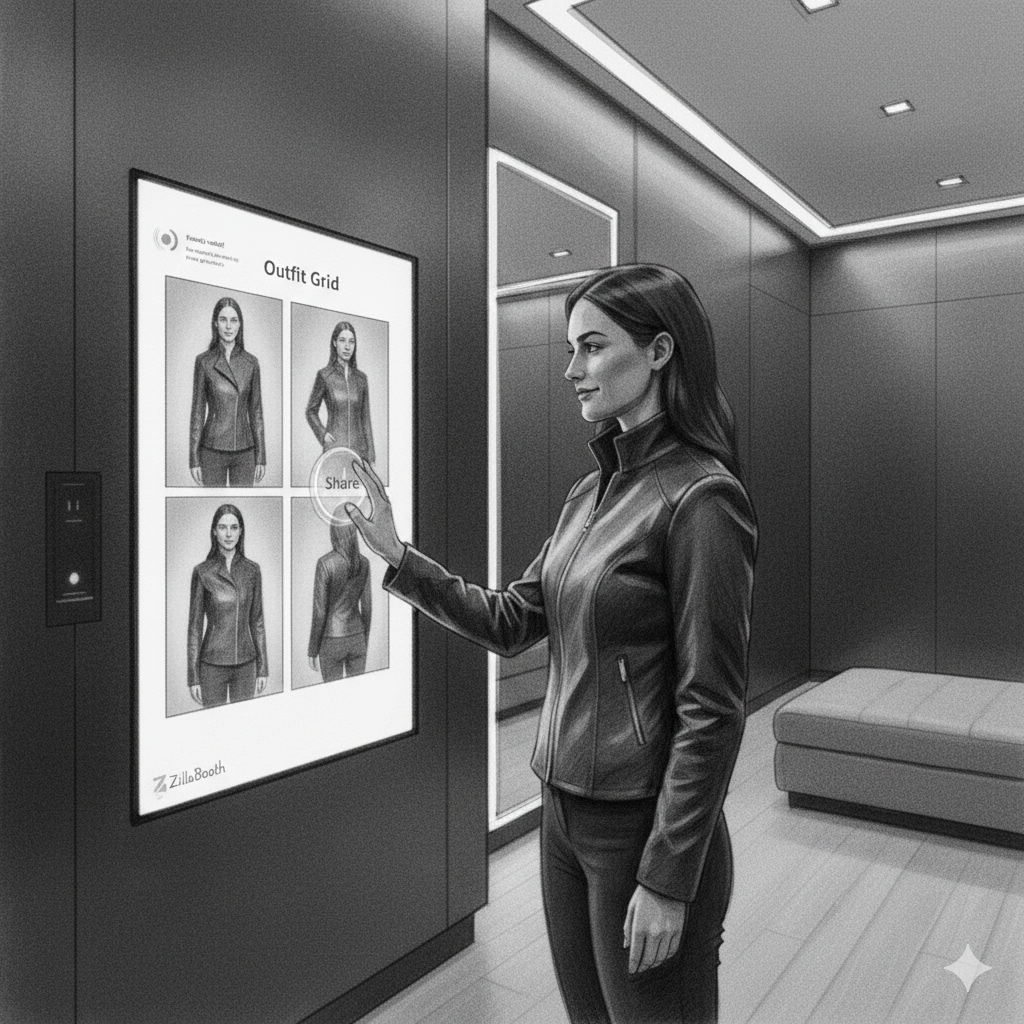
    When a customer steps into a changing room equipped with a ZillaBooth, they are greeted by a sleek, interactive screen…not a mirror, but a powerful, high-resolution camera and display system. Here is how the process…the “try-on journey”…unfolds, turning a moment of doubt into a moment of collective decision:1. Instant, Multi-Angle Capture: The customer simply presses a button. The ZillaBooth instantly captures their outfit from four different, professionally-lit angles (front, back, and two sides). This feature is key. A single mirror cannot show a customer how a coat hangs from the back or how a pair of jeans fits from the side without an awkward, impossible twist. The ZillaBooth provides objective reality and a truly comprehensive view. The lighting is optimized and consistent, removing the guesswork of “bad changing room lighting.”
    2. The “Outfit Grid”: All four images are instantly displayed on the screen in a clean, four-panel grid. The customer can review this image grid and, crucially, toggle between different outfits, comparing their potential purchases side-by-side. This visual comparison removes guesswork and allows for a clearer, direct evaluation of fit and style, making the decision-making process transparent and analytical.
    3. One-Tap Social Sharing: This is the ZillaBooth’s killer feature and the ultimate substitute for the clunky mirror selfie. With a single tap, the customer can securely send the four-image “Outfit Grid” directly to a pre-selected group of friends or family via text, WhatsApp, or the brand’s native app. The process is streamlined, private, and instantaneous. They don’t have to save a photo, leave the brand environment, find the contact, and write the message; it’s all handled within the Booth’s secure interface. This immediate, high-quality sharing capability transforms the solitary fitting room into a virtual group chat.
    4. Real-Time Feedback Loop: While the customer tries on their next option, their trusted advisors are already sending back votes, comments, and emojis. This near-instant feedback provides the customer with the social confidence they need while they are still standing in the store. Instead of being unsure, they are armed with peer approval, drastically increasing the likelihood of an immediate purchase. The result is a purchasing decision that is not just personal, but socially validated.The ROI for Retailers: From Friction to Flow

    For fashion brands, the ZillaBooth is more than a fun gadget; it is a critical tool for boosting conversion, reducing returns, and collecting invaluable data. It turns the fitting room from a sales bottleneck into a collaborative sales engine. * Increased Conversion Rates: When a shopper gets instant, positive reinforcement from their inner circle, they are far more likely to commit to the purchase. ZillaBooth integration has consistently shown a double-digit increase in fitting room-to-purchase conversion compared to non-equipped rooms. The system accelerates the decision, capturing the shopper’s initial excitement before “buyer’s remorse” or simple indecision can set in.
    * Reduced Returns: The primary reason for both online and in-store returns is poor fit or a mismatch between expectation and reality (i.e., “doesn’t look right”). Because the ZillaBooth provides objective, multi-angle views and integrates social approval before the purchase, the customer is far more certain of their decision. This increased purchase confidence directly translates into a lower return rate, saving the brand massive logistical, operational, and inventory management costs.
    * Invaluable Qualitative Data: Every Outfit Grid shared, every vote cast, every comment exchanged…this is pure, qualitative market research in a real-world scenario. Retailers can, with customer consent, anonymize and analyze this data to understand which specific fits, styles, and combinations are generating the highest levels of social approval. This feedback loop is exponentially faster and more authentic than any traditional focus group or post-purchase survey. It allows brands to rapidly fine-tune their inventory and marketing to align with validated customer desires.
    * Enhanced Brand Experience: Implementing the ZillaBooth signals to the consumer that the brand values their time, understands their modern need for social connection, and is committed to a seamless, modern shopping experience. It transforms a potentially stressful or frustrating chore into a fun, interactive, and high-tech moment, fostering loyalty and generating powerful word-of-mouth marketing that extends beyond the store’s four walls.The ZillaBooth is not just a device; it’s a strategy for bridging the gap between the in-store physical experience and the digitally-driven, socially-validated purchasing habits of the modern consumer. It ensures fashion retail can keep pace with the instant nature of modern decision-making, confirming that the future of the fitting room is clear, well-lit, and immediately shareable.

  • Classroom Chronicles: Photo Booths for Teachers

    Classroom Chronicles: Photo Booths for Teachers

    The secret to a dynamic and unforgettable classroom isn’t just in the lesson plan; sometimes, it’s in the unexpected moments of fun that fuse creativity with core learning objectives. For years, teachers have sought simple, high-impact ways to make their students the stars of their own educational journey. Enter the unsung hero of modern classroom engagement: the digital photo booth, specifically engineered for the unique environment of a school setting.

    For teachers juggling administrative tasks, grading, and the relentless need to keep lessons fresh, the idea of setting up a complex media station sounds like a burden. This is where ZillaBooth changes the game. Unlike professional, cumbersome photo applications, ZillaBooth was designed with a single, clear goal for educators: make it incredibly simple and robust enough for even the youngest learners to operate independently. The result is a powerful tool that transforms ordinary classroom moments…from the first bell of the year to complex student-led projects…into high-quality, instantly shareable memories and compelling educational artifacts.The Perfect Start and Finish: First and Last Day of School Memories

    Every academic year is a journey, and teachers are the first people their students meet on that path. The “First Day of School” photo is a treasured tradition, but managing thirty students, ensuring good lighting, and taking individual pictures can be a logistical headache.

    Using ZillaBooth simplifies this memory-making tradition down to a science. You don’t need a complicated DSLR setup or a student volunteer with a shaky hand. Teachers can set up an iPad or tablet running the ZillaBooth app on a simple stand in the corner of the classroom. The interface is dominated by a single, massive, clearly labeled button that says “Take Photo” or “Start.” This simplicity is key. A nervous kindergartner or a fidgety third-grader can walk up, select their digital or physical prop, and press the button without needing detailed instructions. The software handles the countdown, the flash (if needed), and the automatic saving of the image into a designated, secure folder.

    This setup isn’t just about speed; it’s about consistency and quality. The teacher can pre-set the background or template…perhaps a branded “Welcome to Third Grade!” frame…and every single picture taken will have the same polished, professional look. This uniformity is a dream for teachers creating class newsletters or Yearbooks. As the year progresses, the same easy process can be used for the “Last Day of School” photos, creating a stunning visual timeline that captures the growth and change in each student over nine months. Parents genuinely love this simple gift, and it requires virtually zero effort beyond the initial five-minute setup.Beyond Memories: Empowering Student-Led Projects

    The real educational power of ZillaBooth is unleashed when it moves from a teacher-operated tool to a student-driven creation station. The simplicity that makes it great for “First Day” photos is precisely what makes it an invaluable resource for student projects across all subjects and grade levels. When a tool is complex, students focus on mastering the tool; when it’s simple, they focus on the content.Digital Storytelling and Character Interviews

    Imagine a language arts class working on a unit about historical fiction. Instead of a standard book report, students are tasked with becoming a character from their novel. The ZillaBooth setup becomes their low-barrier recording studio. A student can put on a simple costume or hold a relevant prop, step into the frame, and, using the simple video recording mode, deliver a two-minute “interview” as the character. * The Problem: Traditional video recording involves confusing settings, long upload times, and complex editing software.
    * The ZillaBooth Solution: Students simply tap the “Video” mode, press “Start,” and the recording begins. The files are instantly and clearly saved. The lack of complex editing options is a feature, not a bug, as it forces students to focus on clear, concise presentation and improvisation, key public speaking skills.Making Social Studies Come Alive

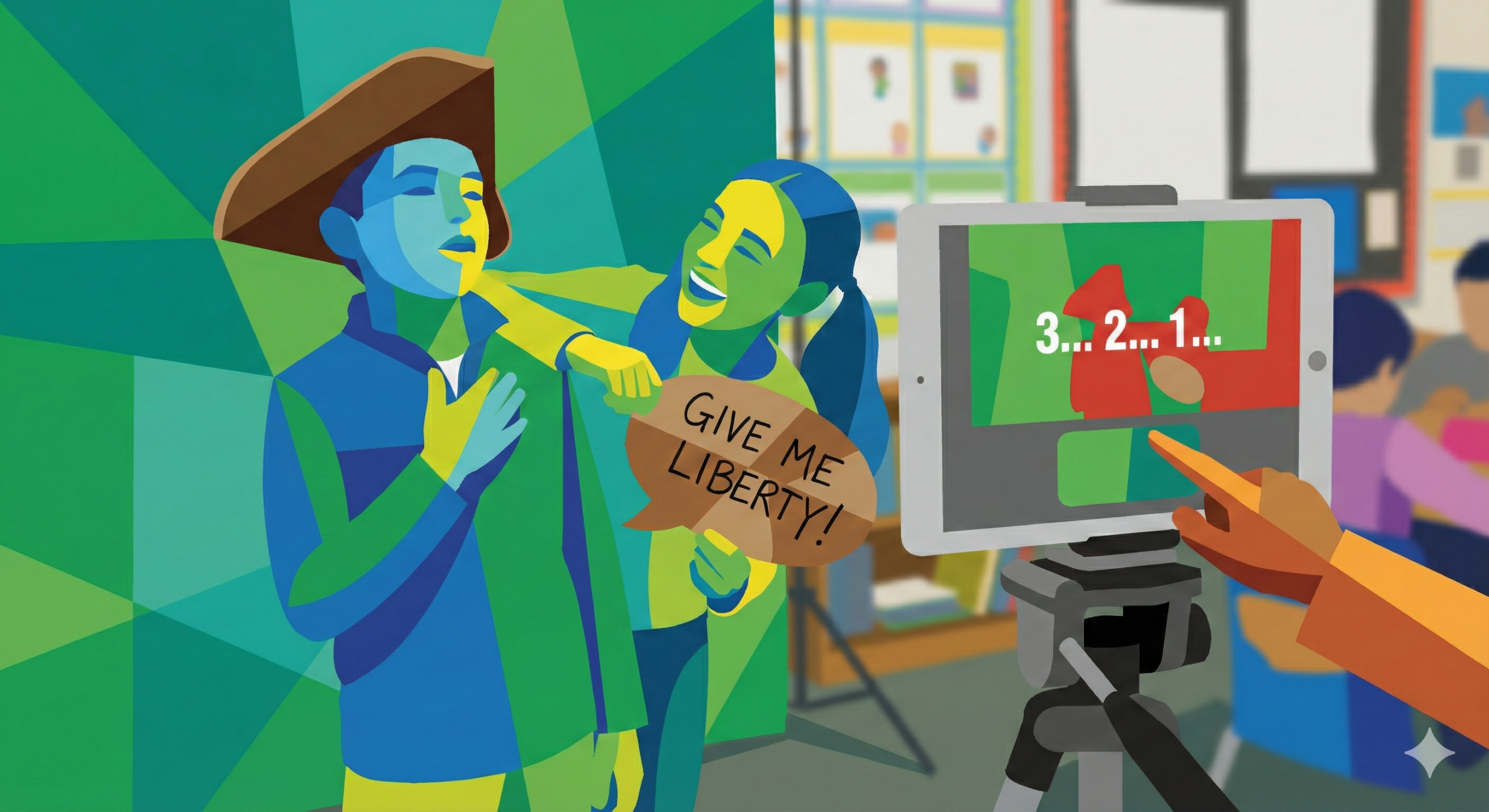
    History comes alive when students step into the shoes of the past. For a unit on the American Revolution, a group of fifth graders could use the booth to create a series of “Wanted” posters for historical figures. They take a high-contrast photo using a preset filter in ZillaBooth, print it out, and then hand-draw the historical context onto the printed image. For a high school class, students might use the video mode to create short, mock “news reports” from the front lines of a historical event, using a green screen backdrop (easily managed by the software) to superimpose a setting from the time period. The uncomplicated nature of the app ensures that the 18th-century powdered wig or the solemnity of the Gettysburg Address isn’t lost in a technical struggle.STEM and Visual Documentation

    Even in science and mathematics, ZillaBooth can be used for visual documentation. For a physics class working on a presentation about trajectory, the students can use the rapid-fire burst mode to capture a sequence of a projectile launch, using the resulting images for slow-motion analysis in their report. In a biology class, a student could record a time-lapse video of a plant growth project, using the device’s consistent framing to ensure the final product is clean and professional. The easy file management and instant saving mean less class time wasted on troubleshooting and more time spent on the actual learning.The Pedagogical Pillars: Why This Works

    The classroom photo booth is more than just a novelty; it is supported by sound educational principles.1. Increased Engagement and Ownership: When students are actively involved in the creation of media, their investment in the topic skyrockets. The chance to be physically “on camera” provides a powerful motivational hook. It turns passive information consumption into active, performative learning.
    2. Developing Digital and Presentation Literacy: In the modern economy, the ability to present information clearly and professionally is non-negotiable. ZillaBooth offers a safe, structured environment for students to practice these critical skills. They learn about framing, lighting (even simple phone flash use), and the importance of a clean final product without the intimidation of professional-grade software.
    3. Fostering Collaboration: Whether a group is staging a historical scene or designing a photo template, the booth becomes a hub of collaborative activity. Students must communicate, assign roles, give feedback, and work together to achieve a high-quality visual outcome, reinforcing teamwork skills.
    4. Accessibility and Equity: Traditional media projects can be hampered by access to high-end devices or software. Because ZillaBooth runs efficiently on standard, common school-provided tablets and smartphones, it levels the playing field. The simple interface also makes it accessible for students with diverse learning needs or those who struggle with fine motor skills required for more complex apps. The large buttons and clear visual feedback minimize frustration and maximize successful interaction.The Teacher’s Quick Setup Guide

    Getting your ZillaBooth station operational is designed to be a one-time setup that takes less than five minutes.

    1. The Hardware Base: You only need a stable tripod or stand for a tablet or phone and a secure power source. Positioning is everything: choose a corner with decent ambient light, though the app’s ability to force the flash means low light is not a barrier to quality.

    2. The Backdrop Strategy: Keep it simple. A seamless roll of colored paper (e.g., black or white) tacked to the wall works perfectly. Alternatively, for next-level projects, utilize the built-in green screen functionality by hanging a simple piece of green fabric. ZillaBooth handles the digital substitution effortlessly.

    3. The App Settings: Lock it Down: The teacher’s secret weapon is ZillaBooth’s ability to lock the interface. Once you set the mode (Photo, Video, or GIF) and select the desired template or filter, you can lock the screen so students can only see the main “Start” button. This prevents accidental setting changes and keeps the workflow focused and reliable, even through multiple class periods.

    4. Prop Organization: Physical props (silly hats, oversized glasses, speech bubbles on sticks) should be stored in a labeled bin next to the booth. For digital props, pre-load ZillaBooth with classroom-relevant overlays (e.g., graduation caps for a career day, molecule diagrams for a chemistry assignment).Next-Level Classroom Ideas| Grade Level | Core Subject | Project Idea | ZillaBooth Feature Used |
    | :————– | :————— | :——————————————————————————————————————————————————————————- | :——————————————— |
    | K-2 | ELA/Reading | The Book Reviewer: Students stand next to a printed book cover and give a short, one-sentence video review of the book they just read. | Simple Video Mode, Large Start Button |
    | 3-5 | Social Studies | Historical Figure Reenactment: Students dress as a famous explorer or pioneer and record a short video “diary entry” from their journey. | Background Green Screen, Video Countdown |
    | 6-8 | Science | Ecosystem Models: Students create a miniature ecosystem and use the Time-Lapse mode to show a week’s worth of change, then add the resulting clip to their presentation. | Time-Lapse Function, Auto-Save to Folder |
    | 9-12 | ELA/Art | Poetry or Theatrical Monologue: Students use the photo booth area to record a dramatic reading, experimenting with high-contrast Filters to match the mood of the text. | High-Resolution Photo, Manual Filter Selection |
    The modern classroom is a dynamic place that demands engaging tools capable of keeping pace with student curiosity and technological expectations. By integrating the simple, student-friendly power of ZillaBooth, teachers aren’t just adding a fun gadget to their room; they are fundamentally simplifying the process of high-quality memory creation and transforming the way students capture, create, and communicate their learning. The focus shifts from the complexity of technology to the unlimited potential of the student’s imagination. It’s time to move the desk out of the corner, set up a backdrop, and let the classroom chronicles begin.

  • Streetwear Drops: The Hype Beast Booth

    Streetwear Drops: The Hype Beast Booth

    The era of the perfectly curated, softly-lit product reveal is dead. In the world of high-end streetwear and limited-edition drops, authenticity is the ultimate currency, and nothing screams “real” and “right now” like a photograph that looks like it was yanked from a 2003 tabloid or a grainy disposable camera roll. This is the phenomenon of the ‘Hype Beast Booth,’ and it represents a profound pivot in how clothing brands are choosing to launch their most coveted items. It is a calculated embrace of the “Anti-Trend”…a raw, often unflattering, and aggressively honest visual aesthetic…that is fundamentally redefining the product launch party from a polished press event into a spontaneous, high-energy, and slightly chaotic cultural moment.

    For years, brands chased the unattainable perfection of the Instagram grid: soft natural light, meticulous color grading, and models posed just-so against minimalist backdrops. But perfection has become monotonous. In a digital landscape saturated with images that feel machine-made, the discerning consumer…the true hype beast…is craving grit. They want evidence that they were there, or that the product is so hot it literally broke the camera. This is where the direct flash, or “paparazzi aesthetic,” takes center stage. It’s a deliberate rejection of digital artifice, a visual statement that cuts through the noise of over-edited content.

    The appeal of this “Anti-Trend” aesthetic is rooted in two powerful cultural forces: deep nostalgia and a contemporary yearning for unvarnished reality.
    The Nostalgia Hook: It’s the visual language of the late 1990s and early 2000s, an era when the only cameras most people owned were cheap, plastic point-and-shoots with a notoriously unforgiving, front-facing flash. This non-diffused light source was a savage tool, casting deep, dramatic shadows, frequently blowing out skin tones, and creating bright, unmistakable highlights. When a brand adopts this look, they are tapping into a potent reservoir of cultural memory: grainy red-carpet photos, blurred club snaps, and the raw energy of celebrity street style before it was managed by stylists and publicists. It carries the weight of history and an implied narrative of secret, high-octane happenings.
    The Authenticity Craving: In the current digital climate…where AI photo-editing is ubiquitous and every image is suspect…the harshness of direct flash is a badge of honesty. It shouts, “This was taken right now with zero time for setup or adjustment.” It feels spontaneous and unposed, a deliberate contrast to the immaculate, sun-drenched images that have dominated feeds for the last decade. The deep shadows are part of the story, the blown-out fabric is a trophy of authenticity, and the intense focus on the subject creates an undeniable sense of drama. The aesthetic is the visual equivalent of a lo-fi track: imperfect, rebellious, and immediately evocative, making the event feel less like a brand activation and more like a document of real life unfolding.

    For a brand launching a new collection…especially in the streetwear and sneaker space where product scarcity and urgency drive demand…the ‘Hype Beast Booth’ serves a dual purpose. First, it acts as a high-impact, in-event engagement tool. Second, and more importantly, it generates a torrent of raw, brand-aligned User Generated Content (UGC) that effortlessly circulates online.

    The Flash Aesthetic as a Marketing Weapon:
    Creating Controlled Chaos: The core mechanism of the Hype Beast Booth is the forced flash. Brands set up photo areas…not a traditional step-and-repeat with soft box lighting…but a compact, often dark, space designed to replicate a chaotic, paparazzi-style ambush. The setup uses a camera or phone rigged with an app that forces the flash to fire at maximum intensity for every shot, even in a moderately lit environment. The goal is to aggressively overpower the ambient light, resulting in signature deep, black shadows and the dramatic, stark illumination of the subject.
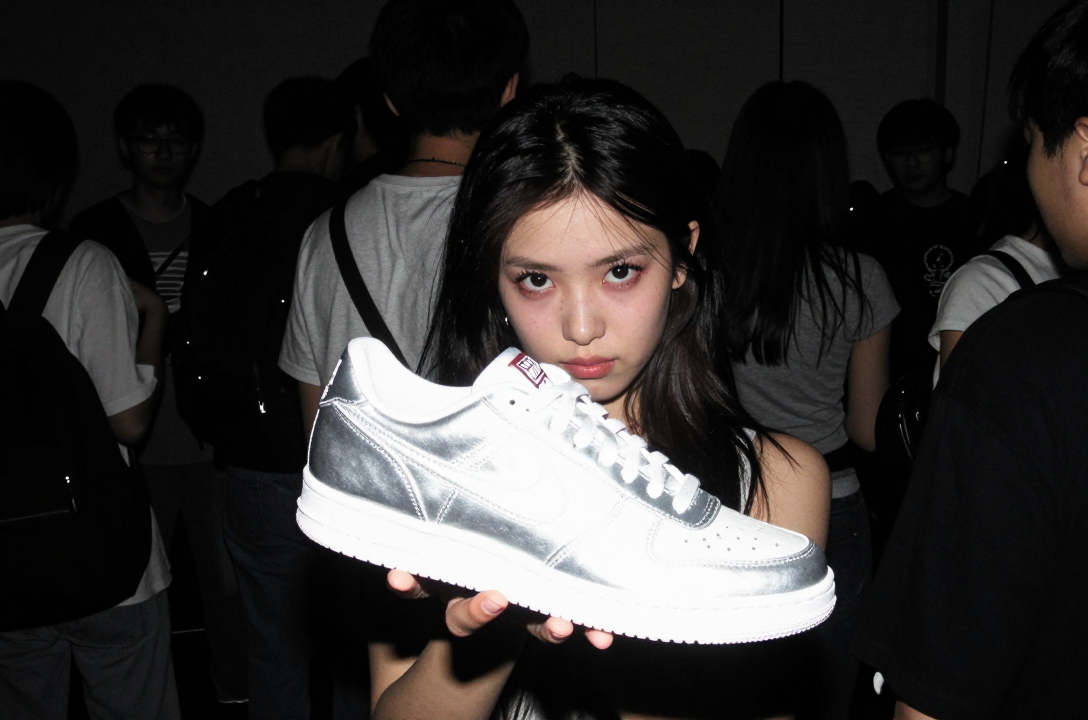
    Highlighting the Product as a Star: Direct flash is unforgiving, but that is its true strength in a product launch scenario. It aggressively magnifies texture. Brands encourage attendees to shoot the pieces…a new jacket, a rare sneaker, or a vinyl logo…under the booth’s harsh light. This light will bounce off specific materials like sequins, metallic finishes, heavy glitter, or high-gloss leather, creating an explosive, dynamic effect. It’s an almost cinematic spotlight, ensuring the product itself is razor-sharp and dramatically rendered, elevating the drama and making the texture of the garment the focal point of the image. The product is not just seen; it is spotlit and examined.
    The ‘Caught in the Act’ Effect: The close proximity of the subject to the camera is key. Due to the inverse square law of light, the light from the small, harsh flash falls off rapidly. This means the model or attendee wearing the product is brilliantly illuminated while everything a few feet behind them dissolves into a deep shadow. This enhances the “spotlight” or “caught in the act” effect, isolating the subject and reinforcing the idea of a high-energy, secretive moment. When this image hits social media, it doesn’t look like a staged promo photo; it looks like a genuine, high-value moment captured in a secretive club or late-night street encounter.

    Implementing the ‘Hype Beast Booth’: A Brand’s Toolkit
    Beyond the basic forced flash, successful implementation of the Hype Beast Booth requires a series of deliberate, “Anti-Trend” decisions that maximize the raw effect:1. Embrace the Red Eye and Imperfection: In conventional product photography, red-eye is a flaw to be corrected. In the “paparazzi aesthetic,” it is a feature. It adds to the raw, uncontrolled, and nostalgic feel of a genuinely spontaneous late-night flash photo. Brands should explicitly instruct their event photographers or the booth software not to correct this. This deliberate inclusion of technical “flaws” reinforces the authenticity narrative.
    2. Strategic Underexposure: Even with the flash firing, savvy brands slightly underexpose the shot using manual camera controls. This makes the shadows even deeper and the highlights of the flash pop even more aggressively. It creates a hyper-contrast that reinforces the “spotlight” effect and gives the final image the aggressive, saturated look of a cheap 2000s-era digital camera.
    3. Use Flash in Broad Daylight: The ultimate power move for this aesthetic is to not reserve the flash for dark party environments. For the most aggressively contrasting and fashion-forward look, the forced flash is used during the day or under bright overhead venue lights. This technique creates a surreal, hyper-real look where the ambient light and the flash compete, resulting in ultra-deep black shadows and perfectly lit faces. It’s a signature editorial fashion style that gives the image a sense of heightened, almost unnerving reality. This is particularly effective for outdoor or brightly-lit daytime drops.
    4. Black and White Conversion as an Afterthought: While shooting in color, many brands find that the high-contrast black and white conversion afterward is highly impactful. The harsh tonal separation created by the direct flash translates beautifully into dramatic monochrome, mimicking the look of classic tabloid photography that had to be printed quickly and cheaply in print media. This gives the content a journalistic, historical feel.The resulting content is a powerful driver of hype. When an attendee posts a ‘Hype Beast Booth’ photo, they are not just sharing an image; they are sharing a piece of perceived, unadulterated reality. The brand is essentially crowdsourcing the raw documentation of its own success. This unfiltered UGC holds more weight and trust with the community than any polished studio campaign could. It’s a rebellion against the carefully manicured, a statement in favor of the real, the raw, and the dramatically lit.

    In essence, the ‘Hype Beast Booth’ strategy is a masterclass in leveraging visual imperfection for maximum cultural impact. It’s a calculated decision to step away from the polished grid and embrace a visual language that feels spontaneous, rebellious, and immediately evocative. It is not about taking better photos in the traditional, technically perfect sense; it’s about taking photos with more personality and more story. For streetwear brands, which thrive on an image of exclusivity and authentic street credibility, this visual aesthetic is perfectly right on time. By manually forcing the flash and creating a purposefully harsh environment, brands are capturing a mood, a moment, and a potent hit of digital nostalgia that feels utterly real, cementing the product drop not just as a release, but as an underground, unforgettable experience. The future of hype is unfiltered, and it’s lit by a tiny, aggressive flash.