

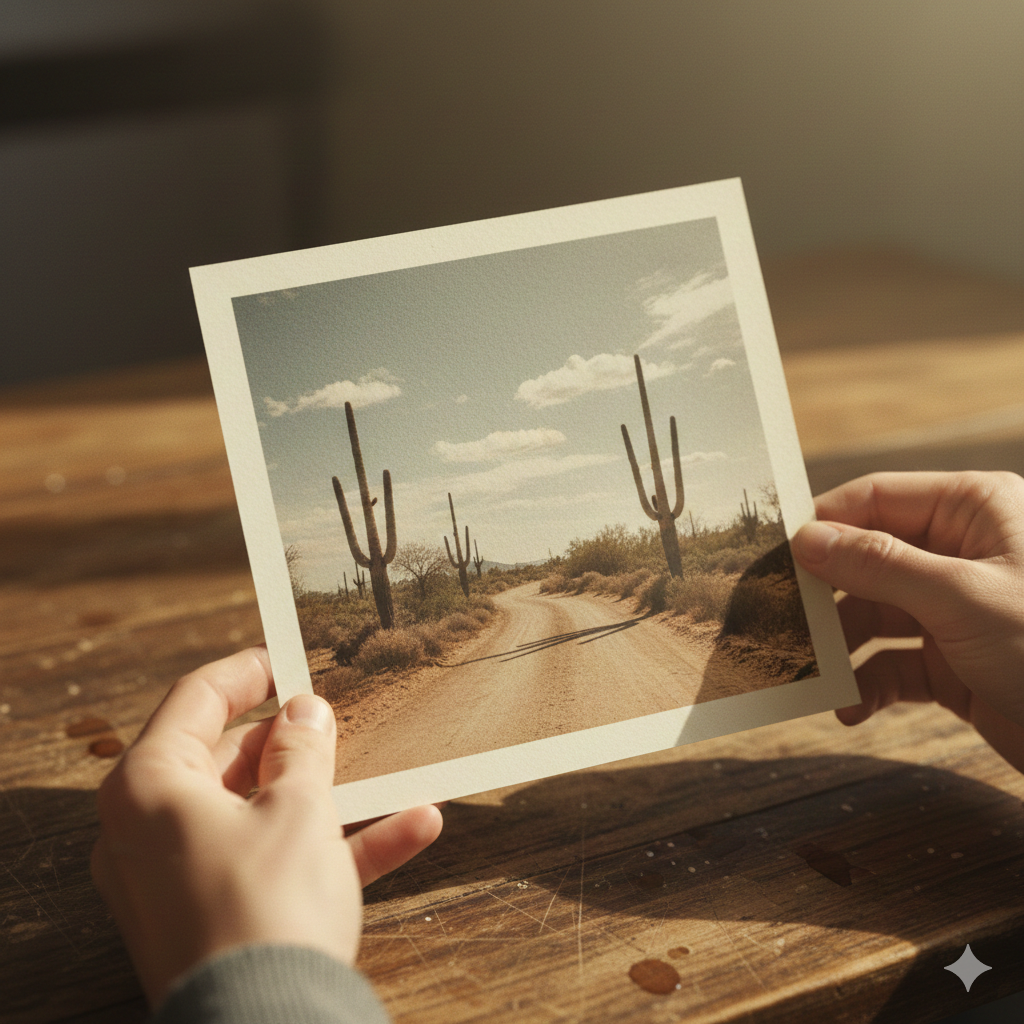
The modern paradox of photography is that in the age of endless images, we feel we have fewer actual photos. Our camera rolls overflow with tens of thousands of digital captures…perfectly exposed, flawlessly focused, and immediately shareable…yet they often feel weightless, ephemeral, and ultimately, disposable. We are drowning in JPEGs, but starving for keepsakes. This deep, persistent craving for something tangible…something we can hold, put in a frame, or slip into a wallet…is what fuels the powerful trend of returning to physical prints. It is not merely a retro fad; it is a profound psychological need for permanence and tactile connection in a world that has become overwhelmingly screen-based and transient. The solution is not to abandon digital, but to master the hybrid workflow: utilizing the speed and quality of modern digital tools, like ZillaBooth, and completing the experience by transforming those digital captures into timeless, analog-feeling prints. This approach gives us the best of both worlds, turning fleeting data into cherished objects.
The Haptic and Emotional Superiority of Print
Why does a print feel so much more significant than its digital twin? The answer lies in psychology and the human need for ritual and permanence. Firstly, a physical photograph demands a ritual. To print an image, one must intentionally select it from the digital multitude, a process of curation that elevates its value. Unlike endlessly scrolling through a camera roll where every image is equally available and therefore equally insignificant, the act of printing grants the chosen photograph a ceremonial status. It signifies: “This image matters. This moment is worthy of permanence.” Once printed, the image becomes a fixed, non-editable piece of history. A digital file is endlessly changeable, existing in a state of potential revision; a print is final, a concrete testament to a specific moment in time. This finality lends it a greater emotional weight.
Secondly, the superiority of the print is fundamentally haptic, or related to the sense of touch. We experience digital images through cold glass and light. We experience a print through touch, smell, and substance. The texture of matte paper versus glossy; the slightly frayed corner from being handled; the weight of the cardstock…these physical properties engage our senses in a way a digital file simply cannot. The print possesses what the great photographer Henri Cartier-Bresson called “the feeling of a scrap of paper.” It accrues history through wear and tear. A crease is a memory of a child’s hand; a faded edge is the mark of time. When we hold a print, we are activating a different kind of memory…one tied to the physical world, making the recollection richer and more multi-sensory. This is the core of the analog craving: a desire for substance over simulation.
The Great Digital Devaluation
Our current digital photo ecosystem, for all its convenience, has a significant flaw: it promotes devaluation through abundance. We take thousands of photos without thought because storage is cheap and deleting them is optional. This sheer volume creates a paralyzing effect…the “digital archive paralysis”…where the most important images are lost in the noise of the mediocre ones. They exist in a perpetual digital purgatory, never truly seen, enjoyed, or shared in a meaningful way. Moreover, digital photos exist under the threat of technological obsolescence. File formats change, cloud services shut down, hard drives fail. The very ease with which they are stored makes them vulnerable to being forgotten, or worse, lost forever in an unreadable format years from now. The printed photograph, conversely, is immediately accessible without electricity, software, or passwords. Its technology is paper, ink, and light…a universally readable format that has survived for centuries.
The ZillaBooth Hybrid Solution: Analog Feel, Digital Power
The modern photographer doesn’t have to choose between the convenience of digital and the soul of analog. The hybrid workflow is the elegant compromise that captures the best features of both. This is where a dedicated professional camera system or application like ZillaBooth comes into its own. The power of ZillaBooth lies in its ability to offer granular control and high-quality capture, which is essential for a great final print, while maintaining the speed and ease of a digital device.
The process is simple, yet transformative, and is built on intentionality at every stage:1. Capture with Digital Precision: Use the ZillaBooth application to take your photos. The advantage here is the immediate feedback, the high-resolution sensor, and the ability to take multiple shots quickly without the cost of film. ZillaBooth’s advanced controls allow you to fine-tune exposure, color temperature, and even apply specific grain or color-shift filters at the point of capture that are specifically designed to emulate classic film stocks, providing the “analog feel” from the start. By controlling the camera’s raw output, you ensure the image has the necessary depth and quality to withstand the printing process, unlike quick snaps taken with an auto setting. This attention to detail in the capture phase ensures the final print is not just a high-quality reproduction, but an image with rich tonal information.
- The Curation Stage: This is the critical step that restores value. Instead of printing everything, you must curate. Scrolling through the ZillaBooth gallery, the user is forced to select only the top 1%…the images that genuinely resonate. This digital culling process is the modern equivalent of choosing which roll of film to develop. It reintroduces the scarcity that gives a photograph worth. This curation should be done with a physical eye, asking: “Does this look good as a print? Will I want to handle this in ten years?” The act of deletion and selection sharpens your photographic eye and fundamentally changes your relationship with the images that remain.
- Preparation for Print (The Analogization): Before sending the digital file to a printer, ZillaBooth or a related professional editing suite is used for the final analog-style treatment. This involves several key steps to break the clean, sterile aesthetic of pure digital: * Aspect Ratio and Border: Cropping the image to a classic print size (e.g., a square 1:1 or a rectangular 4:3) and applying a digital border, often with a white or sepia tone, instantly frames the image like a traditional print. This border separates the image from the digital canvas and gives the eye a resting place, focusing attention inward.
- Tonal Adjustments: Digital vibrancy is often too clean. The image should be slightly softened, with contrast gently lowered, and a subtle color cast (like a mild sepia or a pale yellow) introduced to simulate the chemical aging process of film. Film, particularly older film, has a distinct color bias, and mimicking this bias adds a layer of authentic nostalgia. This is often achieved by adjusting the white balance or using color grading tools to lift the blacks slightly, preventing true digital black.
- Grain Application: A subtle but intentional layer of digital film grain is applied. This adds texture and breaks up the unnatural perfection of high-resolution digital capture, lending it the characteristic roughness and organic structure of an analog image. This grain is the texture of film, and its presence psychologically signals “old school” to the viewer.4. The Final Print: The choice of print medium is as important as the original capture. To achieve the “analog feel,” avoid standard inkjet photo paper. Instead, opt for specialty papers: * Matte and Cotton Rag Papers: These absorb light rather than reflecting it, giving the image a soft, luxurious, and non-reflective quality that feels much older and more substantial than glossy paper. The fibers in the paper interact with the ink to create an organic texture that mimics the subtle irregularities of a darkroom print.
- Fuji Crystal Archive or Luster Finish: For a more traditional photographic feel, these professional papers are ideal. They offer a semi-glossy surface that is less reflective than true gloss, and their chemical composition helps colors pop in a way that recalls traditional photo lab processing.When a high-quality ZillaBooth digital file is printed on a textured matte paper, the transformation is complete. The digital grain integrates seamlessly into the paper’s texture, the intentional color shift warms the image, and the final result is a physical artifact that carries the emotional resonance of a film photograph, but with the technical sharpness and clarity afforded by a 21st-century digital camera.
More Than Just Paper: The Power of Context
The true victory of the physical print is not just its texture, but its context. A digital photo lives on a phone, competing with emails, social media feeds, and news alerts. A printed photo, however, has a dedicated space in the real world. It is pinned to a refrigerator, tucked into a journal, or displayed on a desk. This context forces interaction in a way a digital photo never can.
The refrigerator magnet photo isn’t just looked at; it’s seen every day while grabbing a coffee. The wallet photo isn’t merely a file; it’s a tiny, worn talisman of a loved one that is handled and felt. The physical print creates a continuous, low-level emotional connection to the memory that its digital counterpart, locked away behind a passcode, cannot replicate. It is the final, ultimate form of the image…a permanent fixture in our lives, not just an entry in a database.
Ultimately, the craving for physical prints in a digital world is a yearning for substance, ritual, and a tangible connection to our personal history. The hybrid workflow…from ZillaBooth’s digital precision to a deliberately chosen, analog-styled print…is the modern photographer’s way of satisfying this deep-seated need. We capture the moment with the speed of light, but we preserve it with the timeless gravity of paper. We use technology to make the photo, but we use the ritual of printing to make it matter. Stop hoarding JPEGs; start collecting memories. Embrace the power of the printed photograph. It is the only true keepsake in the digital age.